
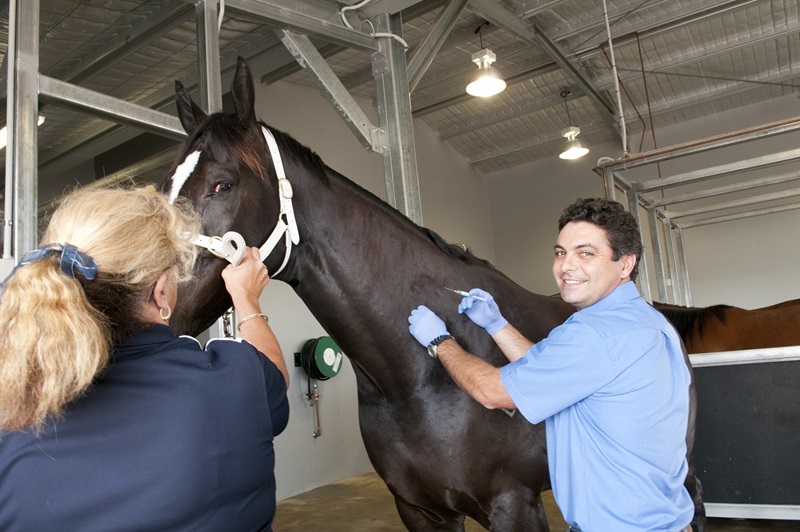
Vaccine arrives to boost the frontline fight against Hendra virus
Commonwealth Scientific and Industrial Research Organisation (CSIRO) Oceans and Atmosphere
Published: 1 November 2012
Australia launches Equivac® HeV, the first horse vaccine against deadly Hendra virus. Developed by CSIRO, Pfizer, and US partners, it protects horses and reduces human infection risks, marking a major biosecurity milestone.
Keywords: Hendra virus, Equivac HeV, horse vaccine, CSIRO, Pfizer, biosecurity, Australia
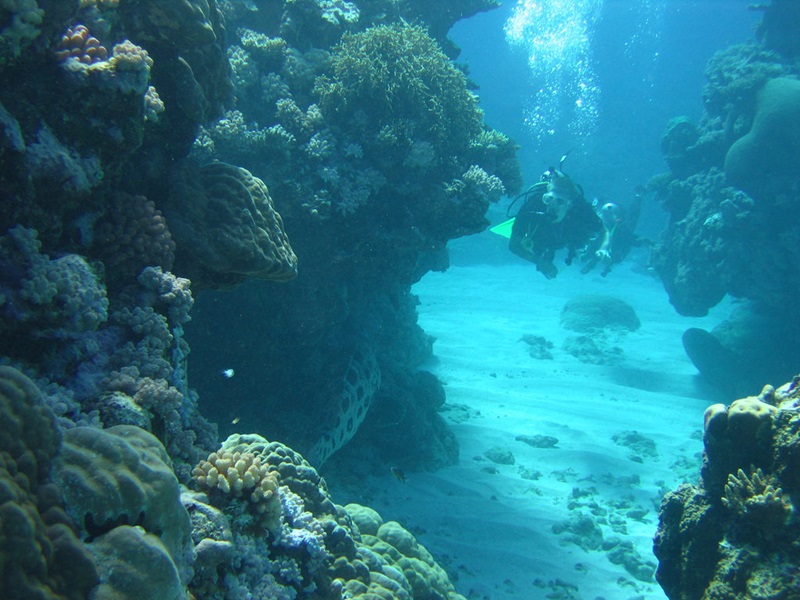
The Great Barrier Reef faces a mixed future in acidifying oceans
Commonwealth Scientific and Industrial Research Organisation (CSIRO) Oceans and Atmosphere
Published: 10 March 2016
The Great Barrier Reef faces rising threats from ocean acidification, reducing corals’ ability to build skeletons. CSIRO mapping shows varying pH impacts across 3,581 reefs, guiding tailored conservation strategies beyond emission cuts.
Keywords: Great Barrier Reef, ocean acidification, coral skeletons, CSIRO, conservation, climate change
Coral reef science enters the space age
Commonwealth Scientific and Industrial Research Organisation (CSIRO) Oceans and Atmosphere
Published: 17 March 2016
NASA and CSIRO launch the CORAL mission using PRISM imaging to map coral reefs, including the Great Barrier Reef. The project will advance reef health monitoring, guide conservation, and pave the way for future satellite-based assessments.
Keywords: CORAL mission, NASA, CSIRO, Great Barrier Reef, PRISM, coral health, reef monitoring
