👉 Biological oceanography explores how life in the ocean functions, interacts, and shapes the planet. Here, the foundational ideas that explain the structure, diversity, and productivity of marine life are covered.
What Is Marine Life?
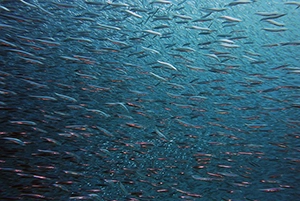
Marine life includes all organisms living in the ocean, ranging from microscopic bacteria to the largest whales. These diverse organisms form complex communities that drive global biogeochemical cycles, regulate climate, and sustain human societies.
Key Groups of Marine Organisms:
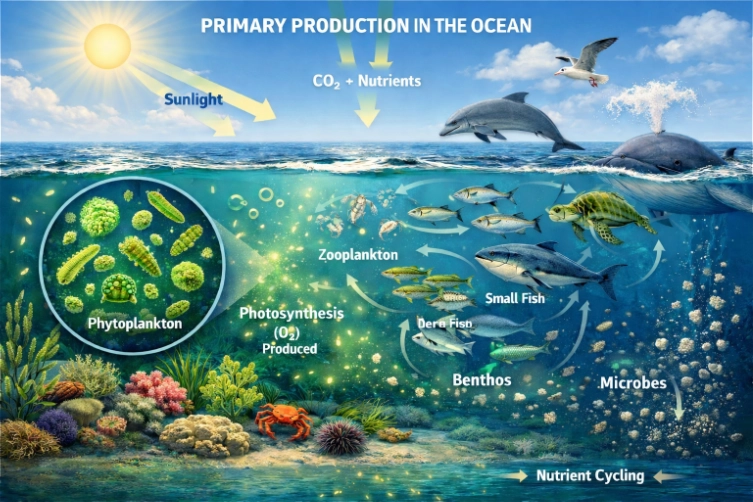
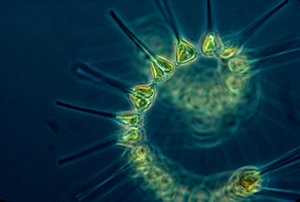
- Phytoplankton – tiny plants and algae that perform photosynthesis, forming the base of the marine food web. For example, diatoms and coccolithophores contribute significantly to oceanic oxygen production.
- Zooplankton – small drifting animals and larvae, such as copepods and krill, which feed on phytoplankton and serve as food for larger animals.
- Nekton – active swimmers including fish like tuna, squid, and marine mammals such as dolphins and whales.
- Benthos – organisms living on or within the seafloor, including crabs, sea stars, and tube worms.
- Microbes – bacteria and archaea that perform essential chemical transformations, such as nitrogen fixation and decomposition, supporting nutrient cycling.
🦑 Fun Fact
Microbes are the unseen engines of the ocean.
Their functions include:
Microbes are the unseen engines of the ocean.
Their functions include:
- Decompose organic matter.
- Drive nutrient cycles (carbon, nitrogen, sulfur).
- Support food webs through microbial loops.
Primary Productivity
Primary productivity refers to the creation of organic material from sunlight and nutrients. In the ocean, this is dominated by phytoplankton.
Why It Matters
- Forms the base of the marine food web.
- Produces roughly half of Earth's oxygen.
- Regulates carbon dioxide through photosynthesis.
Factors Influencing Productivity
- Light availability – varies with depth, season, and latitude.
- Nutrient supply – nitrogen, phosphorus, iron, and silica.
- Water movement – upwelling and mixing bring nutrients to the surface.
Marine Food Webs
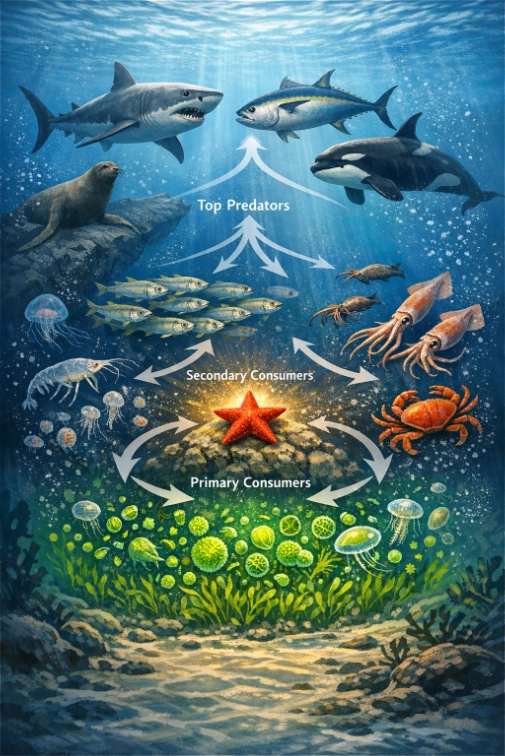
Marine food webs describe how energy and nutrients move through ocean ecosystems.
Trophic Levels
- Primary producers – phytoplankton.
- Primary consumers – zooplankton.
- Secondary consumers – small fish and invertebrates.
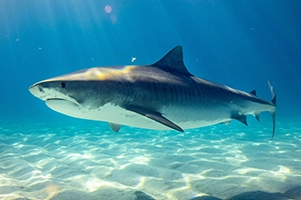
- Top predators – sharks, tuna, marine mammals.
Key Concepts
- Energy transfer is inefficient; only a fraction moves to the next level.
- Food webs are complex and interconnected rather than linear.
- Keystone species can disproportionately shape ecosystems.
Biodiversity in the Ocean
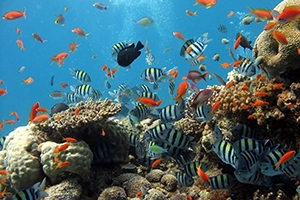
The ocean hosts an extraordinary range of species and habitats.
Drivers of Marine Biodiversity
- Environmental gradients such as temperature, salinity, and pressure.
- Habitat variety from coral reefs to deep-sea trenches.
- Evolutionary adaptations that allow survival in extreme conditions.
Importance of Biodiversity
- Enhances ecosystem resilience.
- Supports fisheries and global food security.
- Contributes to climate regulation and nutrient cycling.
The Ocean as a Living System
Biological oceanography reveals the ocean as a dynamic, interconnected system where life, chemistry, and physics interact.
- Life in the ocean is shaped by environmental conditions.
- Marine organisms influence global climate and biogeochemical cycles.
- Understanding core concepts helps explain broader ocean processes.
🦈 Marine Ecosystems and Habitats
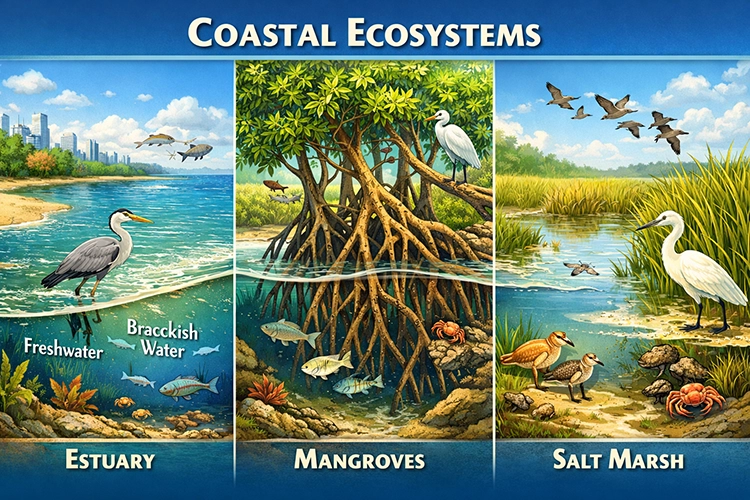
Coastal Ecosystems
Coastal zones are among the most productive and diverse marine habitats.
- Estuaries — Where freshwater meets saltwater, estuaries support nurseries for fish and filter nutrients and pollutants.
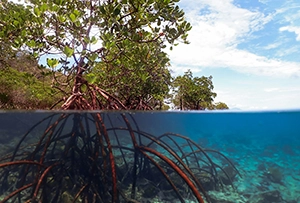
- Mangroves — Salt-tolerant trees with complex root systems that stabilize coastlines and shelter juvenile marine life.
- Salt Marshes — Grassy wetlands that buffer storm surges and host migratory birds and invertebrates.
Open Ocean and Pelagic Zones
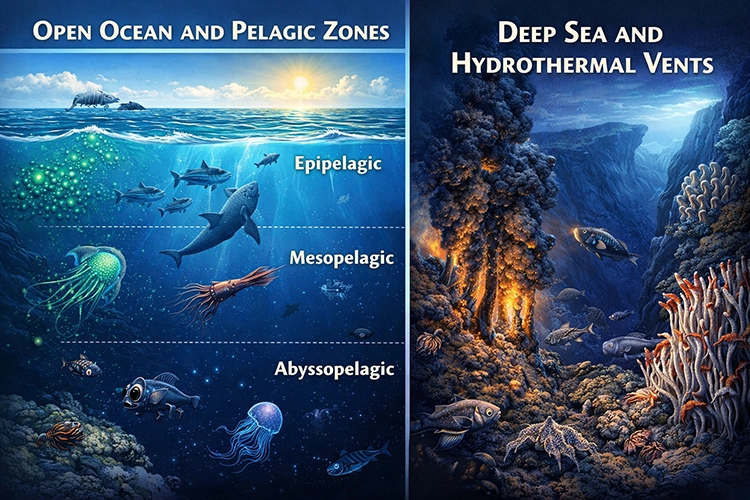
The open ocean is vast and layered, with life adapted to different depths.
- Epipelagic zone — Sunlit surface waters where phytoplankton thrive and support fish, squid, and marine mammals.
- Mesopelagic to abyssopelagic zones — Deeper layers with limited light, home to bioluminescent organisms and vertical migrators.
- Vertical stratification influences nutrient cycling, oxygen levels, and species distribution.
Deep Sea and Hydrothermal Vents
Extreme environments host unique life forms.
- Hydrothermal vents — Superheated, mineral-rich water supports chemosynthetic bacteria that form the base of vent food webs.
- Deep-sea trenches and plains — High-pressure, low-temperature habitats with slow-growing, long-lived species like tube worms and deep-sea corals.
- Adaptations include pressure-resistant enzymes, slow metabolism, and symbiosis with microbes.
🌍 Human Impacts and Conservation
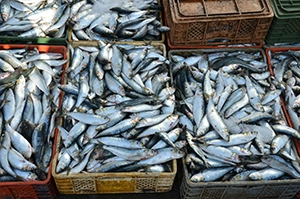
Overfishing and Bycatch
Unsustainable fishing practices disrupt marine food webs.
- Targeted removal of top predators alters trophic balance.
- Bycatch — the unintended capture of non-target species — threatens turtles, seabirds, and juvenile fish.
- Solutions include gear modifications, catch limits, and ecosystem-based management.
Pollution and Eutrophication
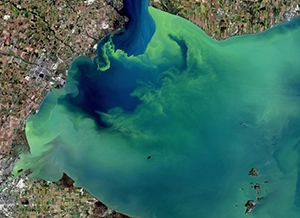
Human waste and runoff degrade water quality.
- Microplastics accumulate in food chains, affecting digestion and reproduction.
- Oil spills smother habitats and poison marine life.
- Nutrient runoff from agriculture causes algal blooms, leading to oxygen-depleted dead zones.
Climate Change
Global warming reshapes marine ecosystems.
- Ocean acidification reduces shell formation in corals and mollusks.
- Rising temperatures shift species ranges and disrupt breeding cycles.
- Sea level rise threatens coastal habitats and increases salinity in estuaries.
Marine Protected Areas (MPAs)
MPAs safeguard biodiversity and support recovery.
- Designated zones restrict human activity to allow ecosystems to regenerate.
- Benefits include increased biomass, habitat preservation, and spillover effects that boost nearby fisheries.
- Effective MPAs are based on science, enforcement, and community involvement.