
15Jan
Top 10 Peer-Reviewed Journals Every Ocean Scientist Should Follow
As an ocean scientist, staying updated with the latest research is crucial for success in your field. The ocean is vast, complex, and ever-changing, making it essential to follow peer-reviewed journals that focus on the latest advancements in marine science, oceanography, and environmental research. Peer-reviewed journals are where scientific knowledge evolves, and they provide trusted, high-quality resources for anyone involved in ocean science.
In this article, we’ll explore the top 10 peer-reviewed journals that every ocean scientist should follow to stay informed, improve their research, and contribute to the ongoing development of ocean science.
Introduction to Ocean Science Research
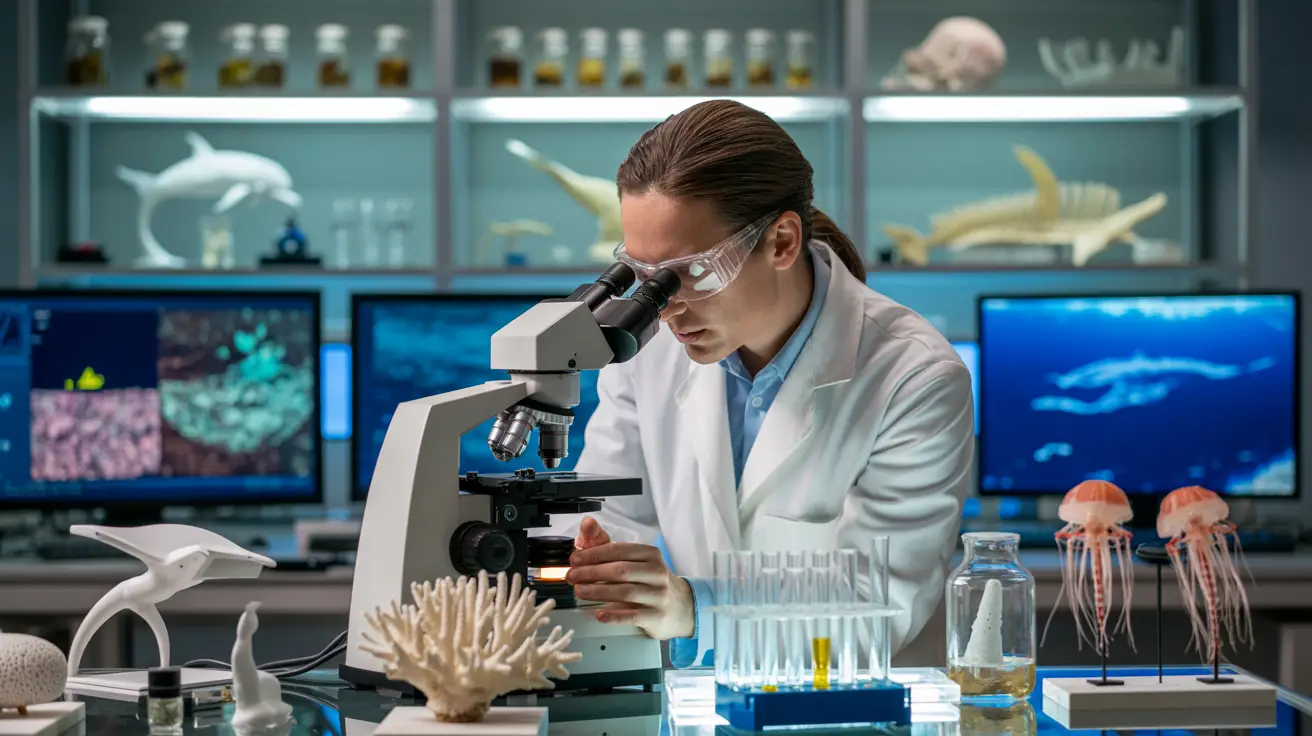
Ocean science is a vast field that covers everything from marine biology and oceanography to climate change and pollution. The importance of keeping up with ocean science research cannot be overstated. Peer-reviewed journals serve as the cornerstone of scientific progress in this field. They provide ocean scientists with credible, up-to-date information that can drive research, inspire new studies, and improve our understanding of the oceans.
The Importance of Peer-Reviewed Journals in Ocean Science
Peer-reviewed journals are essential because they ensure that research is accurate, reliable, and trustworthy. Before an article is published, it undergoes a rigorous review by experts in the field who assess the quality of the methodology, data, and conclusions. This process helps weed out false information and ensures that only credible studies are made available to the scientific community.
For ocean scientists, peer-reviewed journals offer the latest insights into ocean ecosystems, marine life, climate change, and conservation efforts. They keep researchers, policymakers, and environmentalists on the same page, enabling them to make data-driven decisions for ocean protection and management.
How Peer-Reviewed Journals Contribute to Marine Science
By publishing groundbreaking studies, peer-reviewed journals drive the future of marine science. They allow scientists to share new discoveries, test theories, and engage in conversations that shape the direction of the field. These journals often feature a mix of fundamental and applied research, bridging the gap between theoretical understanding and practical solutions for ocean conservation.
Criteria for Choosing the Best Ocean Science Journals

Selecting the right journals to follow is essential for any ocean scientist. With so many journals out there, how do you know which ones are the best? The following criteria will help you evaluate and choose the most impactful journals.
Impact Factor and Research Quality
One of the first things to consider when selecting a journal is its impact factor. This metric measures the frequency with which articles in a journal are cited over a specified period. A high impact factor often indicates that the journal publishes high-quality, influential research.
Ocean science journals with a higher impact factor are likely to provide the most relevant and cutting-edge research in the field.
Scope and Relevance to Marine Science
The scope of the journal is crucial for ensuring that its research aligns with your interests. Some journals focus on very specific aspects of ocean science, while others provide a broader overview. For ocean scientists, it’s important to choose journals that cover the topics you are most interested in, whether it’s marine biology, oceanography, or climate change.
Frequency of Publication
Journals with regular publication schedules, whether monthly or quarterly, provide up-to-date research. Frequent publications allow you to stay current with the latest developments in ocean science, helping you remain at the forefront of the field.
Top 10 Peer-Reviewed Journals Ocean Scientists Should Follow
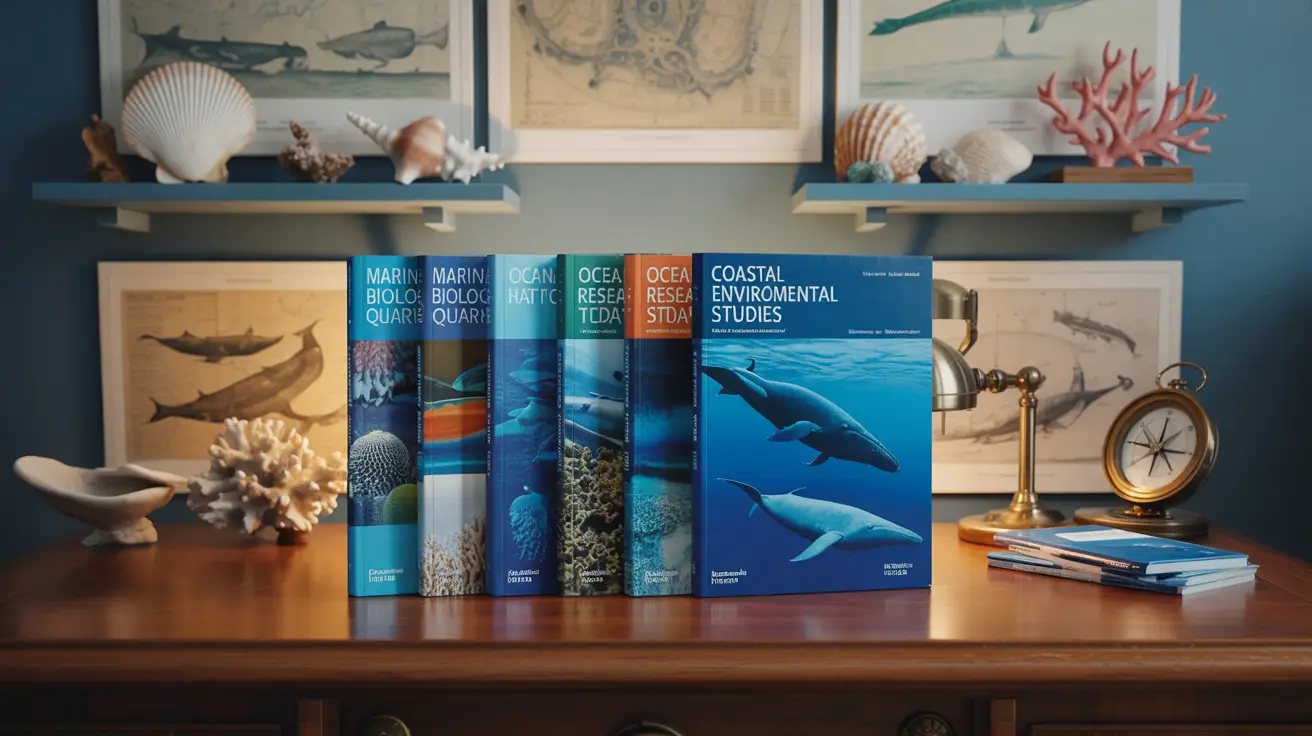
Now, let’s dive into the top 10 peer-reviewed journals that are essential for ocean scientists. These journals provide the latest research on ocean science, marine life, and environmental changes.
1. Journal of Marine Systems
Overview and Focus Areas
The Journal of Marine Systems focuses on the physical, chemical, and biological aspects of marine systems. It covers topics such as ocean circulation, marine ecosystems, and the impact of human activities on the marine environment.
Why Ocean Scientists Should Follow
This journal is crucial for anyone researching the dynamics of marine systems and ecosystems. It provides in-depth articles that can inform both basic and applied ocean science.
2. Marine Pollution Bulletin
Overview and Focus Areas
The Marine Pollution Bulletin publishes research on the effects of pollution on marine environments. It covers topics like toxicology, ocean dumping, and the impact of pollutants on marine life.
Why Ocean Scientists Should Follow
This journal is a must-read for scientists interested in understanding and combating marine pollution. It offers vital research for environmentalists and policymakers working to protect the oceans.
3. Oceanography
Overview and Focus Areas
Oceanography covers a wide range of topics related to the science of oceans, from marine biology to ocean chemistry. It’s one of the most respected journals in the field, known for its comprehensive and interdisciplinary approach.
Why Ocean Scientists Should Follow
This journal is ideal for ocean scientists who want to stay updated on all aspects of ocean research, including cutting-edge technological advances and climate change.
4. Deep-Sea Research Part I
Overview and Focus Areas
The journal Deep-Sea Research Part I focuses on physical, chemical, and biological oceanography of the deep ocean. It explores topics like deep-sea ecology, underwater exploration, and oceanic processes.
Why Ocean Scientists Should Follow
For those interested in exploring the deep ocean, this journal is indispensable. It provides vital research on underwater ecosystems, marine life, and the unique conditions of deep-sea environments.
5. Estuarine, Coastal, and Shelf Science
Overview and Focus Areas
This journal publishes research on the dynamics of estuaries, coasts, and shelf seas. It covers topics such as hydrodynamics, nutrient cycling, and coastal ecosystem management.
Why Ocean Scientists Should Follow
This journal is essential for scientists focusing on the crucial interface between land and ocean. It provides valuable research for coastal zone management and marine conservation.
6. Journal of Experimental Marine Biology and Ecology
Overview and Focus Areas
The Journal of Experimental Marine Biology and Ecology focuses on experimental studies related to marine biology and ecology. It includes research on behavior, physiology, and marine ecosystems.
Why Ocean Scientists Should Follow
This journal is a top resource for those involved in experimental marine biology. It provides insights into the complex interactions between marine organisms and their environments.
7. Marine Ecology Progress Series
Overview and Focus Areas
Marine Ecology Progress Series publishes research on all aspects of marine ecology, including biodiversity, species distribution, and the effects of climate change on ecosystems.
Why Ocean Scientists Should Follow
This journal is perfect for scientists studying marine life and ecosystems. It provides a wealth of information on ecological patterns and environmental changes.
8. Continental Shelf Research
Overview and Focus Areas
The journal Continental Shelf Research covers research related to the physical, chemical, and biological processes of the continental shelf. It includes studies on sedimentology, ocean circulation, and marine geophysics.
Why Ocean Scientists Should Follow
For scientists focused on shelf seas, this journal is key. It offers valuable insights into shelf dynamics and their influence on marine ecosystems and global climate.
9. Limnology and Oceanography
Overview and Focus Areas
Limnology and Oceanography is a leading journal in oceanographic and limnological studies. It covers topics from freshwater to oceanic systems and their interactions.
Why Ocean Scientists Should Follow
This journal provides comprehensive coverage of aquatic science and is perfect for anyone interested in the interactions between freshwater and marine environments.
10. Journal of Geophysical Research: Oceans
Overview and Focus Areas
This journal publishes research on physical oceanography and geophysics, including studies on ocean circulation, tides, and the interaction between the ocean and atmosphere.
Why Ocean Scientists Should Follow
For those studying ocean physics, this journal is indispensable. It provides rigorous research on the dynamics of the ocean and its relationship with Earth’s climate.
How to Stay Updated with Ocean Science Journals

Staying updated on ocean science research is essential for any active ocean scientist. Fortunately, there are several ways to keep up with the latest research.
Subscriptions and Alerts
Most journals offer subscription options and email alerts for the latest publications. Subscribing to these journals ensures you never miss out on important studies and breakthroughs.
Accessing Open-Access Journals
Many ocean science journals are now open-access, allowing researchers to access the latest research without paywalls. Open-access journals are a great resource for staying current on the latest developments.
Conclusion: Staying Ahead in Ocean Science Research
Staying updated with the top peer-reviewed ocean science journals is essential for any researcher in the field. These journals provide the latest research, technological advancements, and breakthroughs that help ocean scientists stay at the forefront of their discipline. By following the right journals, you can expand your knowledge, stay informed about the latest trends, and contribute to the future of ocean science.
Explore Ocean Science Research at Oceanography 👉 https://oceanography.com/
FAQs
1. What are peer-reviewed journals?
Peer-reviewed journals are publications where submitted research is reviewed by experts in the field before being published. This ensures the research is accurate and reliable.
2. Why are peer-reviewed journals important for ocean science?
They provide trusted, high-quality research that helps advance knowledge in marine science and oceanography, influencing policy, conservation efforts, and new studies.
3. What is the impact factor of a journal?
The impact factor measures how frequently articles in a journal are cited. A higher impact factor usually indicates that the journal publishes high-quality and widely-read research.
4. Can I access ocean science journals for free?
Many journals now offer open-access articles, making them available to everyone without a subscription. Some journals also provide free access to older articles.
5. How do I find the best ocean science journals?
Look for journals with a high impact factor, strong academic reputation, and a scope that aligns with your research interests.
6. Do I need to subscribe to ocean science journals?
Subscription is not always necessary, especially with open-access journals. However, subscriptions provide full access to the latest articles.
7. How do I stay updated with the latest research?
You can sign up for email alerts or subscribe to journals to receive the latest articles and updates on ocean science research.
8. What topics do ocean science journals cover?
They cover a wide range of topics, including marine biology, oceanography, marine conservation, and climate change.
9. Can I publish my research in ocean science journals?
Yes, most ocean science journals accept submissions. You can contribute your research by submitting a well-written, peer-reviewed article.
10. What is the role of journals in ocean science education?
Journals provide valuable resources for both learning and teaching. They help students and researchers stay informed and inspire new research projects.
