
18Apr
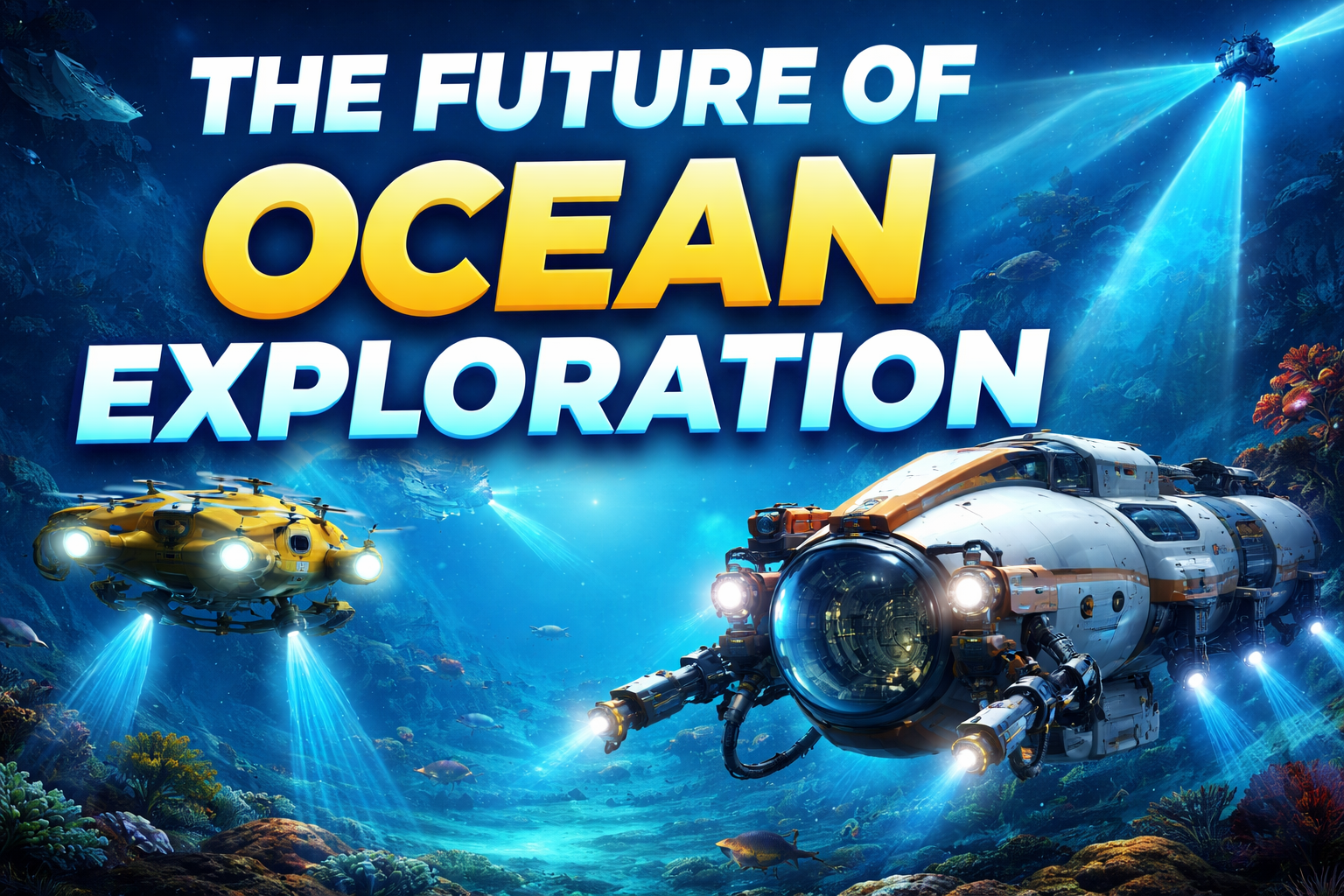
The Future of Ocean Exploration
Table of Contents
Introduction to Ocean Exploration
Importance of Ocean Exploration for Global Health
How the Ocean Impacts Climate Change and Health
Technological Advancements in Ocean Exploration
The Role of Remote Sensing in Mapping the Ocean Floor
The Impact of Autonomous Underwater Vehicles (AUVs)
Innovations Driving Ocean Exploration Forward
Artificial Intelligence and Machine Learning in Ocean Research
Ocean Data Networks: Bridging the Gap in Data Integration
Challenges in Modern Ocean Exploration
Environmental Concerns and Sustainable Practices
The Difficulty of Exploring the Deep Ocean
Future Trends in Ocean Exploration
The Role of Satellites and Drones in Marine Conservation
Marine Robotics: Enhancing Exploration and Research
Conclusion: The Path Forward for Ocean Exploration
FAQs
Introduction to Ocean Exploration
Ocean exploration is one of the final frontiers of scientific discovery. With over 70% of the Earth’s surface covered by oceans, they play a crucial role in regulating the planet's climate, sustaining life, and providing resources. However, despite their importance, much of the ocean remains unexplored, with vast areas still hidden beneath the waves.
In recent years, technological advancements have brought ocean exploration into a new era. From autonomous underwater vehicles to advanced AI systems, the tools we have at our disposal are opening doors to a wealth of knowledge about the ocean’s mysteries.
Key Takeaways:
- Ocean exploration is vital for climate regulation and understanding global health impacts.
- Advancements in remote sensing, autonomous vehicles, and AI are driving progress in this field.
- Innovations like ocean data networks are making it easier to monitor and conserve ocean ecosystems.
- Challenges remain, including environmental concerns and the technical limitations of deep-sea exploration.
Importance of Ocean Exploration for Global Health
The oceans are not just a vast expanse of water; they are integral to the Earth's climate, and their health directly affects human life. By exploring the ocean, we not only gain insight into marine ecosystems but also improve our understanding of how these ecosystems influence climate change and human health.
How the Ocean Impacts Climate Change and Health
The ocean acts as a major carbon sink, absorbing a significant portion of the carbon dioxide in the atmosphere. It also regulates the Earth's temperature and weather patterns. Changes in ocean temperatures, acidity, and currents can disrupt these processes, affecting everything from the health of marine life to the occurrence of extreme weather events. By exploring the ocean, we can better predict and mitigate these impacts, helping to safeguard human health and the planet’s future.
Technological Advancements in Ocean Exploration
Ocean exploration has entered an exciting era with groundbreaking technologies that allow us to probe deeper, faster, and more accurately than ever before. These innovations are key to unlocking the mysteries of the ocean.
The Role of Remote Sensing in Mapping the Ocean Floor
Remote sensing technologies, including satellites and sonar systems, have revolutionized ocean exploration. They allow scientists to create highly detailed maps of the ocean floor, uncovering underwater mountains, valleys, and ecosystems that were previously inaccessible. This data is critical for understanding ocean circulation, biodiversity, and even the impacts of climate change.
The Impact of Autonomous Underwater Vehicles (AUVs)
AUVs are transforming the way we explore the deep ocean. These robots can dive to extreme depths, collecting data on water quality, temperature, and marine life. They can also map the ocean floor, allowing researchers to gather vital information without risking human lives. AUVs are essential for long-term monitoring of remote ocean areas and help to improve our understanding of the ocean’s dynamic processes.
Innovations Driving Ocean Exploration Forward
The future of ocean exploration will be shaped by continuous innovations in both hardware and software. Technologies such as artificial intelligence (AI), machine learning, and data integration tools are making ocean research more effective and accessible.
Artificial Intelligence and Machine Learning in Ocean Research
AI and machine learning are becoming powerful tools in ocean exploration. They can process vast amounts of data from sensors, AUVs, and satellites, helping scientists identify patterns and make predictions about marine life and ocean behavior. For instance, AI can predict the movement of ocean currents, allowing for better forecasting of climate patterns and natural disasters.
Ocean Data Networks: Bridging the Gap in Data Integration
As more sensors and devices collect ocean data, integrating this information becomes a significant challenge. Ocean data networks, which link various data collection tools, are helping scientists make sense of these vast datasets. By combining real-time data with historical records, researchers can gain deeper insights into ocean conditions and track long-term changes in marine ecosystems.
Challenges in Modern Ocean Exploration
Despite these exciting advancements, ocean exploration still faces significant challenges. These range from environmental concerns to the technical difficulties of exploring the deepest parts of the ocean.
Environmental Concerns and Sustainable Practices
While technology has improved our ability to explore the ocean, it is essential to balance exploration with environmental sustainability. Unregulated exploration can harm marine ecosystems, especially deep-sea habitats. There is an increasing focus on sustainable ocean exploration practices, ensuring that advancements in technology do not come at the expense of ocean health.
The Difficulty of Exploring the Deep Ocean
The deep ocean remains one of the most difficult places to explore. Extreme pressures, low temperatures, and the lack of natural light present significant technical challenges. The development of specialized submersibles and AUVs has made it possible to explore deeper parts of the ocean, but much of the ocean’s deepest regions remain unexplored.
Future Trends in Ocean Exploration
As technology continues to advance, the future of ocean exploration looks brighter than ever. Innovations in robotics, AI, and satellite technology are set to unlock new possibilities for exploring and conserving the ocean.
The Role of Satellites and Drones in Marine Conservation
Satellites and drones are playing an increasingly important role in ocean conservation. Satellites can monitor vast ocean areas, detecting changes in water temperature, pollution levels, and even illegal fishing activities. Drones are also being used to monitor coastal ecosystems and track marine animal movements, providing crucial data for conservation efforts.
Marine Robotics: Enhancing Exploration and Research
Marine robotics, including AUVs and remotely operated vehicles (ROVs), are critical for advancing ocean exploration. These robots can reach depths that are otherwise impossible for humans, enabling us to study remote and fragile marine ecosystems. The future of ocean exploration relies heavily on advancements in robotics to collect data from hard-to-reach ocean areas.
Conclusion: The Path Forward for Ocean Exploration
Ocean exploration is evolving rapidly, driven by new technologies and innovations that promise to reveal the ocean’s mysteries like never before. As we continue to unlock the secrets of the deep, we must ensure that our exploration efforts are sustainable and respectful of the fragile marine environments we are discovering. The future of ocean exploration is bright, and with continued technological advancements, we can look forward to a better understanding of the ocean's role in our global ecosystem.
FAQs
Why is ocean exploration important for global health?
Ocean exploration helps us understand the impact of marine ecosystems on global health, including their role in climate regulation and the discovery of marine-based medicines.
What are the biggest technological advancements in ocean exploration?
Key advancements include remote sensing, autonomous underwater vehicles (AUVs), and AI for analyzing ocean data.
How does remote sensing help in ocean exploration?
Remote sensing technologies like satellites and sonar systems allow for detailed mapping of the ocean floor and monitoring of oceanic changes.
What is the role of AI in ocean exploration?
AI helps analyze large datasets from various ocean exploration tools, providing insights into ocean patterns and aiding in the prediction of climate-related events.
What challenges do scientists face when exploring the deep ocean?
The deep ocean presents extreme conditions like high pressure and low temperatures, making exploration difficult without specialized equipment.
How do AUVs contribute to ocean exploration?
AUVs can reach deep-sea locations to collect valuable data without putting human lives at risk, making them essential for exploring remote ocean areas.
What is the significance of ocean data networks?
Ocean data networks help integrate various data sources, providing a comprehensive understanding of ocean conditions and enabling long-term monitoring.
What environmental concerns are associated with ocean exploration?
Unregulated exploration can damage sensitive ecosystems. Sustainable exploration practices are essential to minimize harm.
How do satellites contribute to marine conservation?
Satellites monitor ocean conditions, track pollution, and help enforce conservation efforts, such as detecting illegal fishing activities.
What role do marine robots play in future ocean exploration?
Marine robots will continue to enhance our ability to explore the deep ocean, providing critical data for research and conservation efforts.
Ready to explore the depths of the ocean?
Click here to learn more about ocean exploration!
