
19May
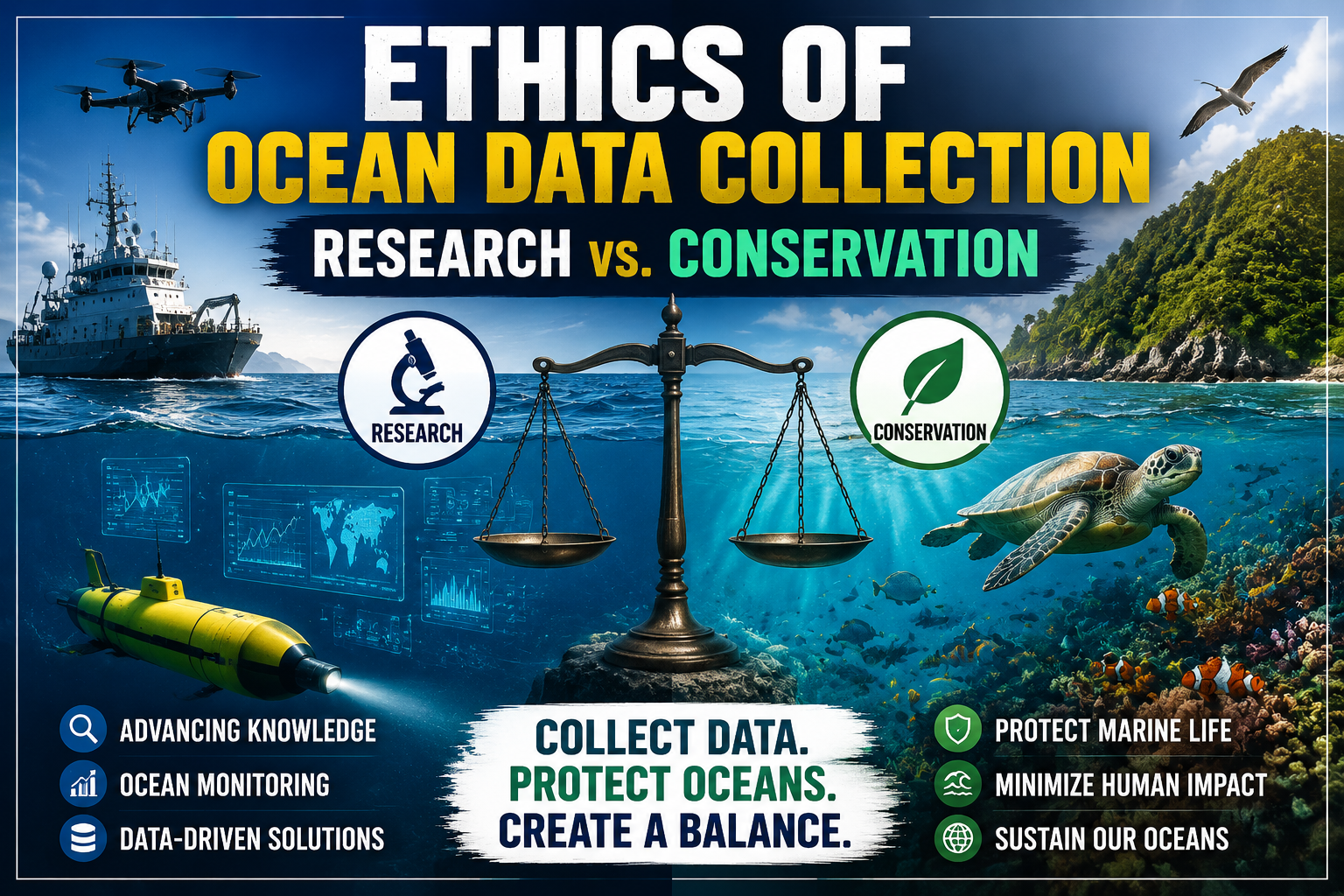
Ethics of Ocean Data Collection: Research vs. Conservation
Table of Contents
- Introduction to Ocean Data Ethics
- The Importance of Ocean Data Collection
- Balancing Scientific Discovery with Conservation Goals
- Ethical Principles in Ocean Research
- Respect for Marine Life and Ecosystems
- Transparency and Accountability in Research
- The Role of Human Impact in Ocean Data Collection
- Avoiding Habitat Disturbance
- Minimizing Disruption to Marine Species
- Technology and Ethics in Data Collection
- The Use of Drones, Sensors, and AUVs
- Ethical Data Management and Storage
- Legal and Policy Considerations
- International Regulations on Ocean Research
- National Guidelines and Research Permits
- Case Studies: Successes and Failures in Ocean Ethics
- Instances of Ethical Data Collection
- Lessons Learned from Mismanaged Research
- Future Trends in Ethical Ocean Research
- Emerging Technologies and Responsible Use
- Collaboration Between Scientists and Conservationists
- Conclusion: Upholding Ethics in Ocean Data Collection
Introduction to Ocean Data Ethics
The Importance of Ocean Data Collection
Collecting ocean data is vital for understanding the health of our marine ecosystems. From tracking marine biodiversity to analyzing ocean currents and pollution levels, data drives scientific research that informs conservation efforts. Researchers rely on this information to make decisions that affect not only the oceans but also the communities and economies that depend on them.
However, gathering this data comes with ethical responsibilities. It’s not just about collecting information—it’s about ensuring that the methods do not harm marine habitats, wildlife, or the environment.
Balancing Scientific Discovery with Conservation Goals
Ocean data collection often walks a fine line between discovery and preservation. While scientific research aims to expand knowledge, it can unintentionally disrupt marine ecosystems. Scientists must weigh the potential benefits of research against the environmental cost, ensuring that the pursuit of knowledge does not compromise marine conservation goals.
Ethical practices encourage minimal disruption, careful planning, and the use of sustainable technologies that reduce the ecological footprint of research.
Ethical Principles in Ocean Research
Respect for Marine Life and Ecosystems
Ethical research requires respecting all forms of marine life. This means avoiding activities that harm animals or their habitats, such as unnecessary sampling or intrusive observations. For instance, researchers should use non-invasive tagging methods for tracking species rather than techniques that might stress or injure them.
Moreover, preserving ecosystem integrity is critical. Ethical researchers consider how their studies might impact the broader food chain, including predators, prey, and the surrounding habitat.
Transparency and Accountability in Research
Transparency in methodology and reporting is fundamental to ethical oceanography. Scientists should openly share how data was collected, what instruments were used, and any limitations or biases in the research. This accountability allows other researchers, policymakers, and conservation groups to evaluate findings and apply them responsibly.
Maintaining public trust is essential, especially when research informs marine conservation policies and environmental regulations.
The Role of Human Impact in Ocean Data Collection
Avoiding Habitat Disturbance
Many research methods, such as deploying large sensors or submersible vehicles, have the potential to disturb fragile marine habitats. Ethical ocean data collection aims to minimize these disruptions by using smaller, precise instruments and strategic deployment methods that avoid sensitive areas.
Researchers also schedule fieldwork to avoid critical periods like spawning seasons, ensuring that their presence does not interfere with the natural cycles of marine organisms.
Minimizing Disruption to Marine Species
Marine species are sensitive to noise, light, and physical intrusion. For example, loud sonar used for mapping can affect whales and dolphins. By adopting quieter and less invasive technologies, scientists reduce stress on marine life while still gathering essential data for understanding oceanic health.
Technology and Ethics in Data Collection
The Use of Drones, Sensors, and AUVs
Modern technologies like drones, sensors, and autonomous underwater vehicles (AUVs) are revolutionizing ocean research. They allow scientists to collect high-resolution data from remote locations without causing extensive physical disruption.
These technologies must be deployed responsibly, considering environmental impact, battery waste, and interference with natural behaviors of marine species.
Ethical Data Management and Storage
Collecting data is only part of the responsibility. Proper data management is equally important. Ethical practices include securing sensitive information, ensuring accuracy, and storing data in ways that can be responsibly shared with other researchers or policymakers without risking environmental exploitation.
Legal and Policy Considerations
International Regulations on Ocean Research
International treaties and conventions, such as the United Nations Convention on the Law of the Sea (UNCLOS), provide guidelines for conducting research in international waters. Ethical oceanography adheres to these frameworks to ensure that exploration does not infringe on the rights of nations or harm marine environments.
National Guidelines and Research Permits
Different countries have specific rules for conducting research in their territorial waters. Obtaining permits and following national environmental regulations is critical for ensuring ethical compliance. These laws often dictate where research can take place, how samples are collected, and how data can be used.
Case Studies: Successes and Failures in Ocean Ethics
Instances of Ethical Data Collection
There are many examples of researchers successfully balancing scientific discovery and conservation. For instance, non-invasive tagging of sea turtles provides critical migration data without harming the species. Marine drone surveys have allowed for the study of coral reefs without physically touching the ecosystem.
Lessons Learned from Mismanaged Research
Not all research has been conducted ethically. Past practices, like over-collecting specimens or disrupting habitats, have caused harm to marine ecosystems. Learning from these mistakes is essential to developing better ethical guidelines and improving conservation outcomes.
Future Trends in Ethical Ocean Research
Emerging Technologies and Responsible Use
The future of ocean research lies in advanced, low-impact technologies. Innovations like AI-assisted drones, remote sensing, and miniaturized sensors allow for comprehensive data collection with minimal ecological disruption.
Collaboration Between Scientists and Conservationists
Collaboration is key. By working closely with conservationists, oceanographers can ensure that their research methods support marine protection goals, helping to maintain biodiversity while still advancing scientific knowledge.
Conclusion: Upholding Ethics in Ocean Data Collection
Ethical ocean data collection is not just a guideline—it’s a responsibility. Researchers must balance the need for knowledge with the imperative to protect marine life and ecosystems. Through careful planning, modern technology, and adherence to international and national regulations, we can explore the oceans responsibly. Upholding these ethical standards ensures that marine biodiversity is preserved for future generations while science continues to uncover the mysteries of the deep.
FAQs:
Q: What is ocean data collection ethics?
A: It refers to principles guiding responsible collection and use of oceanographic data without harming ecosystems.
Q: Why is ethical ocean research important?
A: It ensures scientific discovery does not damage marine life or habitats and maintains public trust.
Q: How do researchers minimize impact on marine species?
A: By using non-invasive technologies like drones, sensors, and precise AUV deployments.
Q: What international laws regulate ocean research?
A: Conventions like UNCLOS establish rules for ethical research in international waters.
Q: How can AI improve ethical ocean research?
A: AI enables low-impact monitoring and real-time analysis while reducing human intervention.
Q: What are Marine Protected Areas (MPAs)?
A: MPAs are regions where human activities are restricted to protect biodiversity.
Q: What lessons come from unethical ocean research?
A: Over-collection or habitat disruption can lead to species decline and ecosystem damage.
Q: How do national permits influence research ethics?
A: They ensure compliance with environmental laws and responsible sampling practices.
Q: Why is collaboration with conservationists important?
A: It ensures that research supports biodiversity protection while advancing science.
Q: What is the future of ethical ocean data collection?
A: Emerging low-impact technologies and global collaboration will enhance sustainable marine research.
CTA Button
Learn More About Ethical Ocean Research
