
7May
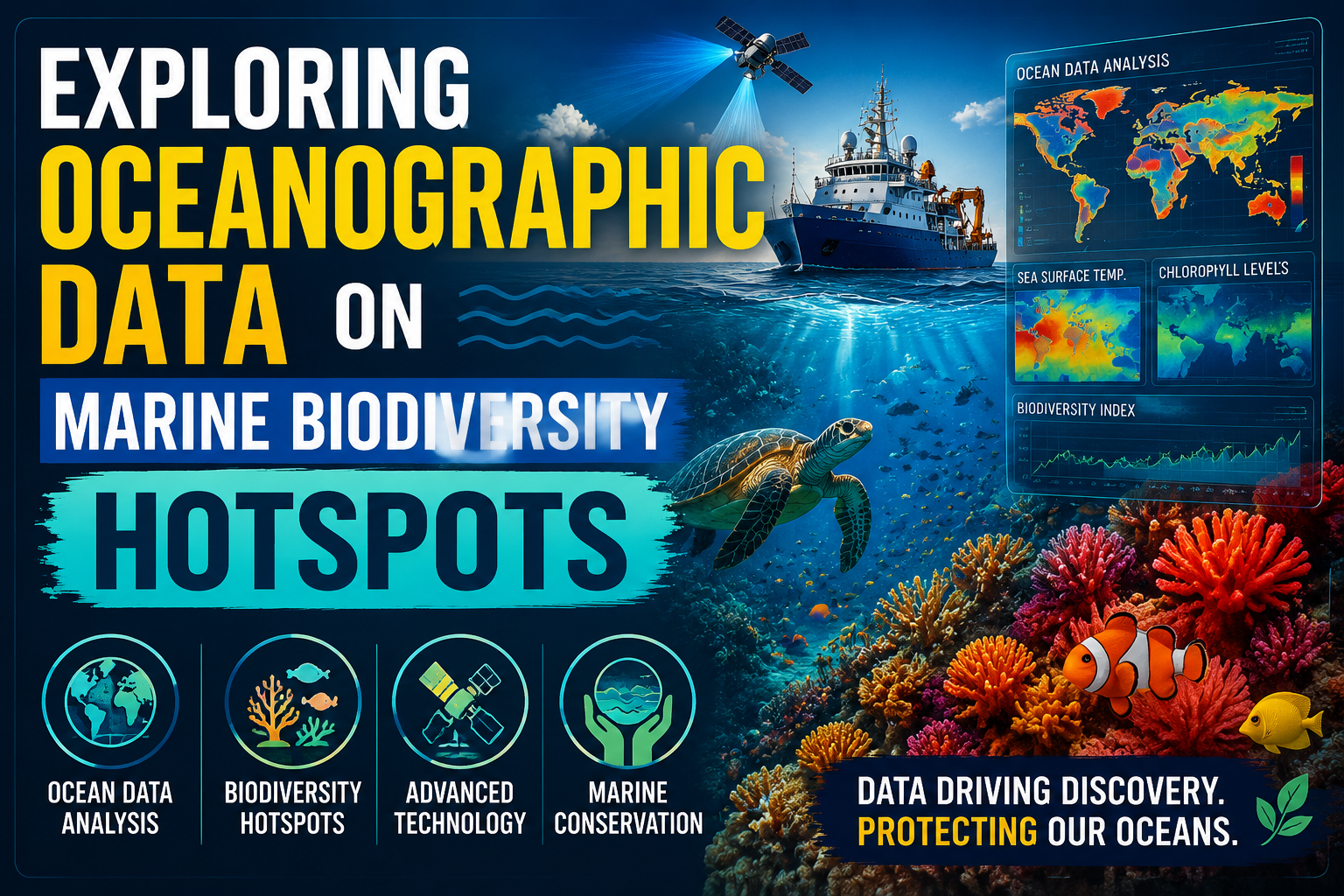
Exploring Oceanographic Data on Marine Biodiversity Hotspots
Table of Contents
- Introduction to Oceanographic Data and Marine Biodiversity
- What is Oceanographic Data?
- The Importance of Marine Biodiversity
- The Role of Oceanographic Data in Identifying Biodiversity Hotspots
- Mapping Marine Biodiversity Using Ocean Data
- Key Oceanographic Tools for Studying Marine Life
- Marine Biodiversity Hotspots Around the World
- Coral Reefs: The Rainforests of the Ocean
- Deep-sea Ecosystems and Biodiversity
- How Oceanographic Data Supports Marine Conservation Efforts
- Protecting Vulnerable Species with Ocean Data
- The Role of Marine Protected Areas (MPAs) in Conservation
- Innovations in Oceanographic Research for Biodiversity Studies
- Advances in Ocean Mapping Technology
- Real-Time Monitoring and Data Collection
- Challenges in Using Oceanographic Data for Biodiversity Research
- Data Gaps and Limitations
- Balancing Human Activity and Marine Conservation
- Future Trends in Oceanographic Data for Marine Biodiversity
- Artificial Intelligence in Oceanographic Research
- The Role of International Collaboration in Data Sharing
- Conclusion: The Critical Role of Oceanographic Data in Marine Biodiversity Preservation
Introduction to Oceanographic Data and Marine Biodiversity
What is Oceanographic Data?
Oceanographic data refers to the scientific information collected about the ocean’s physical, chemical, and biological properties. This data includes measurements of temperature, salinity, depth, currents, and marine life observations. It’s gathered through a variety of tools like satellites, buoys, underwater sensors, and remote sensing devices. For marine biodiversity studies, oceanographic data helps scientists understand the distribution of different species, ecosystems, and how they interact with each other within the marine environment.
The use of oceanographic data is crucial for protecting our oceans, as it provides the necessary information for assessing the health of marine ecosystems and predicting how changes like climate change or overfishing might impact them.
The Importance of Marine Biodiversity
Marine biodiversity refers to the variety of life found in the world’s oceans, from tiny plankton to massive whales. Our oceans are home to an estimated 230,000 species, though some experts believe there may be millions of undiscovered species. Marine biodiversity is vital not only for maintaining ocean ecosystems but also for human well-being. The ocean provides food, regulates climate, and supports global economies through fisheries, tourism, and shipping industries.
Protecting marine biodiversity requires understanding its distribution and behavior within different oceanic regions, which is where oceanographic data comes in. By studying this data, we can identify biodiversity hotspots—areas that host an extraordinary amount of marine life—allowing for targeted conservation efforts.
The Role of Oceanographic Data in Identifying Biodiversity Hotspots
Mapping Marine Biodiversity Using Ocean Data
One of the most important uses of oceanographic data is mapping marine biodiversity. Satellites, sonar systems, and autonomous underwater vehicles (AUVs) help scientists map the ocean floor and the distribution of species. This mapping allows researchers to pinpoint areas with high biodiversity, such as coral reefs, mangrove forests, and seamounts, which act as habitats for a wide variety of marine life.
By using ocean data, scientists can also track how these biodiversity hotspots change over time. As ocean conditions fluctuate due to factors like temperature rise or acidification, the habitats of marine life shift. These maps provide real-time data that helps conservationists protect the most vulnerable species and ecosystems.
Key Oceanographic Tools for Studying Marine Life
A variety of technologies are used to study marine life and oceanic conditions, including remote sensing, sonar mapping, AUVs, and marine sensors. These tools allow researchers to gather high-resolution data on everything from water temperature to species migration patterns. For example, marine core samples can be analyzed to study the health of marine species over long periods, while underwater drones provide detailed images of habitats like coral reefs or kelp forests.
With these advanced tools, researchers can better understand the health of marine ecosystems and ensure that marine protected areas (MPAs) are properly maintained.
Marine Biodiversity Hotspots Around the World
Coral Reefs: The Rainforests of the Ocean
Coral reefs are one of the most well-known marine biodiversity hotspots. They are home to thousands of species, including fish, invertebrates, and mammals. The Great Barrier Reef, for example, supports over 1,500 species of fish and hundreds of species of corals and marine invertebrates. Coral reefs are vital for ocean health, but they are increasingly threatened by climate change, ocean acidification, and human activity.
Oceanographic data plays a crucial role in monitoring coral reefs and understanding how they react to environmental stresses. By tracking ocean temperature changes, coral bleaching events, and pollution levels, scientists can identify areas of reef decline and focus conservation efforts where they are most needed.
Deep-sea Ecosystems and Biodiversity
Deep-sea ecosystems, often referred to as the “final frontier,” are another critical source of marine biodiversity. Despite being difficult to study, deep-sea habitats are home to a staggering number of undiscovered species, many of which have adapted to the extreme conditions of the deep ocean. Using oceanographic data, researchers are discovering new species and learning how these organisms survive in the absence of sunlight, where hydrothermal vents and chemosynthesis fuel life.
By mapping these deep-sea ecosystems, scientists can also study their role in the global carbon cycle and better understand their potential contribution to climate regulation.
How Oceanographic Data Supports Marine Conservation Efforts
Protecting Vulnerable Species with Ocean Data
Ocean data is essential for the protection of vulnerable marine species. By tracking population sizes, migration routes, and breeding patterns, researchers can identify species at risk of extinction and develop conservation strategies. For instance, whale migrations and sea turtle nesting sites can be monitored to prevent human-caused threats, such as shipping collisions or habitat destruction.
Additionally, ocean data helps predict the potential impact of climate change on these species. With this knowledge, we can act before the situation worsens.
The Role of Marine Protected Areas (MPAs) in Conservation
Marine Protected Areas (MPAs) are vital tools for preserving marine biodiversity. These areas are designated to limit human activity, such as fishing and tourism, to protect sensitive ecosystems. Oceanographic data is used to identify areas that are particularly rich in marine life and that require protection. By monitoring the conditions within MPAs, scientists can evaluate their effectiveness and ensure that these areas provide adequate protection for marine species.
Innovations in Oceanographic Research for Biodiversity Studies
Advances in Ocean Mapping Technology
Ocean mapping technology has seen significant advancements in recent years. Technologies like sonar mapping, AUVs, and satellite imaging are now capable of creating detailed, three-dimensional maps of the ocean floor and its ecosystems. These innovations are helping scientists understand marine habitats at an unprecedented scale and resolution.
These mapping technologies allow researchers to track the health of marine habitats over time and to quickly identify changes that could signal ecosystem disruption, such as a coral reef die-off or the collapse of fish populations.
Real-Time Monitoring and Data Collection
Real-time monitoring and data collection are transforming marine research. Using a network of sensors, buoys, and underwater drones, oceanographic data can be collected continuously from various marine environments. This data helps scientists respond more quickly to threats, such as rising ocean temperatures or the appearance of harmful algal blooms.
Real-time data also supports early warning systems for marine life conservation, helping prevent ecosystem collapse before it happens.
Challenges in Using Oceanographic Data for Biodiversity Research
Data Gaps and Limitations
Despite advancements in oceanographic research, there are still significant data gaps in our understanding of marine biodiversity. The ocean is vast and difficult to study, and many regions remain unexplored. Some species live in extreme depths that are inaccessible to current technology, while others inhabit remote or inhospitable areas of the ocean.
Efforts are underway to expand oceanographic data collection to fill these gaps, but the process is slow and costly.
Balancing Human Activity and Marine Conservation
Another challenge in using oceanographic data for marine conservation is balancing human activities with conservation efforts. Overfishing, pollution, and climate change continue to threaten marine ecosystems, making it difficult to protect vulnerable species. Using ocean data, researchers can identify areas where human activities are causing the most harm and advocate for stricter regulations or the creation of new protected areas.
Future Trends in Oceanographic Data for Marine Biodiversity
Artificial Intelligence in Oceanographic Research
Artificial intelligence (AI) is increasingly being used in oceanographic research to analyze large datasets. AI algorithms can process vast amounts of ocean data, from satellite imagery to sensor readings, to detect patterns that might be missed by humans. This technology will enhance the efficiency of marine biodiversity monitoring and help scientists respond faster to environmental threats.
The Role of International Collaboration in Data Sharing
As oceanographic research becomes more global, international collaboration in data sharing will play a critical role in understanding marine biodiversity. By sharing data across borders, scientists can create comprehensive global databases that track marine life and ocean conditions more accurately. This will allow for more coordinated conservation efforts and more effective protection of biodiversity hotspots.
Conclusion: The Critical Role of Oceanographic Data in Marine Biodiversity Preservation
Oceanographic data is a critical tool in preserving marine biodiversity. From mapping biodiversity hotspots to understanding the impact of climate change, ocean data helps us protect marine life and maintain ecosystem balance. As technology advances, the potential to understand and preserve our oceans grows, offering hope for a future where marine ecosystems thrive.
FAQs
1. What is oceanographic data?
Oceanographic data includes measurements of ocean temperature, salinity, currents, and marine life used to understand marine ecosystems and monitor environmental changes.
2. Why is marine biodiversity important?
Marine biodiversity is crucial for the health of ocean ecosystems, which provide food, regulate climate, and support the global economy.
3. How does ocean data help protect marine species?
Ocean data tracks species populations, migration patterns, and breeding areas, allowing for targeted conservation efforts to protect vulnerable species.
4. What are marine protected areas (MPAs)?
Marine protected areas are regions of the ocean where human activities are restricted to protect sensitive ecosystems and species.
5. How does ocean mapping technology aid in marine biodiversity research?
Ocean mapping technologies create detailed maps of the seafloor, helping scientists identify and monitor marine habitats, including coral reefs and deep-sea ecosystems.
6. What is the role of AI in oceanographic research?
AI analyzes large volumes of ocean data to detect patterns, making it easier for scientists to monitor marine ecosystems and predict changes.
7. How does real-time data collection benefit marine research?
Real-time data collection allows scientists to quickly respond to environmental threats like rising temperatures or harmful algal blooms.
8. What are the challenges in studying marine biodiversity?
Challenges include data gaps, the vastness of the ocean, and the difficulty of accessing remote or deep-sea habitats.
9. How does climate change affect marine biodiversity?
Climate change causes ocean temperatures to rise, which can disrupt marine ecosystems, leading to species migration, coral bleaching, and ecosystem collapse.
10. How can international collaboration improve marine conservation?
By sharing data across borders, countries can create a global understanding of marine ecosystems, leading to coordinated conservation efforts and better protection for marine life.
Explore More on Marine Biodiversity and Ocean Data
