
1Apr
The Importance of Ocean Currents in Global Weather Patterns
Table of Contents
- Introduction to Ocean Currents and Global Weather
- Ocean Currents and Climate Regulation
- The Impact of Ocean Currents on Weather Patterns
- Ocean Currents and Climate Events
- The Global Impact of Ocean Currents on Weather Patterns
- The Future of Ocean Currents and Global Weather
- Conclusion: Understanding Ocean Currents for Weather Stability
Introduction to Ocean Currents and Global Weather
What Are Ocean Currents?
ocean currents
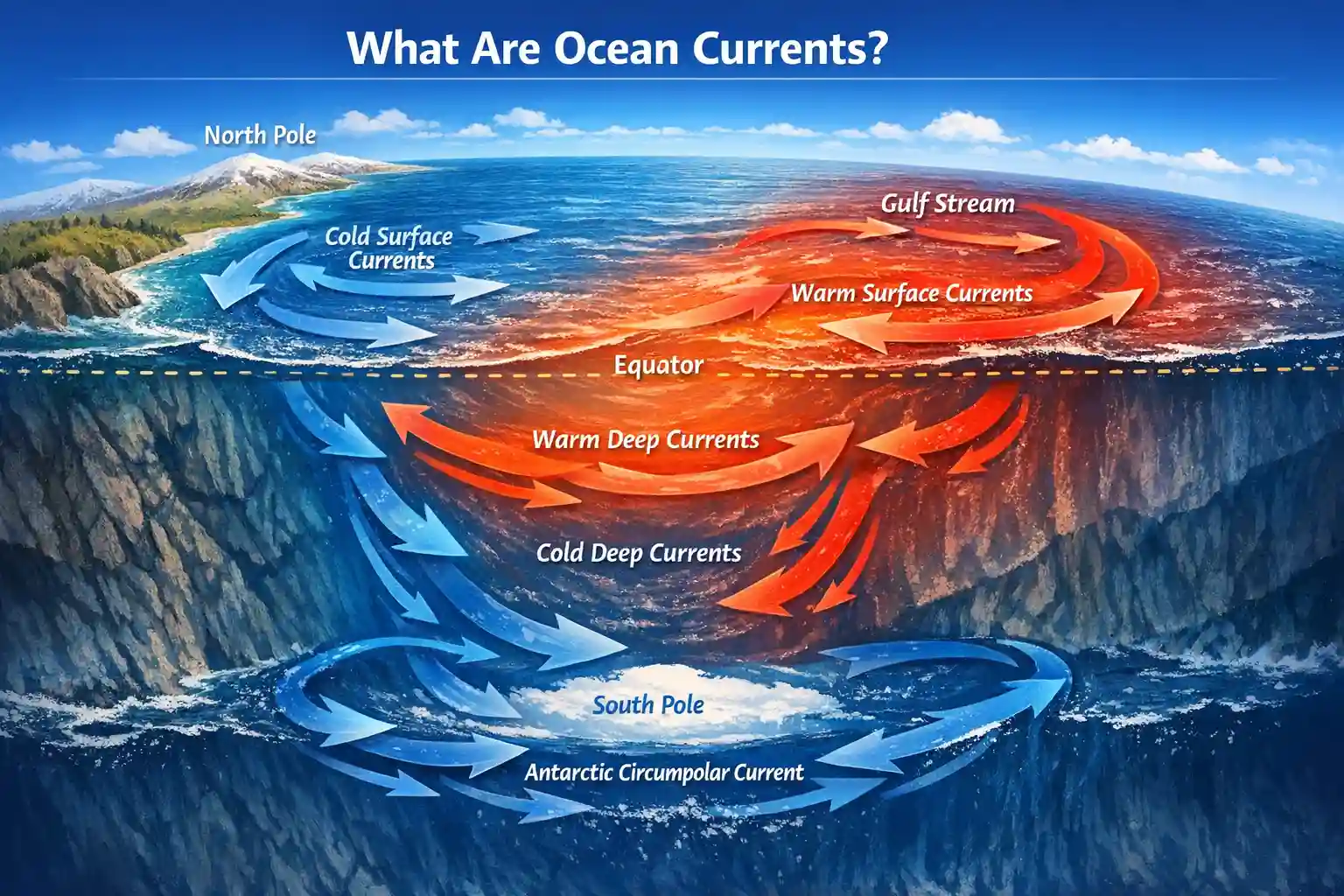
Ocean currents are vast, continuous flows of seawater, driven by wind, the Earth's rotation, and variations in water temperature and salinity. These currents move large volumes of water across the globe and play an essential role in regulating the Earth’s climate and weather patterns. There are two primary types of ocean currents: surface currents and deep-water currents. Surface currents, such as the Gulf Stream, are driven by wind patterns and affect the top layers of the ocean, while deep-water currents are influenced by changes in water density due to temperature and salinity, known as thermohaline circulation.
How Ocean Currents Affect Global Weather
Ocean currents are more than just oceanic phenomena they have a significant impact on global weather patterns. By transporting heat from the equator toward the poles and cold water from the poles back to the equator, ocean currents help regulate temperatures around the globe. This process creates stable climates in various regions, prevents extreme temperature fluctuations, and facilitates the transfer of vital nutrients throughout the ocean. Without these currents, regions would experience much more severe and erratic weather, leading to less predictable and less favorable living conditions.
Ocean Currents and Climate Regulation
The Role of Ocean Currents in Heat Distribution
One of the most critical functions of ocean currents is their ability to distribute heat across the Earth’s surface. The ocean absorbs a vast amount of solar energy, and ocean currents help transport this energy throughout the globe. For instance, the Gulf Stream in the North Atlantic carries warm water from the Caribbean up to Western Europe, keeping countries like the UK and Ireland much warmer than other places at similar latitudes. Without this heat redistribution, areas near the equator would become unbearably hot, and polar regions would experience even more extreme cold.
How Ocean Currents Help Moderate Global Temperatures
By moving warm water toward the poles and cold water toward the equator, ocean currents act as a natural thermostat for the planet. They maintain a balance, preventing temperature extremes and stabilizing regional climates. This also plays a role in mitigating global climate changes. If ocean currents were to slow down or change direction due to climate change, it could lead to shifts in temperature regulation, contributing to severe weather events and other global disruptions. Thus, the role of ocean currents in stabilizing the Earth’s temperatures cannot be overstated.
The Impact of Ocean Currents on Weather Patterns
Ocean Currents and Storm Formation
ocean currents
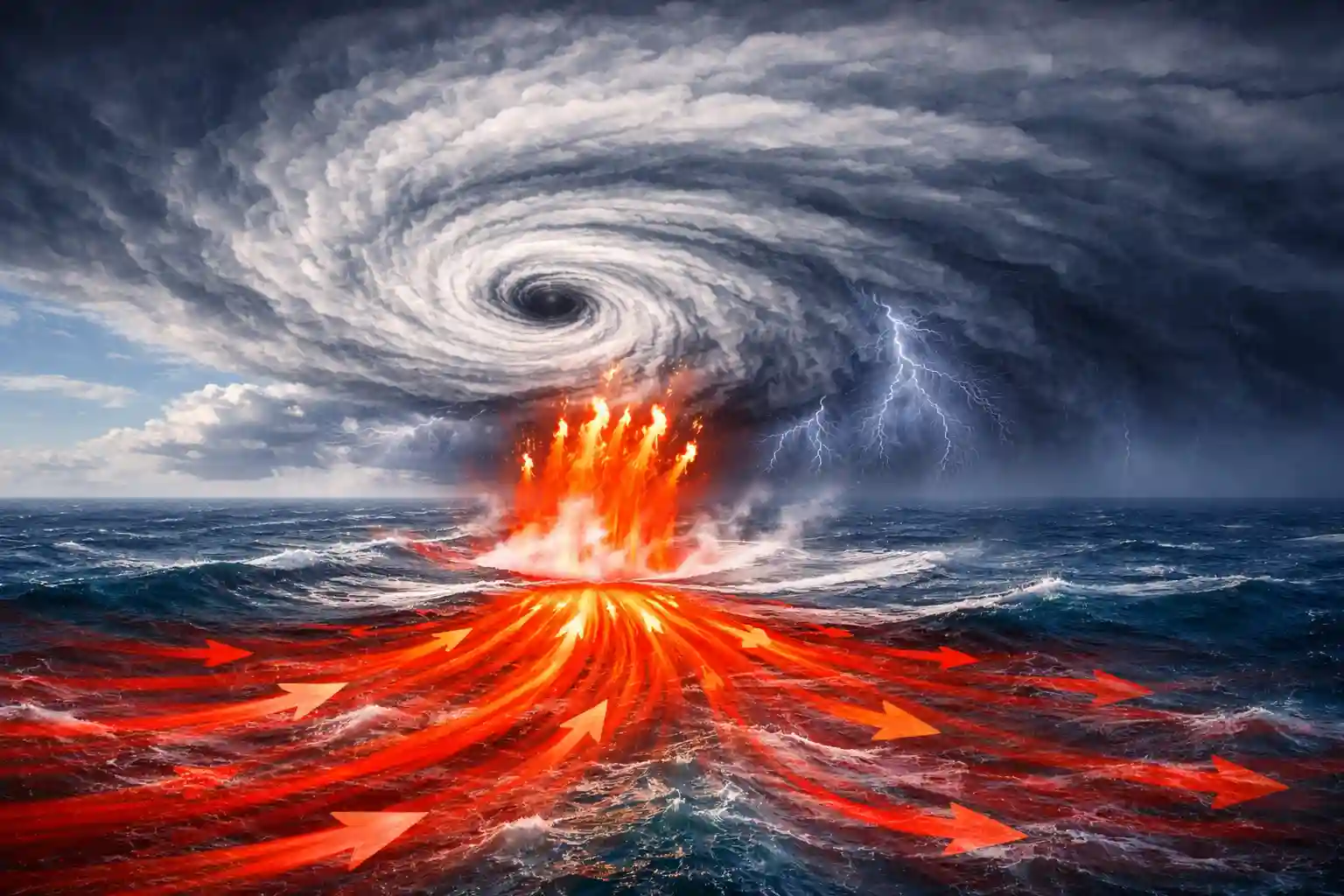
Ocean currents are deeply tied to the formation of storms. Tropical storms, such as hurricanes and typhoons, rely heavily on the heat from the ocean surface to gain strength. When ocean temperatures are higher, they provide the perfect conditions for these storms to form and intensify. For example, warm water from the Gulf of Mexico and the Caribbean Sea is a major contributor to the strength of hurricanes in the Atlantic. Changes in ocean current patterns, such as the shifting of warm and cold water masses, can influence the frequency and intensity of storms, making them more unpredictable and dangerous.
The Influence of Ocean Currents on Precipitation Patterns
Ocean currents also play a crucial role in shaping precipitation patterns across the globe. As currents distribute heat and moisture, they influence atmospheric pressure systems, which in turn affect rainfall distribution. Regions with strong ocean currents, such as the Pacific Ocean near the equator, often experience heavy rainfall, while other areas may face prolonged dry periods. Understanding these patterns is crucial for predicting weather changes and planning for future climate-related challenges.
Ocean Currents and Climate Events
El Niño and La Niña: The Role of Ocean Currents in These Events
The El Niño and La Niña phenomena are direct results of changes in ocean current patterns. El Niño occurs when the normally cold water in the Pacific Ocean becomes warmer than usual, disrupting weather patterns across the globe. This leads to altered rainfall patterns, droughts, and even forest fires in regions that would usually experience more moderate conditions. Conversely, La Niña is characterized by cooler-than-usual water temperatures in the Pacific, which can lead to heavier rainfall, flooding, and cooler weather in some parts of the world. Both of these events are tied to shifts in ocean currents, highlighting their critical influence on global weather systems.
Ocean Currents and Their Role in Tropical Cyclones
Tropical cyclones, including hurricanes and typhoons, are another example of how ocean currents shape global weather. These storms are powered by the energy drawn from warm ocean waters. As ocean currents shift and increase the availability of warm water in specific regions, the frequency and intensity of these storms also increase. Stronger and more frequent cyclones, driven by changing ocean current dynamics, are one of the most noticeable consequences of a warming planet.
The Global Impact of Ocean Currents on Weather Patterns
How Ocean Currents Influence Coastal Weather Systems
ocean currents
Ocean currents have a significant effect on the weather conditions along coastlines. Coastal weather systems, such as sea breezes and coastal fog, are driven by the interaction between ocean currents and the atmosphere. In areas with strong ocean currents, such as the west coast of North America, these systems can lead to cooler summers and milder winters. However, disruptions in ocean currents could change these conditions, resulting in hotter summers, colder winters, and even an increased risk of coastal storms.
Ocean Currents' Role in Shaping Regional Climates
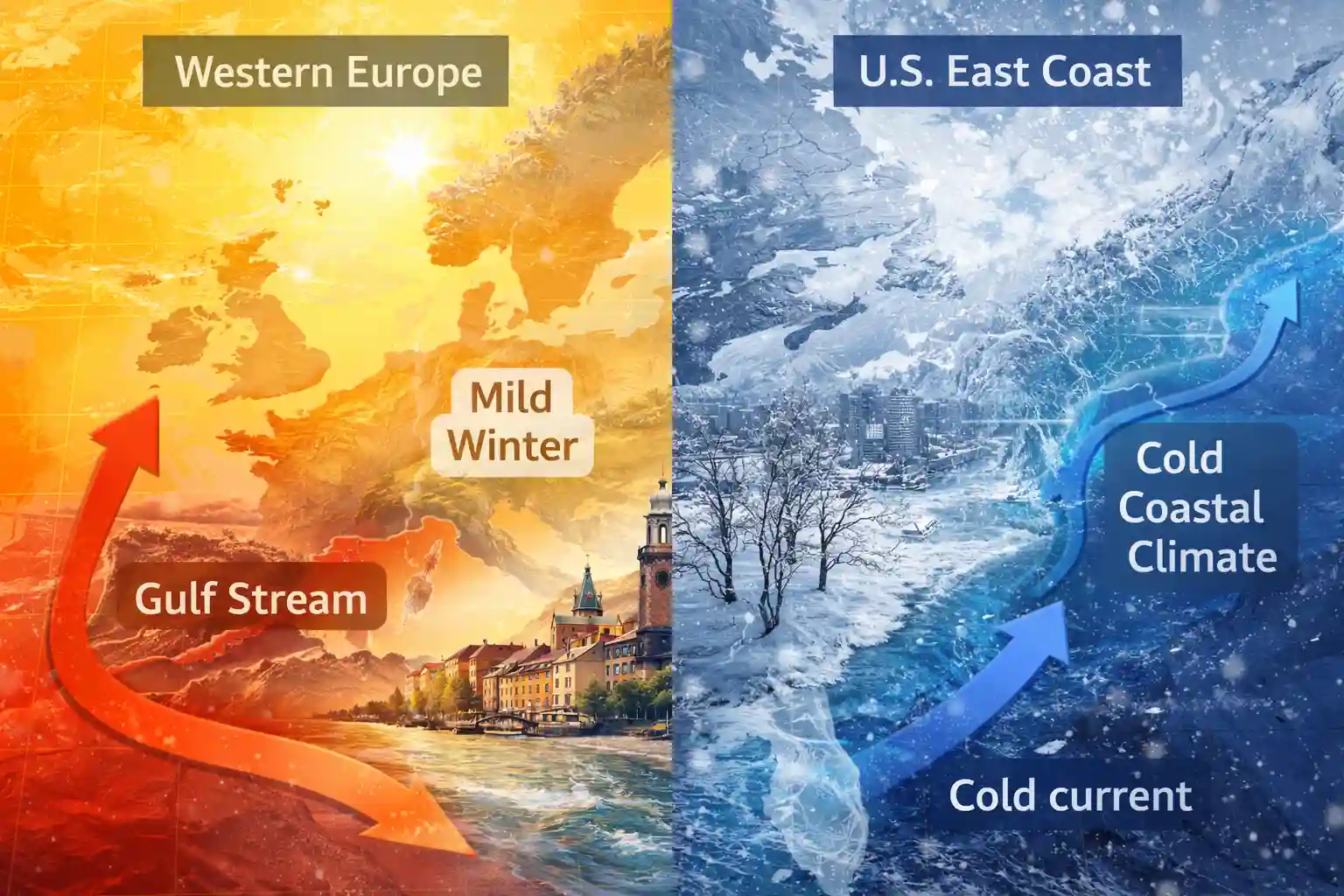
Ocean currents not only influence global weather patterns but also shape the climate of specific regions. For example, the Gulf Stream ensures that parts of Western Europe, including the UK, experience relatively mild winters, despite being located at higher latitudes. Similarly, the California Current brings cooler water to the western coast of North America, affecting the climate and weather of areas like California, Oregon, and Washington.
The Future of Ocean Currents and Global Weather
The Impact of Climate Change on Ocean Currents
As climate change accelerates, the dynamics of ocean currents are also changing. Rising global temperatures are affecting the strength and direction of currents, potentially altering regional weather patterns. For instance, if currents like the Gulf Stream weaken or shift, it could lead to much colder winters in Europe, with profound impacts on agriculture, infrastructure, and energy use. The changing climate could also contribute to rising sea levels, further disrupting ocean currents and intensifying weather extremes.
Advancements in Studying Ocean Currents and Weather Patterns
With the growing impact of climate change on ocean currents, advancements in technology are making it possible to study these currents in greater detail. Satellite observations, ocean buoys, and underwater drones are providing more accurate data on how currents are shifting and what this means for global weather. By using this data, scientists can better predict weather patterns and prepare for future climate events.
Conclusion: Understanding Ocean Currents for Weather Stability
Ocean currents are essential to maintaining the stability of global weather patterns. By regulating temperatures, driving storm systems, and influencing precipitation patterns, ocean currents play a fundamental role in shaping the Earth’s climate. As we face a rapidly changing climate, understanding and monitoring these currents will be crucial for predicting and mitigating the impacts of extreme weather events, protecting vulnerable regions, and ensuring the resilience of ecosystems around the world.
👉 Explore More on Ocean Currents and Their Impact
FAQs
1. How do ocean currents affect global weather?
Ocean currents regulate temperatures and moisture, which influence weather systems, storm development, and precipitation patterns worldwide.
2. What is thermohaline circulation?
Thermohaline circulation refers to the deep-water currents driven by differences in temperature and salinity, playing a role in heat distribution and climate regulation.
3. How does El Niño affect ocean currents?
El Niño is caused by a shift in ocean currents in the Pacific, leading to warmer waters and disrupting global weather patterns, such as altering rainfall and increasing storm activity.
4. How do ocean currents influence coastal weather?
Ocean currents can bring cooler or warmer water to coastal areas, affecting the temperature and precipitation of those regions.
5. What is the Gulf Stream?
The Gulf Stream is a powerful ocean current that transports warm water from the Gulf of Mexico to the North Atlantic, influencing weather patterns in Western Europe.
6. How do ocean currents affect tropical cyclones?
Tropical cyclones gain energy from warm ocean water, so ocean currents that provide more warm water can increase the intensity and frequency of these storms.
7. What role do ocean currents play in climate change?
Ocean currents are influenced by climate change, with rising temperatures affecting their direction and strength, leading to disruptions in weather patterns and ocean ecosystems.
8. Can ocean currents change?
Yes, ocean currents can shift in response to changes in temperature, salinity, and climate, altering regional and global weather systems.
9. What are the main technologies used to study ocean currents?
Satellites, ocean buoys, and underwater drones are some of the key technologies used to monitor and study ocean currents in real time.
10. How can we protect the Earth’s ocean currents?
By addressing climate change, reducing carbon emissions, and conserving marine environments, we can help maintain the stability of ocean currents and global weather systems.
