
29Jan
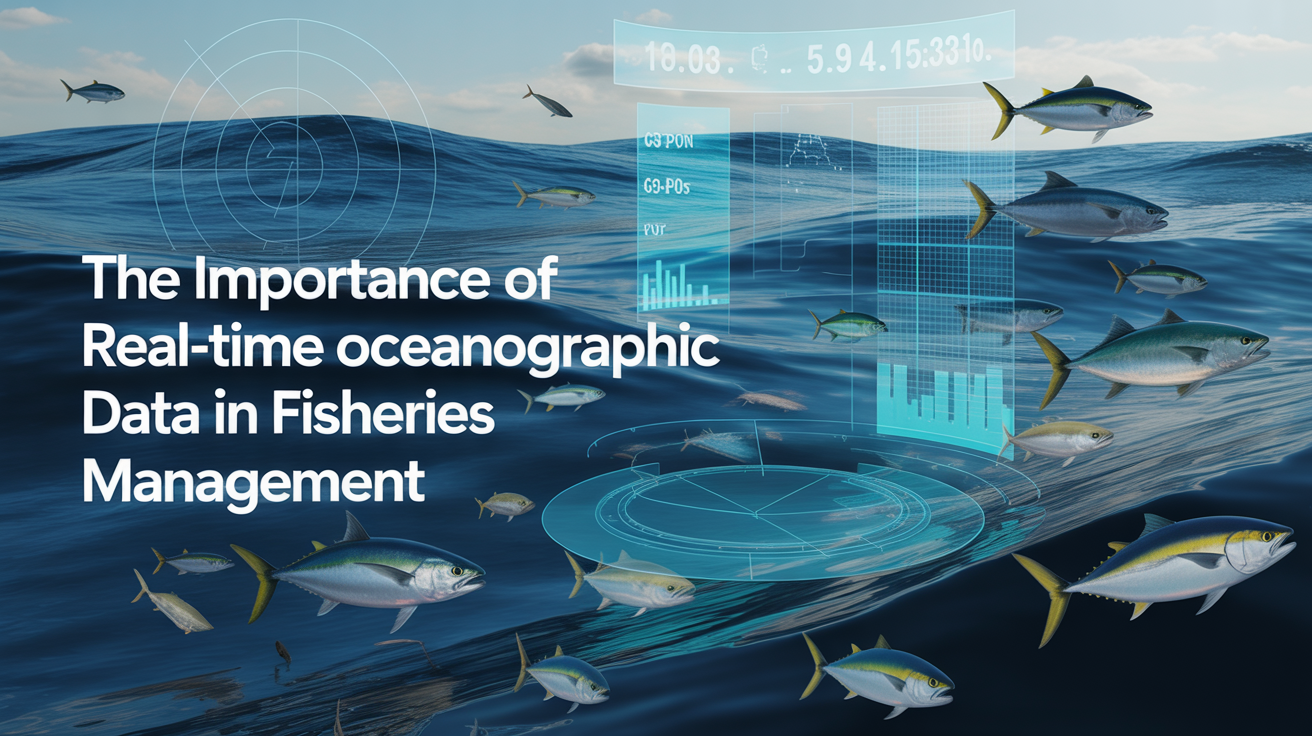
Real-Time Oceanographic Data and Fisheries Management
Ocean conservation isn’t just about protecting marine life it’s about sustainable fisheries management that can provide food, livelihoods, and ecosystem services for future generations. One of the most powerful tools in this effort is real-time oceanographic data. With it, fisheries managers can make informed decisions that balance resource use with environmental protection.
In this blog post, I’ll explore how real-time oceanographic data plays a critical role in fisheries management, the key types of data used, and how it supports sustainable practices. Plus, we’ll dive into the technologies that make it possible and the challenges in implementing these data-driven solutions.
Introduction to Fisheries Management
Fisheries management is crucial for ensuring that fish populations remain healthy and sustainable, supporting both the environment and human communities. But without accurate and timely data, managing these resources is like trying to drive a car without a dashboard you're just guessing.
What Is Fisheries Management?
At its core, fisheries management involves regulating the fishing of marine species to prevent overfishing, protect ecosystems, and ensure that future generations can benefit from the ocean’s resources. This involves setting fishing quotas, establishing protected areas, and monitoring fish stocks, among other activities.
The challenge, however, is that marine ecosystems are complex and constantly changing, making informed decision-making essential. This is where real-time ocean data comes in.
The Role of Oceanographic Data in Fisheries
Oceanographic data provides the critical insights needed to make those informed decisions. By monitoring ocean conditions like temperature, salinity, and currents, fisheries managers can better understand how these factors impact fish populations and their environments. It’s not just about knowing how many fish are out there; it’s about understanding the dynamic factors that influence their behavior, migration, and reproduction.
Key Takeaways
- Real-time oceanographic data is essential for sustainable fisheries management.
- It enables data-driven decision-making, improving fish stock management and policy advocacy.
- Technologies like satellites and AUVs play a crucial role in data collection and monitoring.
Why Real-Time Oceanographic Data Is Crucial
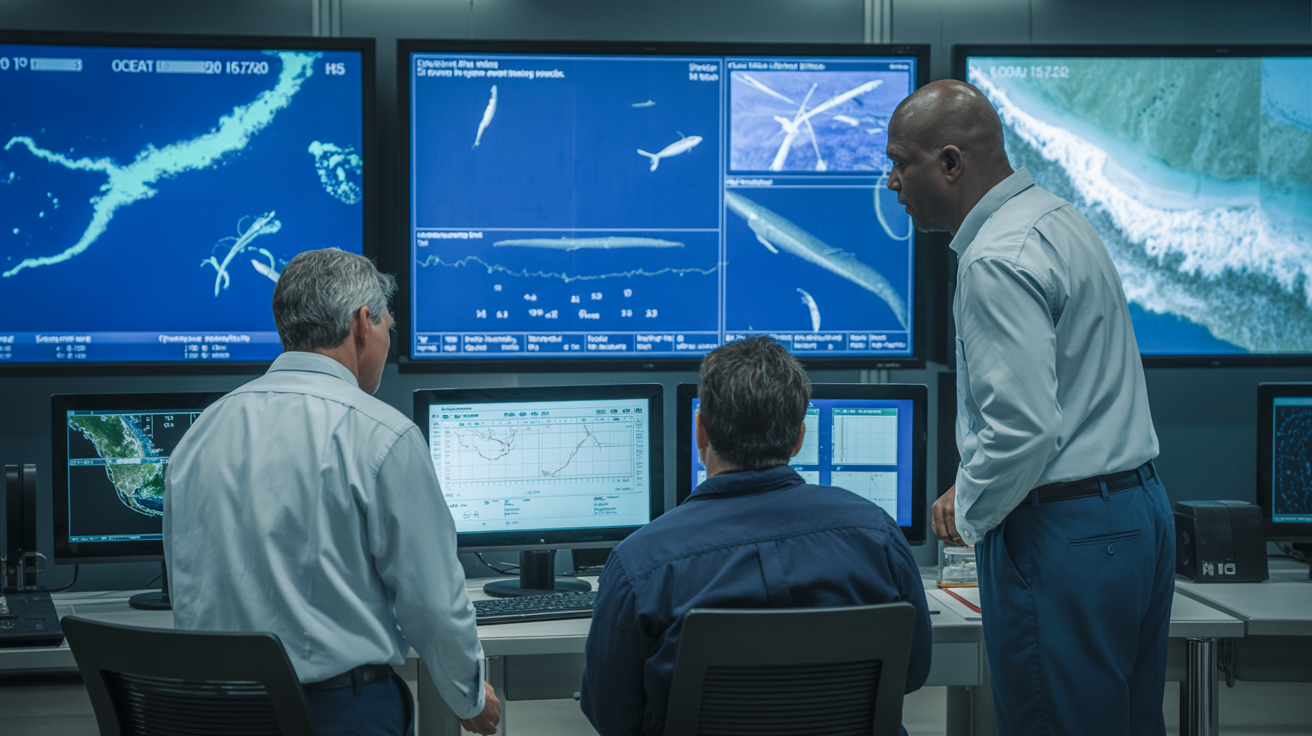
Real-time data allows fisheries managers to respond to changes in the ocean ecosystem as they happen. Without it, their decisions would be based on outdated or incomplete information, leading to potential overfishing or ecosystem degradation.
Enhancing Immediate Decision-Making
One of the greatest advantages of real-time ocean data is that it enables immediate decision-making. For example, if a sudden change in water temperature is detected, fisheries managers can adjust fishing quotas or close certain areas to protect vulnerable species from overfishing or migration disruption.
This ability to respond quickly ensures that fisheries management is adaptive and proactive, rather than reactive.
Supporting Sustainable Fisheries Practices
Real-time data also supports sustainable fisheries practices by providing the information needed to implement responsible fishing methods. This includes avoiding overfishing in specific areas and ensuring that fish populations are replenished before the next harvest. The data helps balance the demand for fish with the need to maintain ecosystem health.
Key Types of Oceanographic Data Used in Fisheries
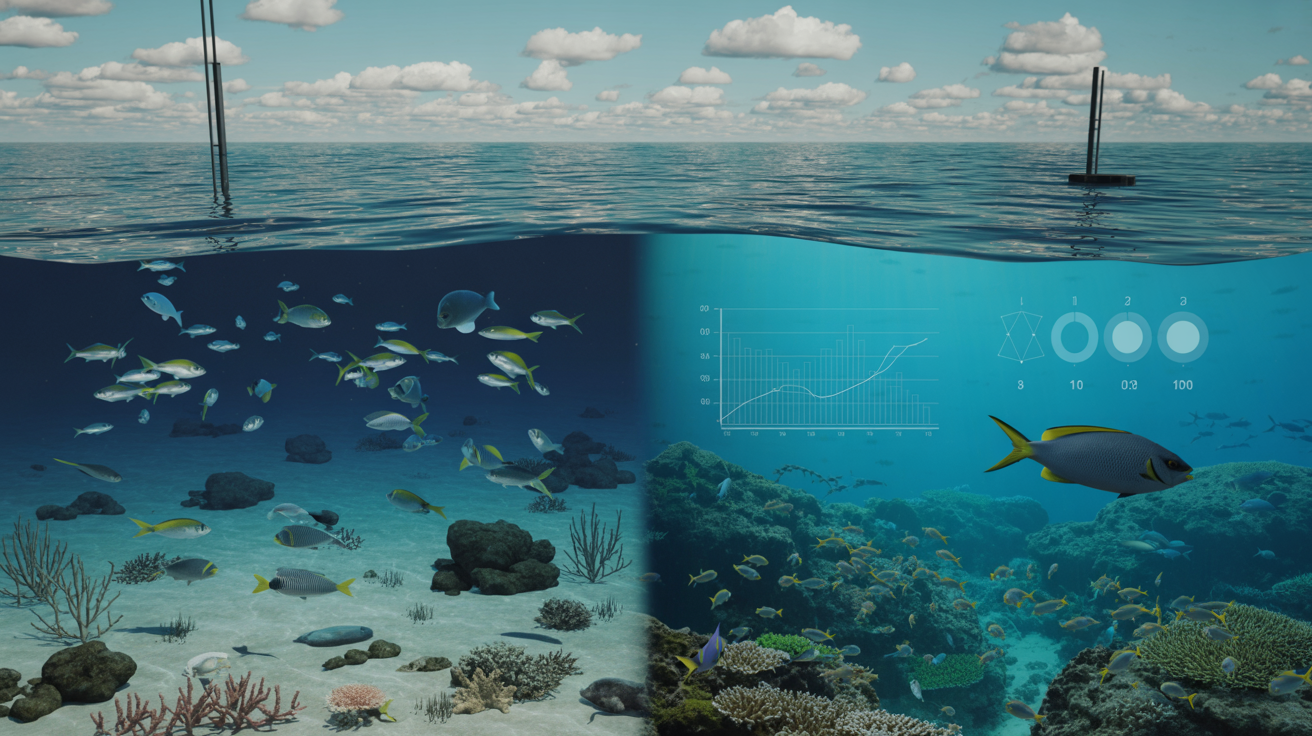
There are several types of oceanographic data that NGOs, researchers, and fisheries managers use to monitor and manage fisheries. These data types provide insights into ocean health and help guide conservation efforts.
Ocean Temperature and Salinity Data
Ocean temperature and salinity are critical for understanding fish behavior, migration patterns, and spawning cycles. By tracking these variables in real-time, fisheries managers can identify areas where fish are likely to migrate or breed, enabling better planning for fishing seasons and quotas.
Marine Biodiversity and Ecosystem Health Data
Marine biodiversity data tracks the variety and abundance of species in a given area. This data can identify areas of high biodiversity that may need protection or sustainable management. It’s essential for understanding the health of marine ecosystems and for implementing marine ecosystem monitoring.
Water Quality and Pollution Data
Water quality is directly linked to fish health and, by extension, fisheries productivity. Monitoring pollutants such as oil spills, plastic debris, and chemical runoff allows fisheries managers to identify and address threats to marine life before they escalate. This is particularly important in regions near industrial activity or heavy boat traffic.
How Real-Time Data Benefits Fisheries Management
The power of real-time oceanographic data lies in how it directly influences fisheries management. From managing fish stocks to protecting biodiversity, data-driven decisions are far more effective than relying on outdated information.
Improving Fish Stock Management and Sustainability
Real-time data helps fisheries managers track fish populations over time, providing early warnings if stocks are declining. This allows them to adjust fishing practices quickly, ensuring that populations remain healthy and sustainable.
With accurate data, managers can implement sustainable fisheries practices such as temporary closures or reduced catch limits in areas where stocks are low.
Reducing Bycatch and Protecting Sensitive Species
By using real-time data to track the movement of fish and other marine species, fisheries managers can minimize bycatch the unintentional capture of non-target species. This data helps identify high-risk areas where bycatch is more likely to occur, allowing fisheries to avoid these areas or adjust fishing methods accordingly.
Enhancing Fisheries Monitoring and Enforcement
With access to up-to-date data, NGOs and governments can better enforce fisheries regulations. For instance, satellite-based monitoring of fishing vessels in real-time ensures that they adhere to fishing quotas and restricted zones. This helps prevent illegal, unreported, and unregulated (IUU) fishing practices.
Technologies Supporting Real-Time Oceanographic Data
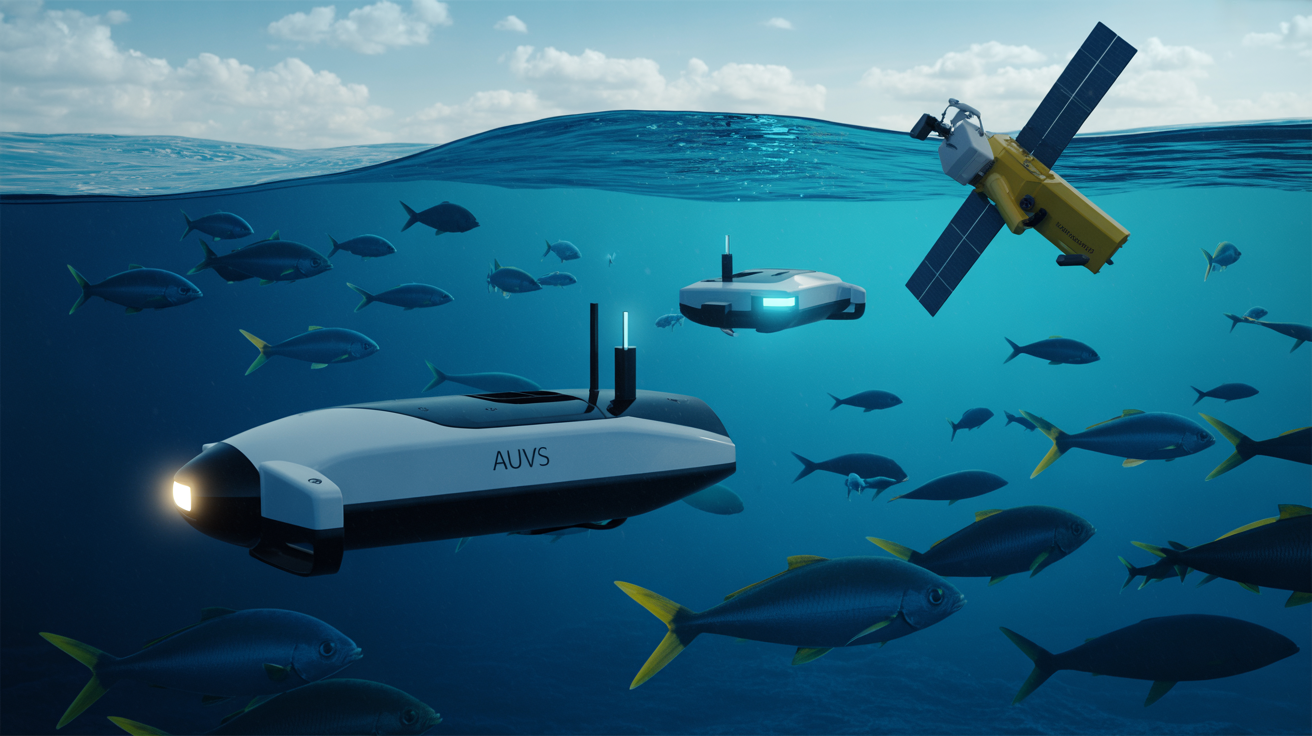
The ability to collect and analyze real-time oceanographic data wouldn’t be possible without advanced technologies. Several innovative tools are transforming ocean conservation and fisheries management.
Satellite Remote Sensing and Data Collection Tools
Satellites are a game-changer in ocean monitoring. They can provide large-scale, real-time data on various ocean conditions, including temperature, chlorophyll levels, and pollution. These data sets help fisheries managers track changes across vast ocean areas that would otherwise be difficult to monitor.
Autonomous Underwater Vehicles (AUVs) and Sensors
AUVs and sensors collect high-resolution data from underwater environments. These devices are capable of measuring water quality, biodiversity, and fish movement, providing real-time insights into ocean health. They are especially useful for monitoring remote areas that are difficult to access by other means.
Challenges in Using Real-Time Data for Fisheries
While real-time ocean data offers tremendous benefits, there are challenges in its use.
Data Accuracy and Integration Issues
Not all data is created equal. Inconsistent or inaccurate data can lead to poor decision-making. Integrating data from different sources such as satellites, AUVs, and ground-based sensors can also be challenging, requiring sophisticated technology and expertise.
Technological and Financial Barriers in Data Access
Access to cutting-edge monitoring tools like satellites and AUVs can be costly. Many NGOs and smaller fisheries may not have the resources to implement these technologies on a large scale. Funding and technological support are crucial for expanding access to real-time ocean data.
The Future of Real-Time Oceanographic Data in Fisheries
As technology continues to evolve, the future of real-time oceanographic data in fisheries management looks bright. New technologies, better data networks, and growing international collaboration will allow for more precise and efficient fisheries management.
Advancements in Ocean Monitoring Technology
Emerging technologies like AI and machine learning will enhance the analysis of real-time ocean data, enabling faster decision-making and more accurate predictions. These technologies will also improve data integration, making it easier for fisheries managers to work with large, complex datasets.
Expanding Global Data Networks for Better Management
As more countries adopt ocean data collection tools and share data through international networks, the scope of fisheries management will expand. Global cooperation will allow for more synchronized efforts to protect marine resources and ensure sustainability.
Conclusion: Enhancing Fisheries Management with Data
The role of real-time oceanographic data in fisheries management cannot be overstated. By providing accurate, timely insights into ocean conditions, data is revolutionizing how we manage fish stocks, protect marine ecosystems, and fight illegal fishing. As technologies improve and data networks expand, NGOs and fisheries managers will have the tools they need to make smarter, more effective decisions for the future of our oceans.
Explore Ocean Data Insights for Conservation Efforts 👉 https://oceanography.com/
FAQs
1. What is real-time oceanographic data?
It’s data collected from oceans in real-time, providing insights into various ocean conditions like temperature, salinity, and pollution.
2. How do NGOs use ocean data for fisheries management?
NGOs use data to monitor fish stocks, track pollution, and ensure sustainable fishing practices through informed decision-making.
3. What technologies are used to collect real-time ocean data?
Technologies like satellites, autonomous underwater vehicles (AUVs), and remote sensors are used to collect real-time ocean data.
4. Why is data important in fisheries management?
Data helps fisheries managers make informed decisions to sustain fish populations and prevent overfishing.
5. How does ocean temperature data help in fisheries management?
Ocean temperature data helps track fish migration patterns and breeding behaviors, allowing for more precise management.
6. What is bycatch, and how is it minimized?
Bycatch is the capture of non-target species. Real-time data helps identify areas with high bycatch risks, enabling better management.
7. What are the challenges in using ocean data for conservation?
Challenges include data accuracy issues, integration difficulties, and the high cost of advanced monitoring technologies.
8. How can real-time ocean data help with illegal fishing?
By tracking fishing vessels in real-time, authorities can detect illegal fishing activities and enforce regulations more effectively.
9. What is the role of AUVs in ocean data collection?
AUVs collect high-resolution data from underwater environments, helping to monitor fish populations and water quality.
10. How will real-time ocean data improve the future of fisheries management?
Advancements in technology will lead to better data integration, faster decision-making, and more efficient management practices globally.
