
23Dec
How Ocean Data Fuels Climate Change: Research
Introduction: The Vital Role of Ocean Data in Climate Change

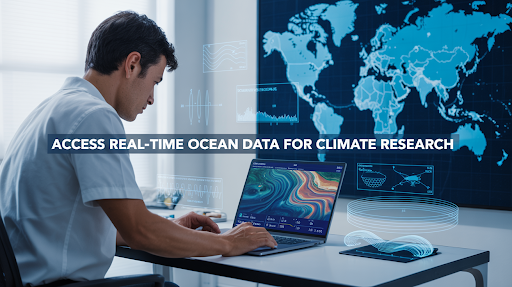
The ocean is often called the heart of Earth’s climate system. Its vast expanse regulates global temperature, supports marine life, and plays an essential role in the carbon cycle. For researchers studying climate change, real-time ocean data is an indispensable tool for understanding how our planet is changing and what it means for the future. From sea-level rise to the impacts on marine biodiversity, ocean data helps scientists make sense of complex climate systems and predict future environmental shifts.
Why Ocean Data is Crucial for Understanding Climate Change
Ocean data plays a central role in climate change research because the ocean is a primary driver of climate patterns. Ocean temperature affects weather systems, while ocean currents transport heat around the globe, influencing everything from rain patterns to the strength of hurricanes. Without real-time ocean data, scientists would be flying blind, unable to track the key indicators of climate change or make accurate predictions.
- Tracking the Ocean’s Heat: Oceans absorb about 90% of the excess heat from global warming, making ocean temperature data essential for understanding how quickly the planet is warming.
- Carbon Sequestration: Oceans also act as a carbon sink, absorbing a significant amount of carbon dioxide (CO2) from the atmosphere. Monitoring ocean carbon helps scientists gauge the ocean’s capacity to mitigate climate change.
- Marine Ecosystem Health: By tracking oceanic conditions such as temperature, salinity, and acidification, ocean data helps scientists understand how climate change is affecting marine life and ecosystems.
Key Takeaways
- Ocean data is critical for understanding climate change because oceans regulate the Earth's temperature, weather patterns, and carbon cycle.
- Real-time data on ocean temperature, currents, and carbon absorption helps scientists track climate change and predict future trends.
- Ocean data platforms like NOAA and Copernicus provide invaluable resources for researchers monitoring environmental shifts.
What is Ocean Data and How is it Collected?
Ocean data refers to the information collected about the physical, chemical, and biological properties of the ocean. This data is collected through a variety of methods and instruments, from satellites in space to sensors placed deep in the ocean. Researchers use this data to monitor changes in the ocean that are indicative of climate change, such as rising sea levels, warming waters, and changes in marine life.
Types of Ocean Data Collected for Climate Research
Ocean data can be divided into several categories, each providing unique insights into different aspects of the ocean’s role in climate change.
Ocean Temperature Data
Ocean temperature data is one of the most critical components of climate change research. Oceans absorb vast amounts of heat from the sun, and as global temperatures rise, so do ocean temperatures. By monitoring ocean temperature at various depths, researchers can track warming trends and understand how these changes impact weather patterns, marine life, and the carbon cycle.
Ocean Salinity and Carbon Data
Salinity is another key factor in climate change research. Changes in salinity levels can affect ocean currents, which in turn influence weather systems. Similarly, carbon data is crucial for understanding how much carbon dioxide is being absorbed by the ocean and how this contributes to the carbon cycle. Higher salinity in some areas can signal changes in freshwater input, often linked to climate change.
Key Instruments and Technologies Used for Data Collection
Collecting ocean data requires sophisticated technologies and instruments capable of operating in challenging environments.
Satellites and Remote Sensing Tools
Satellites are essential for monitoring ocean conditions from space. They capture data on sea surface temperature, salinity, sea-level rise, and even chlorophyll concentrations. Instruments like the Ocean Surface Topography Mission (OSTM) and NASA’s MODIS satellite provide a comprehensive overview of oceanic conditions across the globe.
Ocean Buoys and Autonomous Vehicles
Ocean buoys are floating devices that measure temperature, salinity, and currents at different depths of the ocean. Autonomous underwater vehicles (AUVs) are also used to collect data from deeper parts of the ocean, areas that satellites and buoys can’t reach. These tools play an essential role in gathering real-time ocean data that is used to track environmental changes.
The Impact of Ocean Temperature on Climate Change
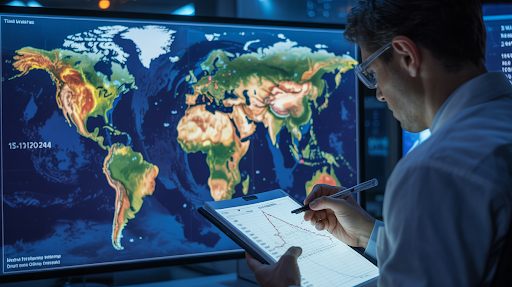
The ocean's temperature is a powerful indicator of climate change. As the planet warms, the oceans absorb more heat, leading to rising sea temperatures and altering weather patterns across the globe.
Ocean Heat Content and Global Warming
As much as 90% of the excess heat caused by global warming is absorbed by the oceans. Tracking ocean heat content is critical for understanding how much heat the Earth is storing and its long-term impact on the climate. Rising ocean temperatures are linked to more extreme weather events, such as hurricanes and heatwaves, which are becoming more frequent as climate change accelerates.
Effects of Rising Sea Temperatures on Weather Patterns
Warmer ocean waters influence atmospheric conditions, leading to changes in rainfall patterns, the intensity of storms, and the frequency of droughts. By monitoring sea surface temperatures, researchers can predict shifts in weather patterns and assess the potential impacts on agriculture, water resources, and communities worldwide.
How Ocean Currents Affect Climate and Weather Systems
Ocean currents play a vital role in regulating the Earth’s climate. These currents help distribute heat around the planet, acting like a giant conveyor belt that moves warm water from the equator toward the poles and cold water from the poles toward the equator.
Role of Ocean Currents in Heat Distribution
Ocean currents help maintain global temperature balance by transporting warm water to colder regions. For instance, the Gulf Stream brings warm water from the Caribbean to the North Atlantic, moderating the climate in Northern Europe. Changes in these currents can have significant effects on regional climates, leading to cooler or warmer conditions in certain areas.
The Atlantic Meridional Overturning Circulation (AMOC)
One of the most important ocean currents is the Atlantic Meridional Overturning Circulation (AMOC), which is responsible for moving warm water from the tropics to the North Atlantic. The weakening of AMOC due to warming temperatures is a significant concern for climate researchers, as it could disrupt weather patterns, lead to sea-level rise along the U.S. East Coast, and trigger more extreme weather events.
Ocean Carbon Absorption and Its Effect on Climate Change
The ocean acts as the Earth’s largest carbon sink, absorbing a substantial amount of the carbon dioxide (CO2) emitted by human activities. This ability of the ocean to absorb and store carbon plays a crucial role in mitigating climate change.
The Role of Oceans in Carbon Sequestration
Ocean ecosystems, particularly phytoplankton, play a key role in capturing CO2 through the process of carbon sequestration. Phytoplankton absorb CO2 from the atmosphere during photosynthesis, and some of this carbon is then transported to the deep ocean, where it is stored for centuries. Understanding this process is essential for assessing the ocean’s role in mitigating climate change.
Monitoring Ocean Carbon to Understand Emissions
Real-time monitoring of ocean carbon levels helps scientists understand how much carbon is being absorbed and how it is distributed across different ocean layers. By tracking changes in ocean carbon, researchers can better predict the ocean’s capacity to act as a carbon sink and how future carbon emissions will affect climate change.
Using Real-Time Ocean Data for Climate Modeling and Predictions
Real-time ocean data is crucial for building climate models and making accurate climate predictions. These models help scientists forecast how climate change will unfold in the future and guide policymakers in making informed decisions.
Data Models and Simulations for Predicting Future Climate Scenarios
By integrating real-time ocean data into climate models, researchers can simulate future climate scenarios, including the potential impacts of rising sea levels, temperature shifts, and extreme weather events. These simulations help scientists predict how oceans will continue to change as the climate warms and what the long-term effects will be on human populations and ecosystems.
Real-Time Data Integration into Climate Change Forecasting
Real-time ocean data feeds directly into climate change forecasting models, allowing for immediate updates as new data becomes available. This real-time integration is crucial for improving the accuracy of climate projections and ensuring timely action to mitigate the impacts of climate change.
Ocean Data in Marine Ecosystem and Biodiversity Studies
The ocean’s ecosystems are deeply affected by climate change, with rising temperatures, acidification, and changes in salinity threatening marine life. Real-time ocean data plays an essential role in studying these changes and protecting marine biodiversity.
Impact of Climate Change on Marine Life and Ecosystems
Rising ocean temperatures, ocean acidification, and habitat destruction due to climate change are leading to declines in marine biodiversity. By monitoring ocean temperature and salinity, researchers can track the effects of these changes on coral reefs, fish populations, and other marine organisms.
How Ocean Data Helps in Marine Conservation Efforts
Real-time ocean data is a valuable tool in marine conservation. It helps conservationists identify critical areas for protection, track the health of marine ecosystems, and monitor the effectiveness of conservation efforts. By understanding how climate change impacts marine life, we can develop strategies to protect vulnerable species and habitats.
Challenges in Accessing and Using Ocean Data for Climate Research
While real-time ocean data is invaluable, accessing and utilizing it comes with its own set of challenges. Data accuracy, availability, and the high cost of data collection can hinder research efforts.
Data Accuracy and Availability Issues
One challenge in accessing ocean data is the accuracy of the data. Sensors and instruments can sometimes produce faulty readings, and the global availability of data is uneven, with some regions being under-monitored.
Technological and Financial Barriers to Data Collection
Ocean data collection is expensive and technologically challenging, particularly in remote or deep-ocean areas. Funding for large-scale ocean monitoring projects is limited, and researchers often face significant barriers in acquiring the necessary equipment and infrastructure.
The Future of Ocean Data and Climate Change Research
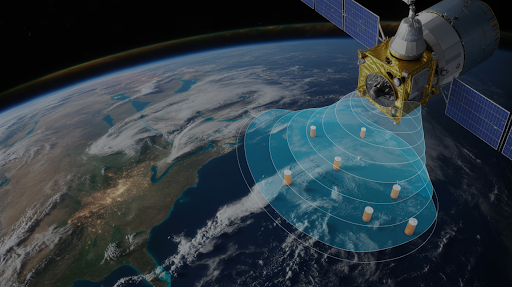
The future of ocean data collection looks promising, with advancements in technology and growing international cooperation.
Advancements in Ocean Data Collection Technologies
New technologies, such as autonomous underwater vehicles (AUVs), drones, and satellites, are making it easier to collect real-time data from previously inaccessible parts of the ocean. These innovations will improve the accuracy and breadth of ocean data collection, providing a more complete picture of the ocean’s role in climate change.
How Big Data and AI Will Shape Future Climate Research
Big data and artificial intelligence (AI) are revolutionizing climate research. By applying AI algorithms to vast datasets, researchers can uncover patterns in ocean data that were previously hidden, improving our understanding of ocean-climate interactions and enhancing climate change forecasts.
Conclusion: Leveraging Ocean Data for Effective Climate Action
Real-time ocean data is critical for understanding and addressing the challenges of climate change. By providing insights into the ocean’s role in heat distribution, carbon sequestration, and marine ecosystem health, ocean data enables researchers to make informed decisions and guide effective climate action. The continued collection and analysis of ocean data are vital for safeguarding the future of our planet.
Key Takeaways for Climate Change Researchers
- Ocean data is essential for tracking the impacts of climate change, including rising temperatures, sea-level rise, and shifts in marine ecosystems.
- Real-time ocean data provides critical insights that inform climate models and enable accurate predictions of future climate scenarios.
- The ocean’s role as a carbon sink is key to understanding how the oceans help mitigate climate change and how we can enhance this process.
Explore More Ocean Data for Your Research Unlock Real-Time Ocean Data Now.
Frequently Asked Questions (FAQs)
1. How does ocean temperature affect climate change?
Rising ocean temperatures contribute to global warming by absorbing excess heat from the atmosphere and altering weather patterns.
2. What types of ocean data are collected for climate research?
Ocean data includes information on temperature, salinity, carbon absorption, currents, and marine ecosystems.
3. How do ocean currents influence climate change?
Ocean currents transport heat around the globe, regulating temperatures and affecting weather patterns.
4. What is the role of oceans in carbon sequestration?
Oceans absorb large amounts of CO2 from the atmosphere, helping to mitigate the effects of climate change.
5. Why is real-time ocean data important for climate change forecasting?
Real-time ocean data provides immediate updates on ocean conditions, enabling accurate climate models and forecasts.
6. How does ocean acidification affect marine life?
Ocean acidification, caused by increased CO2, harms marine organisms like coral reefs, shellfish, and plankton.
7. What technologies are used to collect ocean data?
Technologies like satellites, ocean buoys, and autonomous underwater vehicles (AUVs) are used to collect ocean data.
8. How does climate change impact ocean ecosystems?
Climate change affects ocean ecosystems by causing warming waters, acidification, and disruptions to marine biodiversity.
9. How can ocean data help marine conservation efforts?
Ocean data helps identify critical areas for protection and track the health of marine ecosystems.
10. What challenges do researchers face when accessing ocean data?
Challenges include data accuracy, availability issues, and the high costs of data collection and technology.
