
20Jan
Top Oceanography Projects for University Students
Oceanography is more than just studying waves and marine life. It is about understanding how oceans shape climate, ecosystems, and even human survival. If you are a university student exploring this field, choosing the right project can feel overwhelming. I have been there. The good news is that oceanography projects for university students can be exciting, practical, and career shaping when chosen wisely.
In this guide, I will walk you through the best project ideas, how to choose the right one, and how to turn your project into something meaningful for both grades and future research.
Introduction to Oceanography Projects
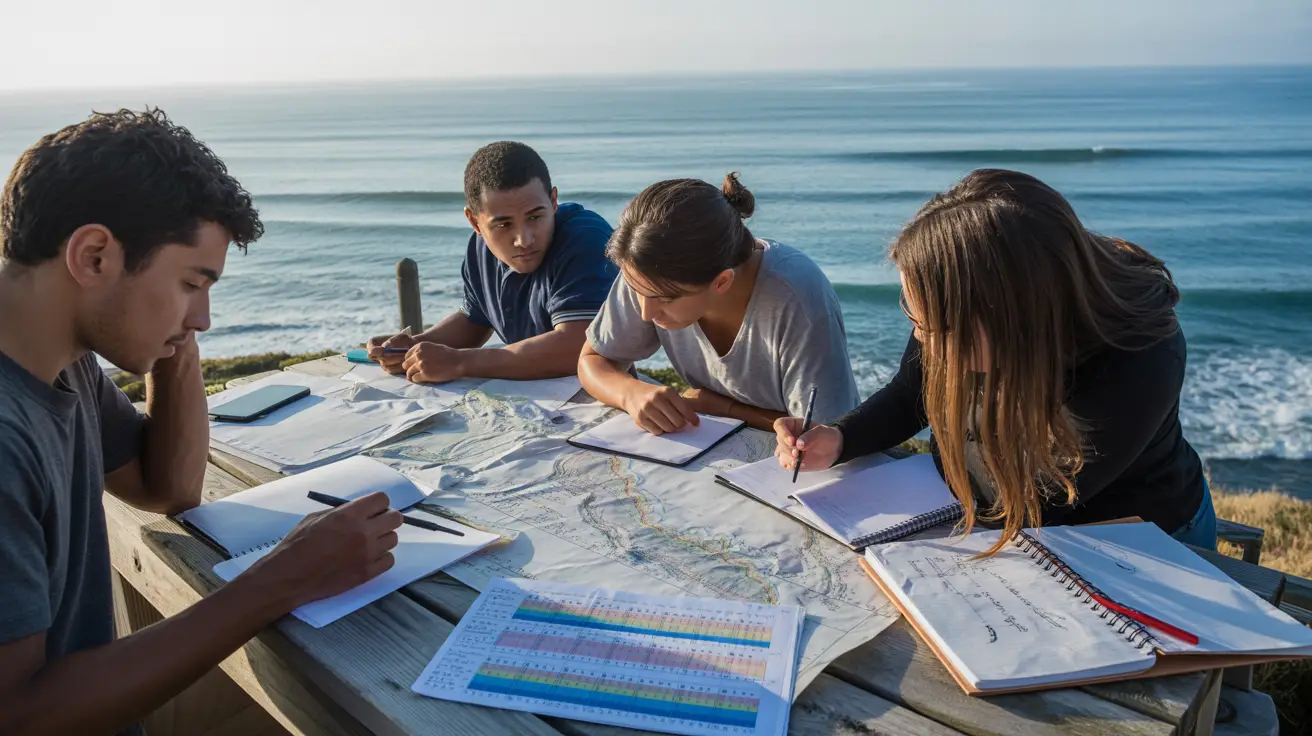
Oceanography projects are a core part of marine science education. They allow students to move beyond textbooks and apply theory to real world ocean systems. Whether you are analyzing data, collecting samples, or working in a lab, these projects help bridge the gap between learning and doing.
For many students, this is the first time ocean science truly comes alive. You are no longer memorizing terms. You are observing patterns, asking questions, and discovering how complex and interconnected ocean systems really are.
Why Oceanography Projects Matter in University
University level projects are designed to prepare students for real research and professional work. Student oceanography projects build scientific thinking, problem solving, and technical skills that lectures alone cannot provide.
These projects also help universities assess your ability to apply concepts, work independently, and communicate findings clearly. In many cases, a strong project can open doors to internships, scholarships, or graduate research opportunities.
Skills Students Gain from Oceanography Projects
Working on marine science projects teaches far more than ocean facts. You learn how to design experiments, analyze data, and interpret results. These are transferable skills valued across science, policy, and environmental sectors.
You also gain experience with tools like statistical software, field instruments, and scientific writing. Over time, this builds confidence and prepares you for advanced ocean science coursework or professional research roles.
How to Choose the Right Oceanography Project
Choosing the right project is just as important as doing the project itself. A good topic should match your academic level, available resources, and personal interests.
A poorly chosen project can feel like swimming against the current. The right one feels challenging but manageable.
Matching Projects with Academic Level
Not all oceanography research projects are suitable for every student. First year students should focus on observation based or data analysis projects, while senior students can handle experimental or interdisciplinary research.
If you are doing undergraduate oceanography research, choose a project that stretches your skills without overwhelming you. Complexity should grow with experience, not replace clarity.
Selecting Topics Based on Interest and Resources
Interest matters more than most students realize. A topic you enjoy will keep you motivated through data collection, analysis, and reporting.
At the same time, consider available resources. Access to labs, datasets, field locations, or supervisors will shape what is realistically possible. The best oceanography project ideas balance curiosity with practicality.
Top Oceanography Project Categories for Students
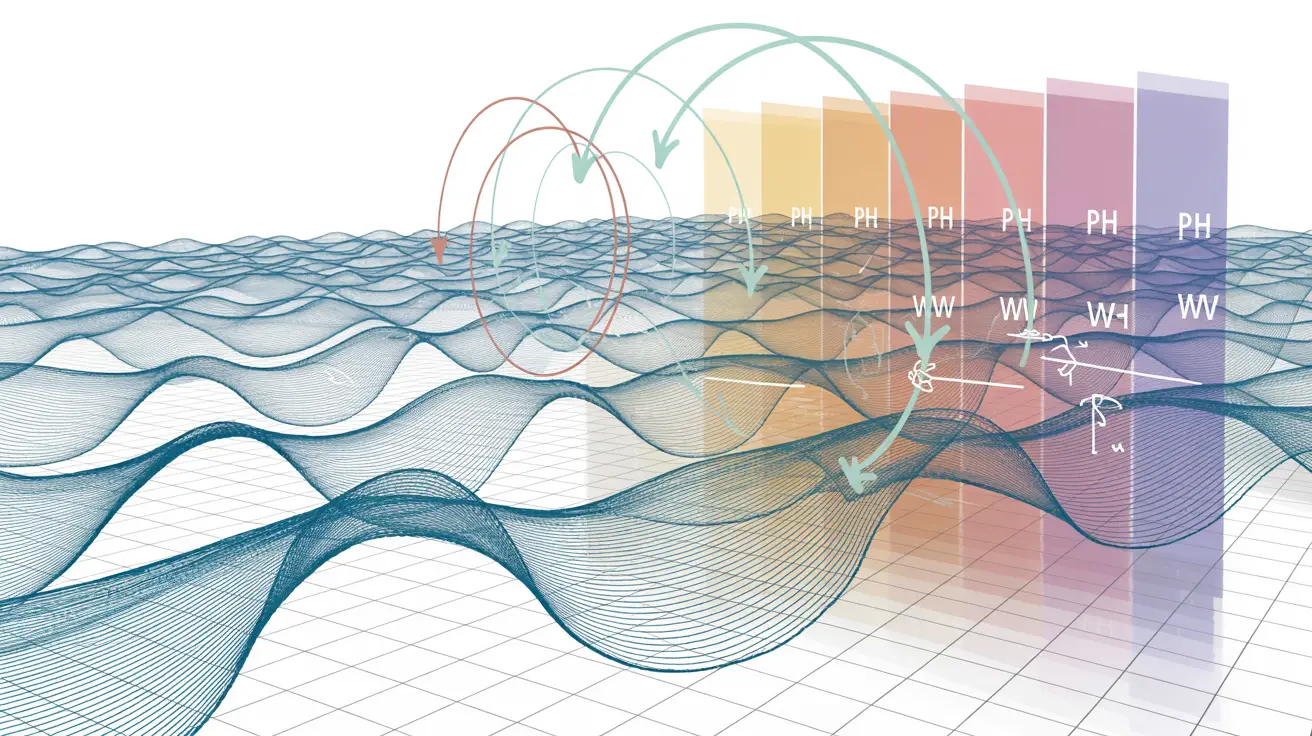
Oceanography is a broad field, and that is what makes it exciting. Below are the most popular and practical categories for students.
Physical Oceanography Project Ideas
Physical oceanography focuses on the movement and physical properties of seawater. These projects are ideal for students interested in physics, mathematics, and climate systems.
Ocean Currents and Circulation Studies
Projects on ocean currents explore how water moves across the globe and affects weather and ecosystems. Students often analyze current patterns using historical datasets or simulation models.
This type of work is excellent for understanding large scale processes and introduces students to ocean data projects used in real climate research.
Wave Dynamics and Coastal Processes
Wave focused projects examine how waves interact with coastlines, beaches, and human structures. These studies are especially relevant for coastal regions and erosion management.
They combine theory with real world applications, making them popular ocean studies projects for applied science students.
Chemical Oceanography Project Ideas
Chemical oceanography explores the composition of seawater and how chemical processes affect marine environments.
Ocean Acidification Experiments
Ocean acidification is one of the most urgent marine issues today. Students can design experiments or data analysis projects examining pH changes over time.
These ocean science experiments connect chemistry, biology, and climate change in a very practical way.
Nutrient Cycles in Marine Environments
Nutrient cycle projects study elements like nitrogen and phosphorus in marine systems. These projects help explain plankton growth, fisheries productivity, and ecosystem balance.
They are excellent marine research ideas for students interested in ecosystem health.
Biological Oceanography Project Ideas
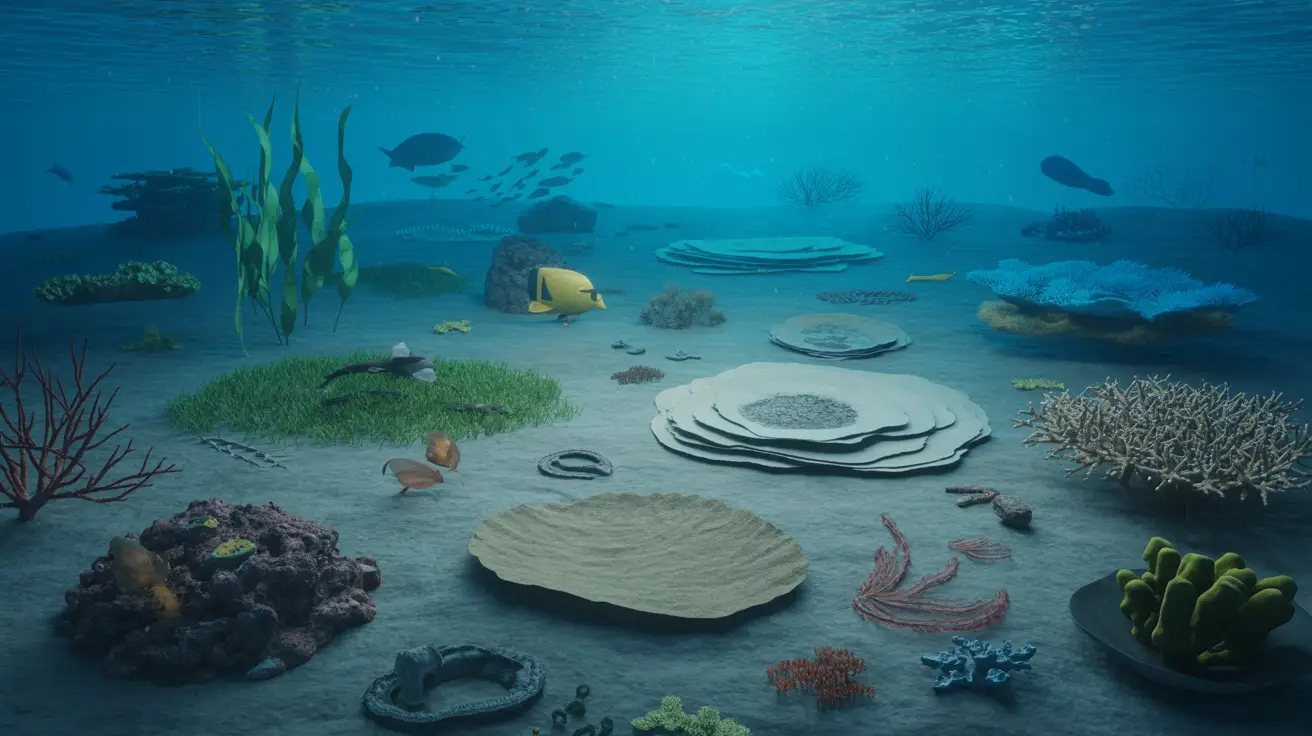
Biological oceanography focuses on life in the ocean, from microscopic plankton to coral reefs.
Marine Plankton Population Analysis
Plankton projects analyze population trends, diversity, and environmental responses. Many students use existing datasets, making this accessible even without fieldwork.
This is one of the most popular marine biology student projects because it combines data science with ecology.
Coral Reef Health Assessment
Coral reef studies assess reef condition, biodiversity, and stress factors. These projects are powerful because they link science with conservation.
They are ideal environmental ocean projects with strong real world impact.
Geological Oceanography Project Ideas
Geological oceanography explores the ocean floor and Earth processes beneath the sea.
Seafloor Mapping and Sediment Analysis
Seafloor projects analyze sediment types, distribution, and formation processes. Students often use bathymetric data or sediment samples.
This is a strong option for students interested in Earth science and engineering related oceanography.
Underwater Volcanic Activity Studies
These projects examine mid ocean ridges and volcanic processes. Even data based studies offer insight into how oceans shape the planet.
They are advanced but fascinating oceanography research projects.
Data Driven Oceanography Projects for Students
Data driven projects are becoming increasingly popular due to open access ocean datasets.
Using Ocean Data for Climate Research
Students can analyze temperature, salinity, or sea level data to study climate trends. These projects teach data literacy and critical thinking.
They are especially useful for students aiming for research or policy careers.
Satellite and Remote Sensing Based Projects
Remote sensing projects use satellite imagery to study ocean color, currents, or surface temperatures. These projects introduce students to modern research tools.
They are excellent examples of technology driven ocean data projects.
Field Based vs Laboratory Oceanography Projects
Both approaches have strengths, and the choice depends on goals and resources.
Advantages of Field Research Projects
Field projects offer hands on experience and direct interaction with marine environments. Students learn sampling techniques and real time observation skills.
These experiences are unforgettable and highly valued in marine science careers.
Lab Based Ocean Science Experiments
Lab projects focus on controlled experiments and detailed analysis. They are ideal when field access is limited.
Lab based ocean science coursework builds precision and analytical discipline.
Interdisciplinary Oceanography Project Ideas
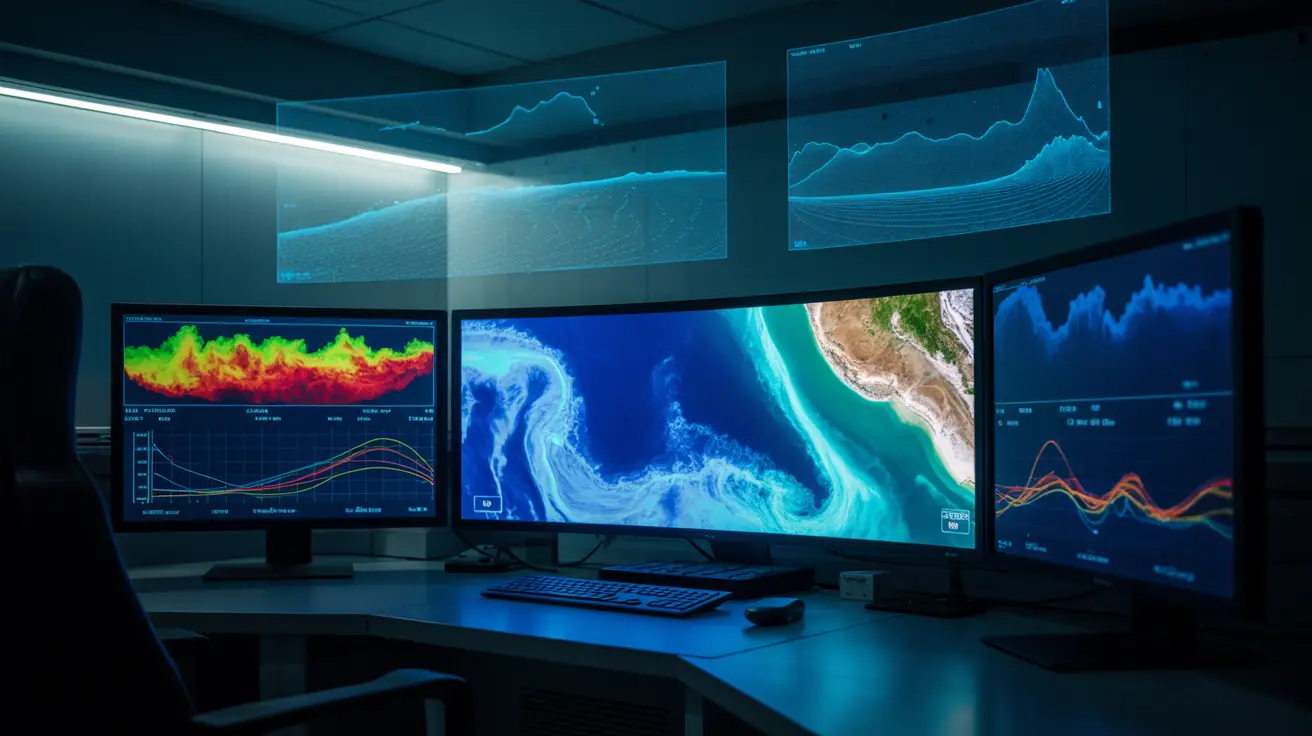
Modern oceanography often overlaps with other fields.
Oceanography and Climate Change
Climate focused projects study ocean warming, circulation changes, and sea level rise. These projects are highly relevant and impactful.
They also align well with global research priorities.
Oceanography and Marine Conservation
Conservation projects examine protected areas, biodiversity loss, or human impacts. These projects often influence policy and awareness.
They are meaningful marine science projects with long term value.
Final Tips for Successful Oceanography Projects
A good project is not just about the topic but how you execute it.
Project Presentation and Reporting
Clear structure, strong visuals, and simple explanations matter. A well presented project can elevate even a simple study.
Focus on storytelling backed by data.
Preparing for Future Research Opportunities
Think beyond grades. Choose projects that align with future goals. Many oceanography projects for university students become the foundation for theses or publications.
Conclusion
Oceanography projects are more than academic requirements. They are your first step into real marine science. By choosing the right topic, using the right tools, and staying curious, you can turn your project into a meaningful learning experience. Whether you love data, fieldwork, or conservation, there is a project that fits your passion and prepares you for the future.
Explore Oceanography Research & Student Resources 👉 https://oceanography.com/
FAQs
1. What are the best oceanography projects for university students?
The best projects match your academic level, interests, and available resources, such as data analysis, plankton studies, or coastal processes.
2. Can beginners do oceanography research projects?
Yes. Many student oceanography projects use existing datasets or simple experiments suitable for beginners.
3. Are field projects better than lab projects?
Both are valuable. Field projects offer hands on experience, while lab projects provide controlled analysis.
4. How do I choose between biological and physical oceanography?
Choose based on interest. Biology focuses on life, while physical oceanography focuses on water movement and physics.
5. Do oceanography projects require expensive equipment?
Not always. Many oceanography project ideas rely on open access data and basic tools.
6. Can oceanography projects help with future careers?
Yes. Strong projects improve research skills and strengthen graduate or job applications.
7. What role does data play in modern oceanography projects?
Data is central. Many ocean data projects focus on climate, circulation, and ecosystem trends.
8. Are interdisciplinary projects encouraged?
Yes. Projects combining climate science, conservation, or technology are highly valued.
9. How long should a university oceanography project take?
It depends on scope, but most undergraduate projects last one semester.
10. Can projects lead to publications?
In some cases, advanced undergraduate oceanography research can contribute to publications or conferences.
