
13Jan
10 Fascinating Facts About the Deep Ocean You Didn't Know
The deep ocean is one of Earth’s greatest mysteries, holding secrets and wonders we’ve only begun to uncover. It’s vast, mysterious, and teeming with life, yet much of it remains unexplored. Imagine this: more than 80% of the ocean remains unexplored, while we know more about the surface of the moon than the ocean’s depths. Intrigued? Let’s dive into 10 fascinating facts about the deep ocean that will completely change the way you think about our planet.
Introduction to the Deep Ocean
deep ocean
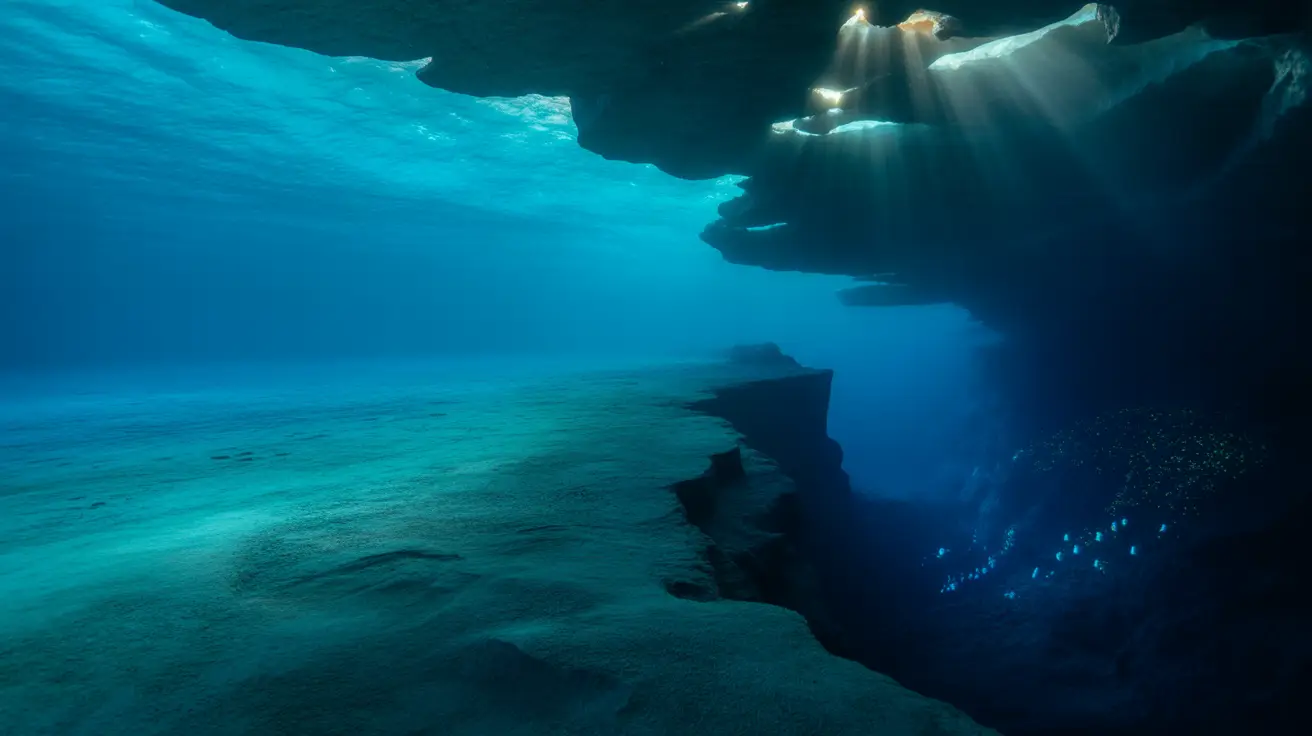
Before we begin our deep dive into the ocean's fascinating facts, it’s essential to understand what we're really dealing with. The deep ocean is often considered anything beyond 200 meters below the surface, where sunlight can no longer penetrate. As we venture deeper into the ocean, pressure increases, and temperatures drop, making it an extreme environment for both creatures and explorers alike.
Despite these challenges, the deep ocean is an incredible part of our planet. It’s home to millions of species, vast ecosystems, and plays a crucial role in regulating the Earth's climate. Let’s take a look at the ocean depths and explore the wonders that lie beneath.
What Lies Beneath the Surface
When you think about the ocean, you probably imagine clear blue waters, tropical fish, and maybe even coral reefs. But beneath the surface, there's a completely different world. The deeper you go, the stranger it gets. Deep ocean ecosystems are vastly different from those near the shore. The water is cold, pitch dark, and the pressure is crushing. Yet, life thrives in these extreme conditions.
The Vastness of the Ocean Depths
The ocean isn’t just a body of water; it’s a massive and varied system. Did you know that the deep ocean covers around 65% of the Earth's surface? To put it in perspective, the ocean’s depths are deeper than the tallest mountain on land—Mount Everest. If you placed Mount Everest at the bottom of the Mariana Trench, the deepest part of the ocean, it would still be over a mile below sea level!
Fact 1: The Deep Ocean Covers Most of Earth’s Surface

deep ocean
It’s no surprise that the deep ocean occupies most of our planet’s surface, but few realize just how massive it truly is. From the abyssal zone (4,000 to 6,000 meters deep) to the deepest trenches, the ocean holds a staggering amount of Earth’s volume and is essential for regulating our planet’s climate.
Ocean Depths and Their Scale
The deep ocean can reach depths of over 36,000 feet (11,000 meters) at its lowest point. This makes the ocean depths not only vast but also an essential component of Earth's natural processes.
How the Deep Ocean Compares to Land Areas
- The deep ocean is about 3 times larger than all of Earth’s land combined, yet it’s often forgotten when we talk about planetary geography.
- The abyssal plain, which is part of the deep ocean, spans roughly 40 million square miles. This is nearly the size of the entire landmass of all continents put together.
Fact 2: The Deep Ocean Is Home to Mysterious Creatures
The deep ocean ecosystem is home to a variety of unique and often bizarre creatures. From fish that can withstand extreme pressure to glowing jellyfish that illuminate the dark depths, the deep ocean is full of life you’ve likely never heard of.
Unique Species Found in the Abyssal Zone
Creatures like the giant squid, anglerfish, and deep-sea octopus call the abyssal zone their home. These animals have adapted to survive in one of the most hostile environments on Earth. Their adaptations include having the ability to produce light, withstand high pressure, and survive in near-freezing temperatures.
Examples of Deep Sea Life
- The Vampire Squid: Despite its name, this creature doesn’t suck blood but uses bioluminescence to confuse predators.
- The Goblin Shark: Known for its protruding, flat snout, this "living fossil" has been around for 125 million years.
Fact 3: Some Deep Sea Creatures Glow in the Dark
One of the most fascinating aspects of deep ocean life is bioluminescence, the ability of certain creatures to produce their own light. In the utter darkness of the deep ocean, some creatures glow like stars.
The Science Behind Bioluminescence
Bioluminescence occurs when a creature produces chemical reactions that release energy in the form of light. This adaptation helps many creatures find mates, attract prey, or defend themselves from predators in the lightless depths.
Creatures with Natural Light
- Anglerfish: With its glowing lure, it attracts unsuspecting prey.
- Firefly Squid: These creatures create a spectacular light show to communicate with each other.
Fact 4: The Deep Ocean Is a Giant Carbon Sink
The deep ocean plays an important role in regulating Earth’s climate by acting as a carbon sink. The ocean absorbs large amounts of carbon dioxide (CO2) from the atmosphere and stores it for centuries, helping to balance global carbon levels.
How the Ocean Absorbs Carbon Dioxide
The ocean absorbs CO2 through the process of ocean uptake, where gases dissolve in the surface waters and are eventually carried deep into the ocean by currents. This helps reduce the amount of CO2 in the atmosphere, mitigating climate change.
The Impact of Deep Ocean on Climate Change
The deep ocean ecosystem helps keep the Earth's temperature stable by regulating greenhouse gases. This makes the deep ocean vital in the fight against climate change.
Fact 5: The Deep Ocean Is Not Fully Explored
deep ocean
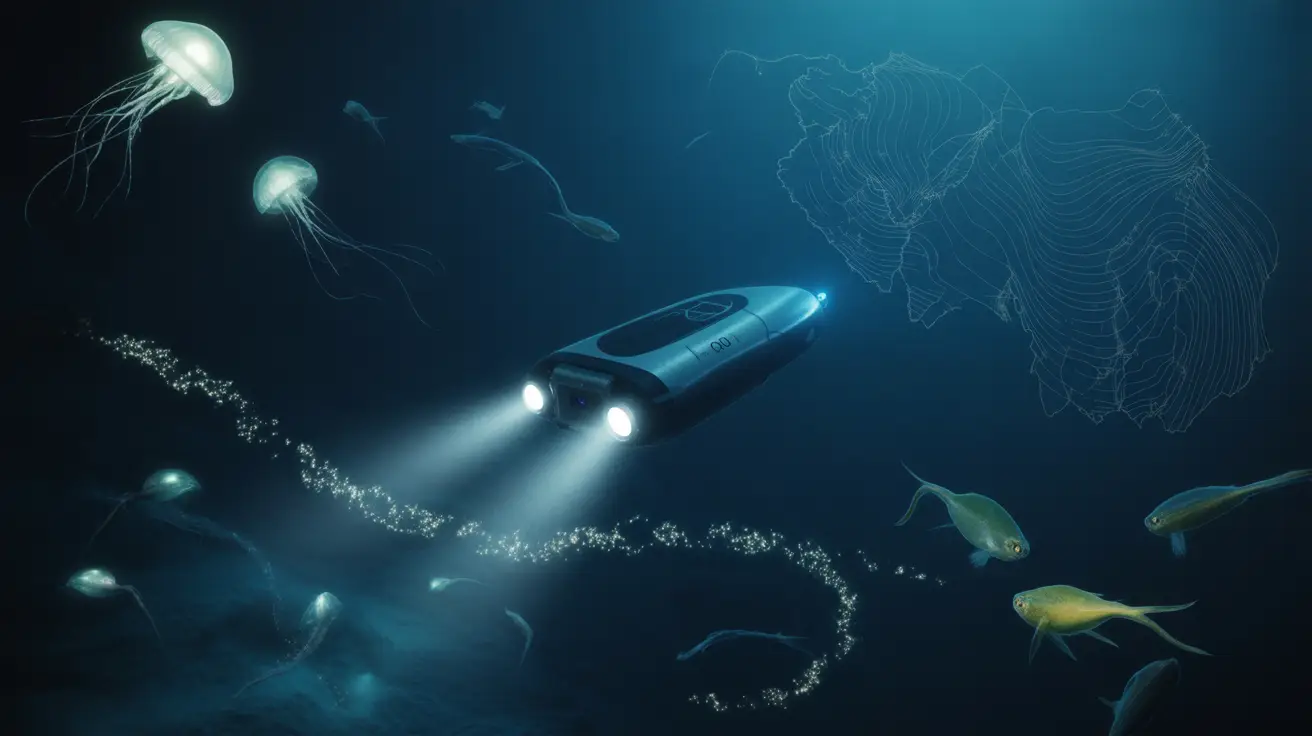
Despite advances in technology, the deep ocean remains largely unexplored. We have more detailed maps of Mars than we do of our own oceans! This vast, uncharted territory holds countless secrets waiting to be discovered.
The Challenges of Deep Ocean Exploration
Exploring the deep ocean is incredibly challenging. The pressure increases by thousands of pounds per square inch the deeper you go, and the darkness makes it difficult to study marine life. Plus, technology needed for exploration is expensive and still developing.
The Technologies Used to Explore the Depths
Today, we rely on submersibles, remotely operated vehicles (ROVs), and sonar mapping to explore the deep ocean. These technologies have allowed us to discover hidden ecosystems, shipwrecks, and species never before seen by humans.
Fact 6: The Deep Ocean Is Home to Underwater Volcanoes
Deep beneath the ocean’s surface, underwater volcanoes create dramatic landscapes and ecosystems. Hydrothermal vents, or "black smokers," spew hot, mineral-rich water into the surrounding sea, creating unique environments for marine life.
The Role of Hydrothermal Vents
Hydrothermal vents support ecosystems that thrive without sunlight. The organisms living around these vents have developed special adaptations, like using sulfur instead of sunlight for energy.
The Wonders of Ocean Floor Volcanism
The mid-ocean ridges, where tectonic plates meet, are home to some of the largest and most active underwater volcanoes. These areas are teeming with life and are crucial to understanding the deep ocean ecosystem.
Fact 7: The Deep Ocean Plays a Key Role in Earth’s Weather
The deep ocean affects more than just marine life it plays a central role in shaping global weather patterns and climates.
The Ocean’s Effect on Global Climate Systems
Ocean currents, which move warm and cold water around the globe, influence atmospheric conditions. These currents are key players in regulating weather systems, including rainfall patterns and temperature fluctuations.
Ocean Currents and Their Influence on Weather Patterns
Currents like the Gulf Stream and El Niño drive significant weather events across continents. The interaction between ocean temperatures and atmospheric conditions creates everything from monsoons to heatwaves.
Fact 8: Some Areas of the Ocean Are Completely Lightless
As you descend into the deep ocean, the sunlight disappears completely, plunging you into complete darkness. The midnight zone is where light never reaches, and this is where some of the most unique creatures live.
The Midnight Zone Explained
The midnight zone is the deepest part of the ocean, extending from about 1,000 meters to 4,000 meters below the surface. Without sunlight, this part of the ocean remains in perpetual darkness.
How Creatures Adapt to Life Without Sunlight
Creatures living in the midnight zone have evolved to thrive in the dark. They often have enhanced senses of smell, touch, and taste to compensate for the lack of light.
Fact 9: The Deep Ocean Holds Uncharted Shipwrecks
Throughout history, many ships have sunk into the ocean’s depths, leaving behind a treasure trove of unexplored shipwrecks. These sunken ships hold historical artifacts, and in some cases, they may even contain valuable resources.
The Mystery of Sunken Ships
From ancient ships lost during sea battles to modern vessels swallowed by storms, the deep ocean is littered with wrecks that are largely untouched by time. Some of these wrecks have been preserved in the cold, dark waters.
Historic Shipwrecks Found in the Deep Ocean
The discovery of famous wrecks, such as the Titanic, has opened up new areas of exploration in the deep ocean, revealing forgotten pieces of history.
Fact 10: The Deep Ocean Is a Resource for Future Medicine

deep ocean
The deep ocean is not only a fascinating place to explore; it’s also a potential goldmine for the future of medicine. Many marine organisms produce compounds that could lead to groundbreaking treatments.
Marine-Derived Compounds in Medical Research
Marine life, such as sponges and corals, produce chemicals that have shown promise in fighting diseases like cancer and Alzheimer’s. The deep ocean ecosystem could hold the cure for diseases that currently have no treatment.
Potential for New Discoveries in Pharmaceuticals
Scientists are only beginning to scratch the surface when it comes to discovering marine compounds that could revolutionize the pharmaceutical industry. The deep ocean could provide a wealth of new resources for medicine in the coming years.
Conclusion: The Deep Ocean’s Unsolved Mysteries
The deep ocean is truly one of the last frontiers on Earth. Its vastness, mysteries, and unique life forms continue to fascinate and inspire us. With each new discovery, we gain a deeper understanding of the complex, interconnected systems that make up our planet. From glowing creatures to underwater volcanoes, the deep ocean ecosystem is as vital to life on Earth as the air we breathe.
Explore the Deep Ocean Mysteries 👉 https://oceanography.com/
FAQs
1. What is the deep ocean?
The deep ocean refers to the parts of the ocean that are located below the photic zone, where sunlight can no longer penetrate. This includes the abyssal zone and hadal zone, which are extremely deep, cold, and high-pressure environments.
2. Why is the deep ocean ecosystem important?
The deep ocean ecosystem plays a crucial role in regulating Earth’s climate, absorbing carbon dioxide, and supporting unique species. It helps maintain balance in marine biodiversity, which impacts global weather patterns and oxygen levels.
3. How much of the deep ocean is unexplored?
Over 80% of the deep ocean remains unexplored. Despite advancements in technology, much of this vast underwater world remains a mystery, with new species and underwater features being discovered regularly.
4. What are some of the most unique deep-sea creatures?
Some unique deep sea creatures include the anglerfish, which uses bioluminescence to attract prey, and the vampire squid, which glows in the dark and has adapted to life in low-oxygen environments.
5. What is bioluminescence in deep ocean creatures?
Bioluminescence is the ability of certain creatures to produce their own light. This phenomenon occurs through chemical reactions within their bodies, helping them navigate, attract mates, and deter predators in the pitch-black depths of the ocean.
6. How does the deep ocean affect global climate?
The deep ocean plays a significant role in climate regulation by absorbing and storing carbon dioxide from the atmosphere. Ocean currents and thermal dynamics help regulate Earth’s temperature and weather patterns.
7. What are hydrothermal vents in the deep ocean?
Hydrothermal vents are underwater fissures that release mineral-rich hot water into the ocean. These vents create unique ecosystems where organisms thrive without sunlight, using the heat and chemicals from the vents to survive.
8. How do marine biodiversity and the deep ocean interact?
The deep ocean supports a diverse range of life, many of which cannot be found in shallower waters. Species living in this environment have adapted to extreme conditions, contributing to the overall marine biodiversity of the planet.
9. How are ocean currents linked to weather patterns?
Ocean currents play a critical role in distributing heat around the globe. They help regulate temperatures and influence weather patterns, such as the development of storms and the distribution of rainfall.
10. What role does the deep ocean play in Earth's carbon cycle?
The deep ocean acts as a giant carbon sink, absorbing large amounts of carbon dioxide from the atmosphere. This helps regulate the Earth’s carbon levels and contributes to controlling climate change.
