
6Jan
How Ocean Data Shapes Marine Conservation Policies
The ocean covers more than 70 percent of our planet, yet most of it remains unexplored. Still, every wave, current, and coral reef quietly collects information. That information, known as ocean data, is no longer sitting idle in research labs. Today, it plays a major role in shaping marine conservation policies across the globe.
I like to think of ocean data as the ocean’s own diary. It records what is happening beneath the surface and tells us what the ocean needs to survive. In this article, I will walk you through how ocean data and marine conservation are deeply connected, why this data matters, and how it influences real world decisions that protect marine life.
Key Takeaways
- Ocean data and marine conservation work together to guide smarter policies
- Long term ocean monitoring helps detect changes before damage becomes permanent
- Data driven decisions improve marine ecosystem protection
- Technology makes marine science data more accessible than ever
- Strong policies rely on accurate marine environmental data
Understanding Ocean Data in Modern Marine Science
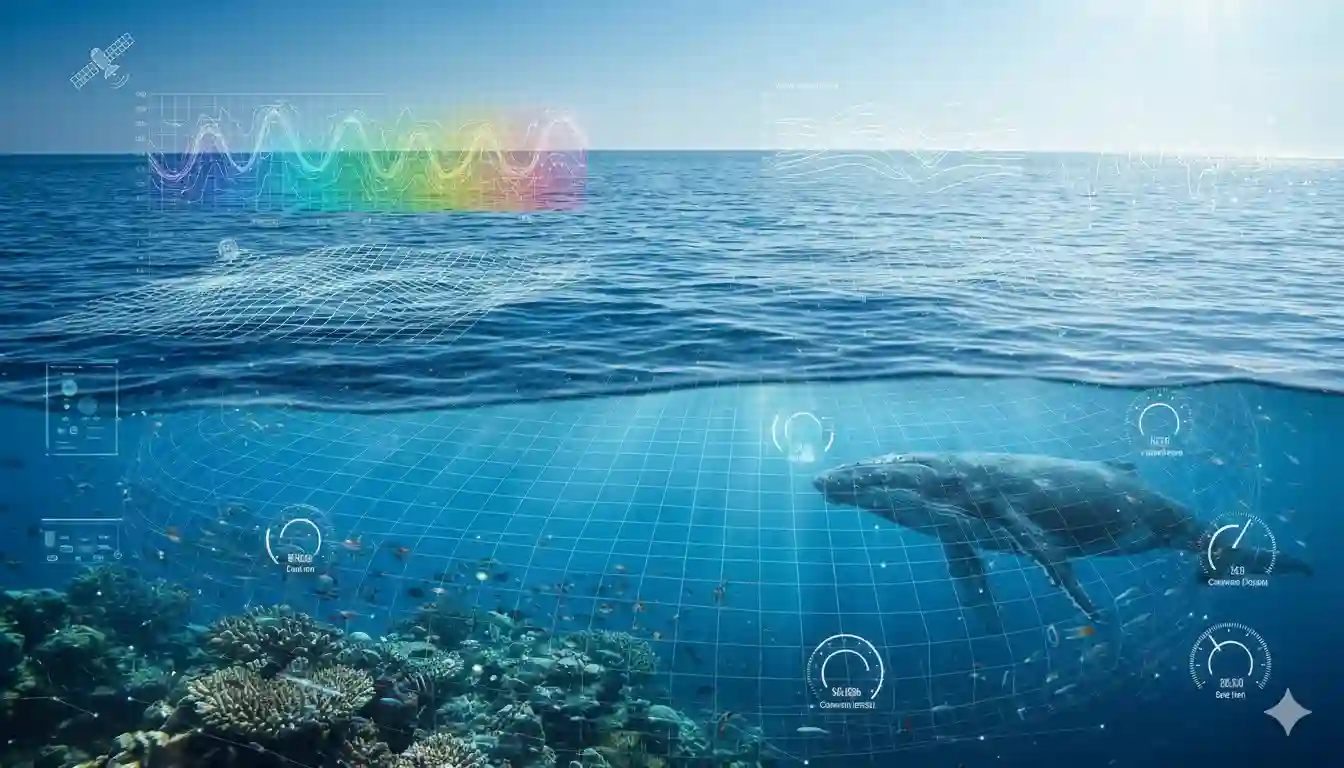
Modern marine science is no longer just about ships and notebooks. It is about numbers, patterns, and digital insights that help us understand the ocean as a living system. Oceanographic data has become the foundation of conservation planning.
Without reliable data, protecting the ocean would be like trying to fix a leak without knowing where the water is coming from. Data gives direction, clarity, and confidence to conservation efforts.
What Is Ocean Data
At its core, ocean data is information collected about ocean conditions. This includes temperature, salinity, currents, species movement, chemical composition, and more. Scientists gather this data to understand how oceans function and how they respond to stress.
This marine science data acts like a health report for the ocean. It shows what is normal, what is changing, and what needs urgent attention. Policymakers rely on these insights to make informed choices.
Types of Oceanographic Data Used in Conservation
Not all data tells the same story. Different types of marine environmental data reveal different aspects of ocean health, and together they create a complete picture.
Physical Ocean Data
Physical data includes temperature, currents, sea level, and wave patterns. These factors influence weather, climate, and habitat stability. Rising sea temperatures, for example, are a red flag for coral bleaching.
By tracking physical changes, conservation teams can predict risks and plan adaptive strategies for sustainable ocean management.
Chemical Ocean Data
Chemical data focuses on oxygen levels, acidity, nutrients, and pollutants. Ocean acidification and declining oxygen levels directly threaten marine life.
This data helps shape environmental policy making, especially when regulating pollution and carbon emissions.
Biological Ocean Data
Biological data tracks species populations, migration routes, and breeding patterns. It forms the backbone of marine biodiversity data.
When we know where species live and how they move, we can protect them more effectively.
Role of Ocean Monitoring in Marine Conservation
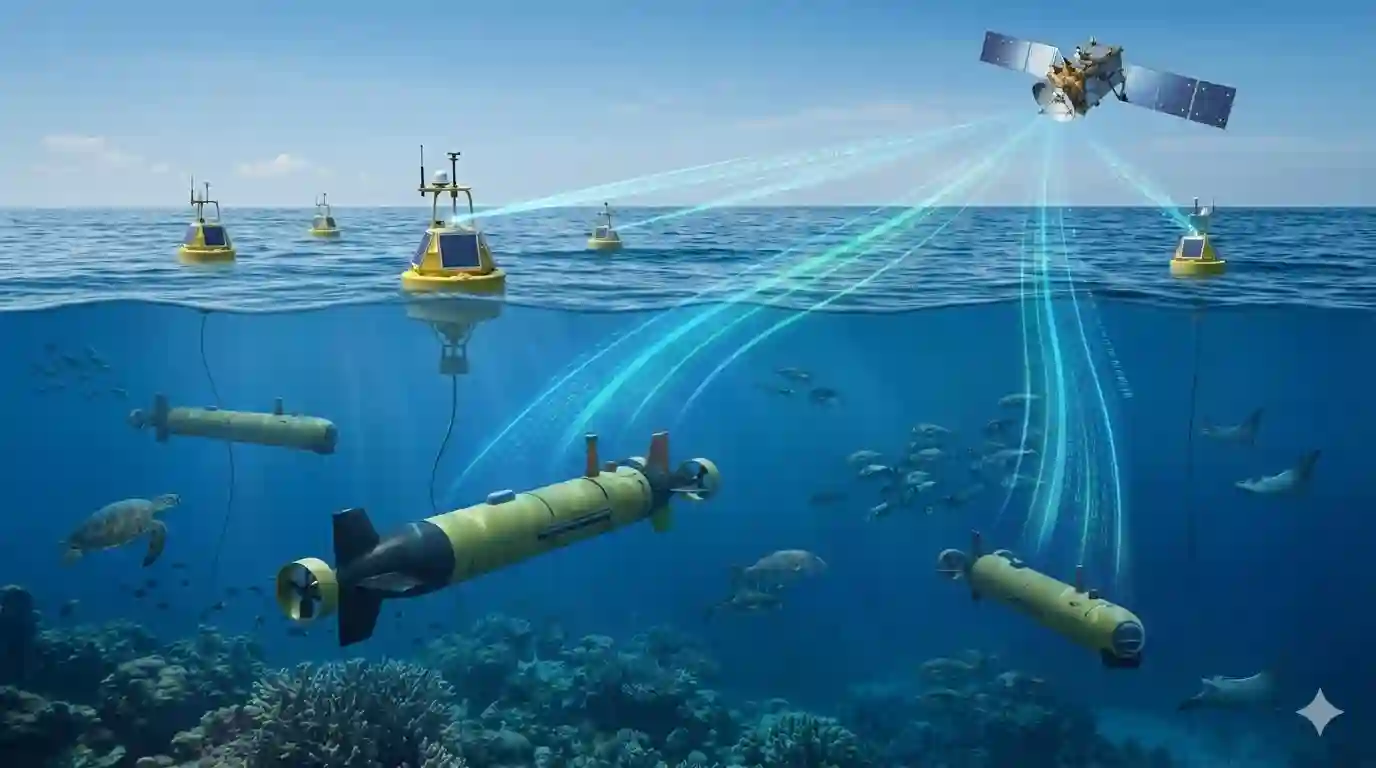
Ocean monitoring is like keeping a continuous pulse on the planet’s largest ecosystem. It ensures that conservation policies are based on real time evidence rather than assumptions.
Monitoring turns static data into living insights that evolve with the ocean itself.
Importance of Long Term Ocean Monitoring
Short term data only shows snapshots. Long term ocean monitoring reveals trends. It helps us understand whether changes are temporary or permanent.
This long view is essential for policy driven conservation, as it supports decisions that protect ecosystems for decades, not just years.
Ocean Data Collection Technologies
Technology has transformed how we collect and analyze data. From space to the seafloor, tools now work around the clock.
Satellite Based Ocean Observation
Satellites track sea surface temperature, algae blooms, and pollution spread. They offer a global view that no ship could match.
Satellite data strengthens marine data analysis and helps governments respond quickly to emerging threats.
Autonomous Underwater Vehicles and Sensors
Underwater drones and sensors explore deep ocean zones that humans cannot reach easily. These tools collect detailed ocean research for conservation.
They provide accurate data while minimizing disturbance to marine ecosystems.
How Ocean Data Informs Marine Conservation Policies
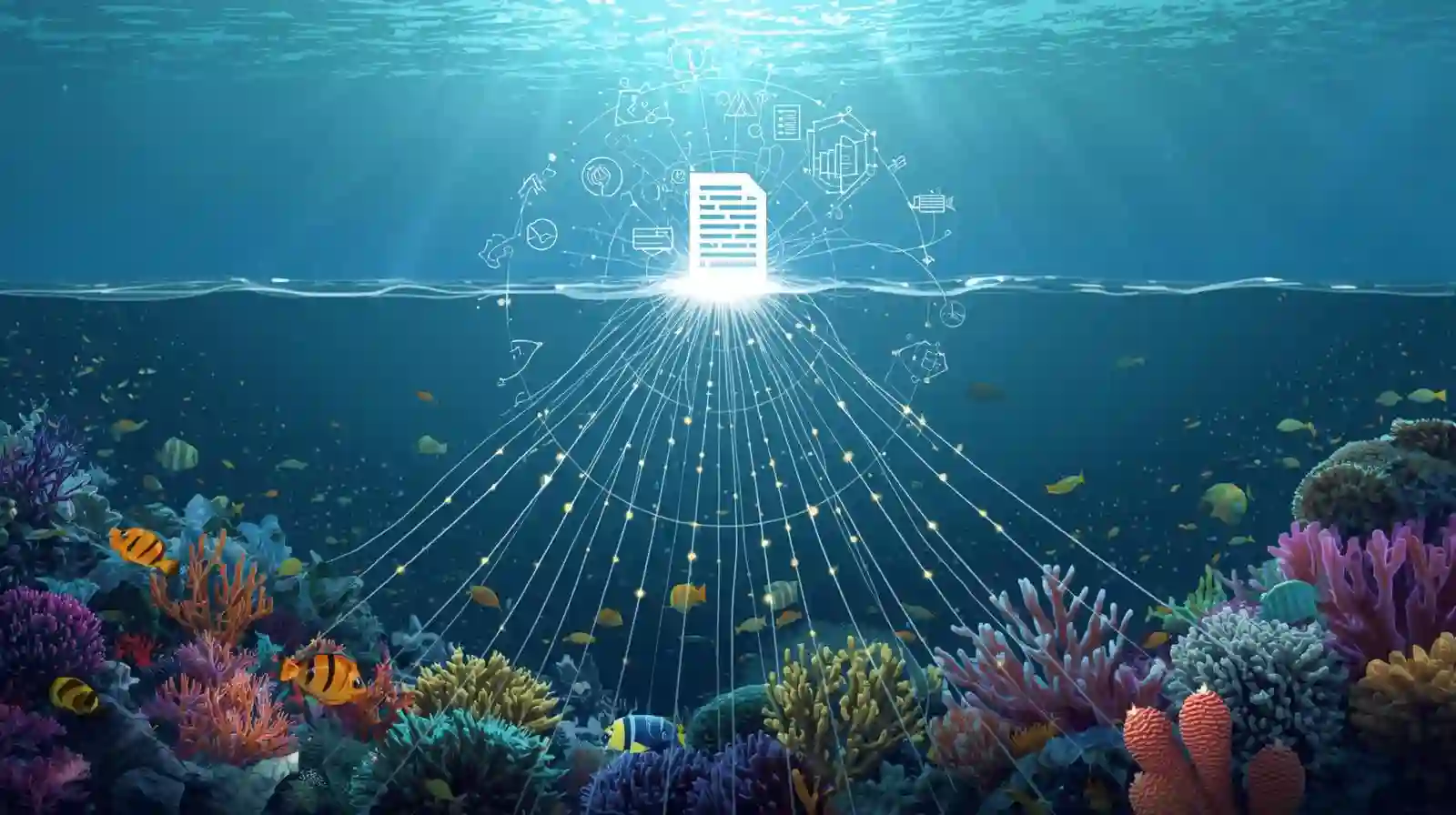
Policies are only as strong as the evidence behind them. Ocean data provides that evidence.
It shifts conservation from reactive responses to proactive planning.
Data Driven Policy Making in Marine Protection
Data driven policies rely on facts, not guesses. By using marine conservation policies rooted in science, governments reduce risks and improve outcomes.
This approach builds trust among stakeholders and supports smarter conservation decision making.
Identifying Threats to Marine Ecosystems
Ocean data helps pinpoint threats early, before damage becomes irreversible.
Climate Change Impacts on Oceans
Rising temperatures, melting ice, and changing currents are all captured in climate data oceans.
This information guides global agreements and national regulations aimed at protecting marine ecosystems.
Overfishing and Habitat Degradation
Fishing data reveals population declines and habitat stress. It helps enforce quotas and protect vulnerable areas.
Data driven fishing policies support both conservation and long term livelihoods.
Ocean Data and Marine Biodiversity Protection
Biodiversity is the heartbeat of the ocean. Protecting it requires precision and insight.
Ocean data provides both.
Tracking Marine Species and Habitats
GPS tagging, acoustic tracking, and visual surveys help scientists map species movements.
This marine ecosystem protection strategy ensures critical habitats receive legal protection.
Using Data to Design Marine Protected Areas
Marine protected areas work best when placed strategically. Data helps identify biodiversity hotspots and migration corridors.
Well designed protected areas balance conservation with human activity.
Challenges in Using Ocean Data for Policy Decisions
Despite its value, ocean data is not without challenges.
Understanding and applying it takes effort and collaboration.
Data Gaps and Accessibility Issues
Some regions lack consistent data due to funding or technical limits. These gaps weaken global conservation efforts.
Improving access to marine environmental data remains a key priority.
Translating Scientific Data Into Policy
Scientific language can be complex. Policymakers need clear summaries and practical insights.
Bridging this gap ensures research translates into effective action.
Future of Ocean Data in Marine Conservation
The future looks promising as technology and collaboration continue to grow.
Ocean data will become even more central to conservation strategies.
Advances in Marine Data Analysis
Artificial intelligence and machine learning are transforming marine data analysis.
They help detect patterns faster and improve predictions for ecosystem changes.
Strengthening Global Conservation Policies Through Data
Shared data platforms encourage international cooperation.
Global access to marine science data strengthens coordinated conservation efforts worldwide.
Conclusion
Ocean data is more than numbers on a screen. It is the ocean speaking to us, telling us what it needs to survive. When we listen carefully, we create smarter, stronger, and more effective marine conservation policies. By embracing ocean data and marine conservation together, we move closer to a future where oceans remain healthy, resilient, and full of life.
Learn More About Ocean Data & Conservation 👉 https://oceanography.com/
Frequently Asked Questions (FAQs)
1. What is ocean data and marine conservation?
Ocean data and marine conservation refer to the use of scientific ocean information to protect marine ecosystems, species, and habitats through informed policies and management strategies.
2. Why is ocean data important for marine conservation policies?
Ocean data provides evidence based insights that help policymakers understand ocean health, identify risks, and create effective marine conservation policies that actually work.
3. What types of oceanographic data are used in conservation?
Conservation relies on physical, chemical, and biological oceanographic data, including temperature, acidity, species distribution, and pollution levels.
4. How does ocean monitoring support marine ecosystem protection?
Continuous ocean monitoring detects changes early, allowing conservation teams to respond before ecosystems suffer long term damage.
5. How does marine data analysis improve decision making?
Marine data analysis transforms raw information into actionable insights, helping governments and organizations make smarter conservation decisions.
6. What role does climate data oceans play in conservation?
Climate data oceans reveals warming trends, sea level rise, and acidification, all of which influence global and regional conservation strategies.
7. How does ocean research for conservation work?
Ocean research for conservation combines field studies, sensors, and technology to understand marine threats and guide sustainable solutions.
8. Why is marine biodiversity data essential?
Marine biodiversity data helps track species populations and habitats, ensuring that vulnerable marine life receives targeted protection.
9. How do marine conservation policies use scientific data?
Policies use marine science data to set fishing limits, establish protected areas, and regulate pollution based on real world evidence.
10. What challenges exist in using marine environmental data?
Common challenges include data gaps, limited funding, and difficulty translating complex science into clear policy actions.
