
27Jan
How NGOs Use Data to Drive Ocean Conservation
Ocean conservation is one of the most urgent challenges of our time. As marine ecosystems face threats like overfishing, pollution, and climate change, many organizations are stepping up to protect our oceans. Non-governmental organizations (NGOs) play a pivotal role in this mission, using data-driven approaches to better understand, protect, and restore marine environments.
In this blog post, I’ll explore how NGOs leverage data in ocean conservation, the importance of these data-driven approaches, and how they’re making a tangible impact. From collecting oceanic data to policy advocacy, data is transforming the way we tackle ocean conservation challenges.
Introduction to Ocean Conservation by NGOs
NGOs are critical players in global ocean conservation efforts. They are often at the forefront of protecting marine ecosystems and advocating for sustainable practices. However, one of the greatest challenges these organizations face is understanding the complexity of the oceans. The vastness of the ocean, coupled with its intricate ecosystems, requires precise data to make informed decisions.
What Role Do NGOs Play in Ocean Protection?
NGOs focus on several aspects of ocean protection, such as:
- Policy advocacy: Pushing for environmental laws and regulations that protect marine life.
- On-the-ground projects: Implementing conservation programs and supporting local communities.
- Research and monitoring: Collecting and analyzing data to guide conservation efforts.
Their diverse actions make a significant difference in the overall health of oceans, and they rely heavily on data-driven conservation to measure the effectiveness of their efforts.
Why Data-Driven Approaches Are Crucial
Data is the backbone of every successful conservation project. It helps NGOs identify problem areas, monitor progress, and adjust strategies to maximize impact. Without reliable data, efforts to protect marine life would be based on assumptions rather than facts.
Key Takeaways
- Data-driven approaches empower NGOs to make informed decisions
- Reliable ocean data helps measure the effectiveness of conservation efforts
- Data supports both policy and on-the-ground marine conservation work
The Importance of Data in Ocean Conservation
Data plays a crucial role in ocean conservation by providing a foundation for making informed decisions. It allows NGOs to monitor ocean health, track biodiversity, and assess the impact of human activities on marine ecosystems. By using ocean data, NGOs can develop strategies that are both effective and adaptable to the ever-changing conditions of the ocean.
Data as the Foundation for Decision-Making
Ocean conservation NGOs rely on data to drive their decisions. This can include:
- Marine species monitoring: Tracking the population and health of marine species.
- Pollution data: Measuring pollution levels and identifying major pollution sources.
- Climate data: Analyzing temperature, salinity, and other factors that affect ocean ecosystems.
Accurate data allows these organizations to understand trends, predict future changes, and make strategic decisions about where to focus their efforts.
The Impact of Accurate Data in Policy Advocacy
Marine conservation organizations use data to advocate for stronger policies. For example, they can present data on the declining populations of marine species to persuade governments to implement protective regulations. Similarly, data on ocean acidification or plastic pollution is used to push for global and national policies aimed at mitigating environmental damage.
Key Data-Driven Approaches Used by NGOs
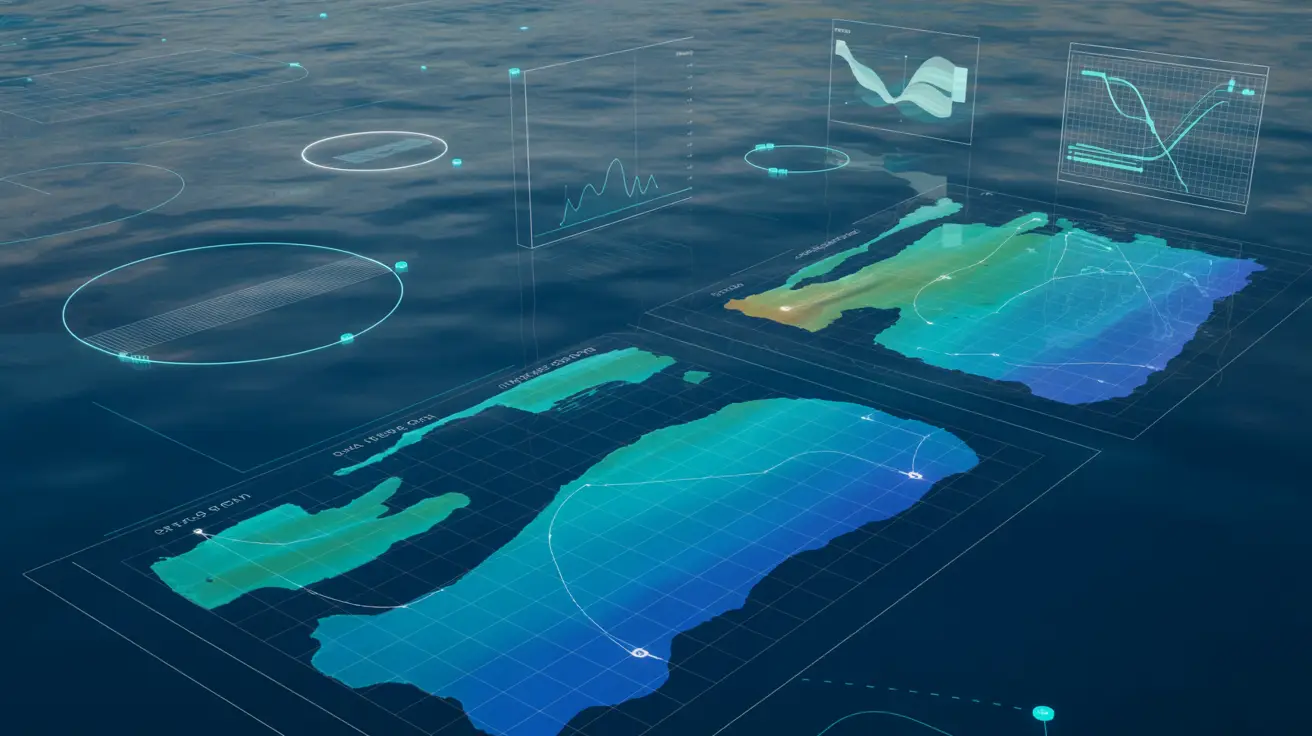
The shift towards data-driven conservation has provided NGOs with the tools to make better-informed decisions. By using technology and innovative data collection methods, NGOs are able to monitor vast ocean spaces and gather invaluable insights about marine ecosystems.
Marine Ecosystem Monitoring and Data Collection
One of the most common methods of data collection is through marine ecosystem monitoring. NGOs collect data from:
- Buoys and sensors in oceans that provide real-time information on water temperature, salinity, and oxygen levels.
- Underwater drones and submersibles used for in-depth research of underwater ecosystems.
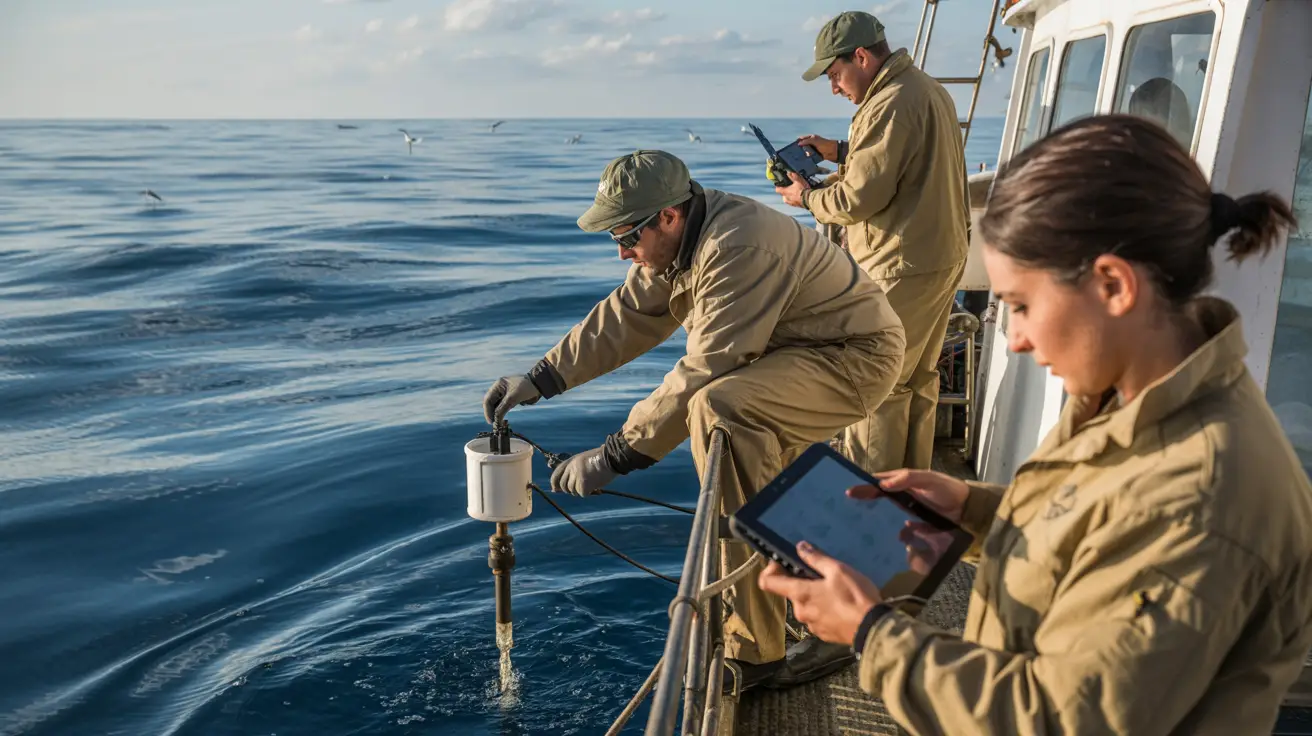
- Ship-based research expeditions that collect biological, physical, and chemical data across large ocean areas.
These efforts help NGOs understand changes in ecosystems and how to best protect them.
Using Satellite and Remote Sensing Technologies
Satellite imagery and remote sensing technologies have revolutionized ocean monitoring. Satellites can track:
- Sea surface temperatures and ocean currents
- Marine pollution like oil spills or plastic debris
- Deforestation of mangroves and other coastal ecosystems
These technologies allow NGOs to monitor the oceans on a global scale, enabling them to track changes and identify regions that need immediate attention.
How NGOs Analyze and Use Ocean Data
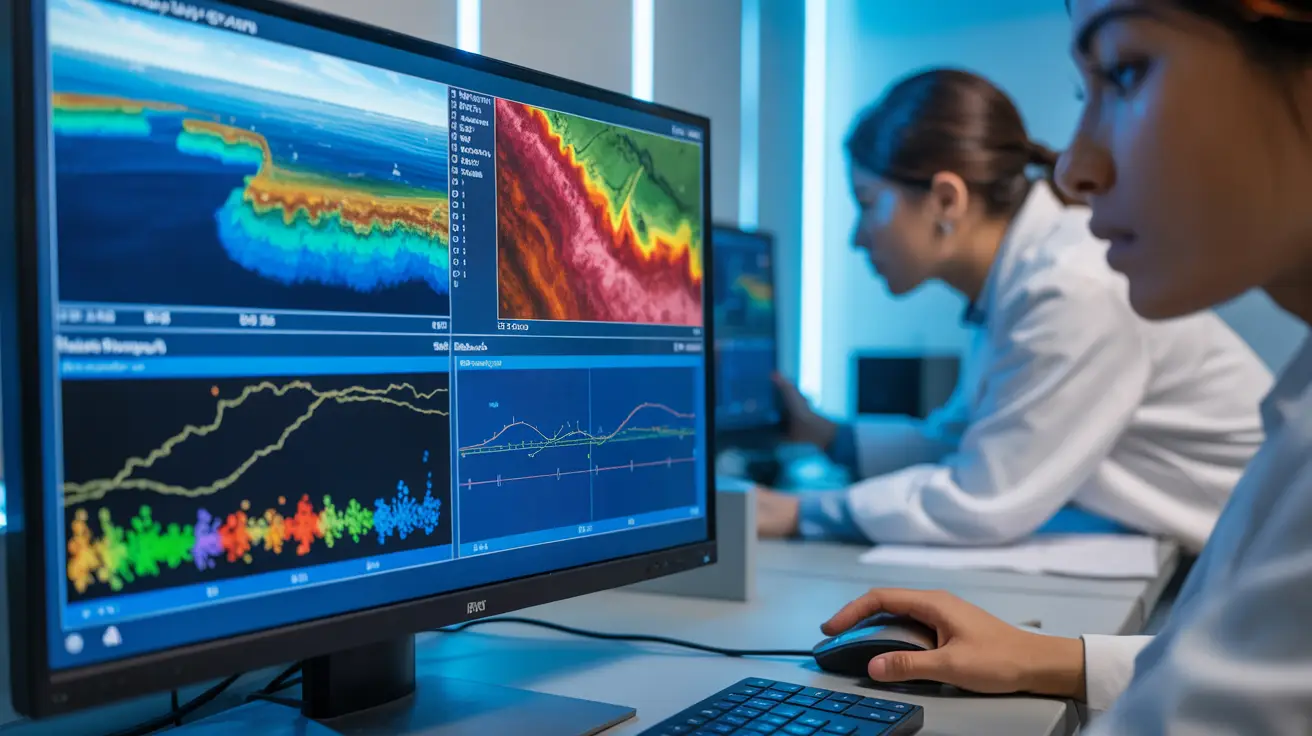
Collecting data is only part of the equation. NGOs also need to analyze this data to make it actionable. Collaborative research, data-sharing initiatives, and the use of advanced analytical tools allow organizations to turn raw data into meaningful insights.
Collaborative Research and Data Sharing Initiatives
Many NGOs work with universities, governments, and other organizations to pool data and research efforts. Collaboration ensures that the data collected is comprehensive and up-to-date. Shared databases also allow organizations to compare findings across regions, which helps identify patterns and trends that may be hidden in individual studies.
Case Studies of Data Use in Ocean Conservation Efforts
Numerous successful conservation efforts have relied on data. For example, the WWF uses data on fish stocks to create sustainable fishing policies and advocate for no-fishing zones. In another case, The Ocean Cleanup Project uses data to map out the most polluted areas in the ocean and focus their efforts on cleaning up plastic debris.
Benefits of Data-Driven Approaches for NGOs
The benefits of using data in ocean conservation go beyond just accuracy. Data-driven conservation helps NGOs allocate resources more efficiently, engage the public, and drive meaningful change.
More Effective Resource Allocation and Management
With data, NGOs can pinpoint areas that need the most attention and allocate resources effectively. For example, data may show that coral reefs in a specific area are at risk of bleaching, prompting an NGO to focus its efforts there.
Increased Public Awareness and Engagement
Accurate data can also engage the public by showing tangible results of conservation efforts. When NGOs present clear data, it is easier for the public to understand the issue and get involved.
Challenges in Using Data for Ocean Conservation

While the use of data in ocean conservation has many advantages, it also comes with challenges.
Data Availability and Quality Issues
One of the biggest challenges NGOs face is the availability and quality of data. In many regions, there is limited data on ocean conditions, particularly in remote areas. NGOs may also struggle with inconsistent data from different sources, making it difficult to compare or draw conclusions.
Overcoming Technological and Financial Barriers
The costs of high-tech equipment like satellites, drones, and underwater sensors can be prohibitive for some NGOs. Despite these challenges, many organizations rely on donations and grants to fund their data collection efforts.
The Future of Data-Driven Ocean Conservation
Looking ahead, the role of data in ocean conservation is expected to grow even more. Emerging technologies and global partnerships will continue to push the boundaries of what is possible.
Emerging Technologies and Tools for Conservation
Advancements in artificial intelligence, machine learning, and remote sensing will help NGOs process vast amounts of data more quickly and accurately. These tools will allow for better predictive models of ocean health and improve the ability to respond to conservation challenges in real-time.
Growing Impact of NGOs in Global Ocean Protection
As NGOs in ocean conservation continue to use data-driven approaches, their impact on global ocean protection will only increase. More accurate data means better decisions, which ultimately leads to healthier oceans.
Conclusion: Strengthening Ocean Conservation with Data
Data is the cornerstone of modern ocean conservation. By using data to monitor ecosystems, inform policies, and engage the public, NGOs are making strides in preserving our oceans for future generations. As technology advances, their ability to leverage data will only improve, driving more impactful and sustainable conservation efforts.
Explore Ocean Data and Conservation Insights 👉 https://oceanography.com/
FAQs
1. How do NGOs use data for ocean conservation?
NGOs use data to monitor ecosystems, influence policy, and implement conservation programs effectively. They collect data on everything from water quality to marine biodiversity.
2. What types of data do NGOs collect for ocean conservation?
They collect biological, physical, and chemical data, including ocean temperature, salinity, and pollution levels.
3. Why is data important for ocean conservation?
Data helps NGOs make informed decisions, advocate for policy changes, and target areas in need of conservation, ensuring resources are used effectively.
4. How does satellite technology assist in ocean conservation?
Satellites provide real-time data on ocean conditions, including sea surface temperatures, currents, and pollution, helping NGOs monitor large areas.
5. Can data help reduce ocean pollution?
Yes, data allows NGOs to track pollution sources and prioritize cleanup efforts, such as in the case of plastic debris in the ocean.
6. What challenges do NGOs face in using ocean data?
Challenges include limited access to data, inconsistent quality, and high costs for advanced monitoring technologies.
7. Can public involvement help in data collection?
Yes, citizen science initiatives allow the public to contribute to data collection, enhancing the scope and scale of ocean monitoring.
8. How can NGOs collaborate to improve data for ocean conservation?
NGOs collaborate with universities, government agencies, and international organizations to pool data and enhance research efforts.
9. How will data-driven approaches improve in the future?
With advancements in AI, machine learning, and remote sensing, data collection and analysis will become faster, more accurate, and more accessible.
10. What impact do NGOs have on global ocean protection?
NGOs are crucial in advocating for policy change, implementing conservation efforts, and educating the public about the importance of ocean preservation.
