
18Dec
Top Oceanography Teaching Resources for Educators
Introduction: Why Oceanography Education Matters
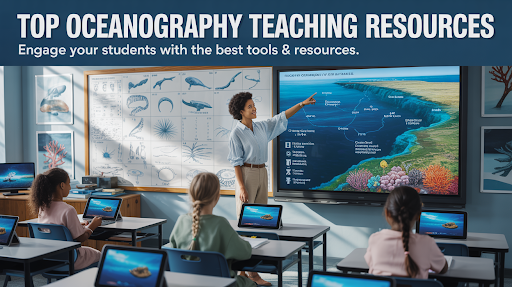
Oceanography is one of the most fascinating and essential subjects to teach in today’s world. The ocean is not only a vast and mysterious realm, but it also plays a crucial role in regulating global climate patterns, supporting marine ecosystems, and providing resources for human survival. As an oceanography educator, you have the unique opportunity to spark curiosity and environmental awareness in your students. However, teaching this expansive subject can be challenging without the right resources. In this guide, I’ll walk you through some of the best teaching resources for oceanography that can help make your lessons both engaging and educational.
The Importance of Ocean Science in the Classroom
Oceanography is more than just a science subject; it's a lens through which students can explore the world's biggest challenges, like climate change, ocean pollution, and biodiversity loss. By teaching oceanography, you're not only sharing scientific knowledge but also fostering an appreciation for the environment and inspiring future generations of scientists, conservationists, and policymakers.
Understanding the ocean’s influence on weather patterns, food chains, and human activities is essential in creating informed global citizens. It’s through effective teaching resources that we can bring the mysteries of the ocean to life and ensure that students are prepared to tackle these pressing challenges.
Key Takeaways
- Oceanography is a critical subject that helps students understand environmental issues and scientific concepts.
- The right teaching resources can make learning about the ocean more engaging, effective, and accessible.
- From lesson plans to interactive tools, there are a wide variety of resources that can enhance oceanography education.
Key Oceanography Teaching Resources for Educators
Whether you are teaching high school students, college students, or even younger learners, having the right teaching materials can make a huge difference. Here are some of the best resources available for oceanography educators.
Oceanography Lesson Plans: Structuring Your Curriculum
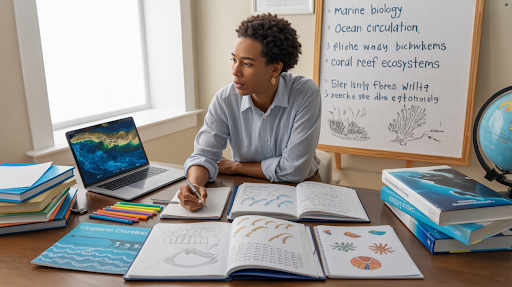
When it comes to organizing a curriculum for oceanography, a structured lesson plan is essential. Lesson plans help guide your teaching while also providing a clear roadmap for your students. The right plan can bring structure to your oceanography class and ensure you're covering key topics like marine biology, ocean currents, salinity, and ocean ecosystems.
Free Online Lesson Plans for Oceanography
Many websites offer free, downloadable lesson plans to help you get started. These resources are ideal for educators who want a quick and reliable way to plan their oceanography curriculum.
- Websites like Teachers Pay Teachers and National Geographic Education offer free oceanography lesson plans designed to engage students in understanding the ocean’s processes.
- NOAA’s Ocean Literacy Principles also provides free resources that align with key concepts in ocean science, helping you craft lessons that are both informative and exciting.
Interactive Lesson Plans for Marine Biology
Interactive lessons are a great way to keep students engaged. By using videos, interactive simulations, and hands-on projects, students can explore topics like marine biology, ocean ecosystems, and conservation in a more immersive way.
- Websites like Explore.org and Discovery Education offer interactive marine biology activities that are perfect for oceanography educators looking to enhance their lessons.
Oceanography Textbooks and Reading Materials
Textbooks are a staple in any educator’s toolkit. They provide in-depth explanations of oceanography topics and can serve as a reliable reference throughout the semester.
Must-Have Oceanography Textbooks for Educators
Here are a few textbooks that should be part of any oceanography educator’s library:
- "Introduction to Oceanography" by Tom Garrison is an excellent introductory textbook for students, covering all the basics of physical, chemical, and biological oceanography.
- "Essentials of Oceanography" by Harold V. Thurman is another must-have book for educators, offering a more detailed and advanced look at ocean science.
Online Oceanography Articles and Journals
Staying current with oceanographic research is essential for educators. Many online journals and articles can help you keep your lessons up to date with the latest scientific discoveries.
- Science Direct and Oceanography Society provide access to articles, journals, and research papers that you can use to support your lessons.
Interactive Activities for Oceanography Classes
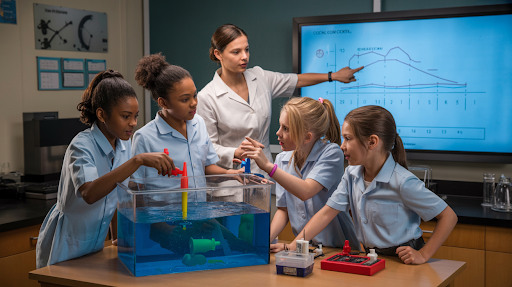
One of the best ways to teach oceanography is through hands-on activities that allow students to interact with real-world data and oceanic concepts. These activities can help solidify complex ideas and make learning more enjoyable.
Hands-On Oceanography Experiments and Projects
- DIY Ocean Currents Model: Create a simple model of ocean currents using water, food coloring, and different temperatures to show how ocean currents move.
- Water Quality Testing: Have students collect water samples from local bodies of water and test for factors like salinity, temperature, and pollutants.
- Coral Reef Simulation: Use simulations to show how coral reefs function as ecosystems and what threatens their survival.
Virtual Ocean Exploration Tools for Students
With advancements in technology, it’s now possible to take students on virtual ocean explorations. Tools like Google Earth and National Geographic Kids allow students to dive into marine environments from the comfort of the classroom.
- Ocean Explorer by NOAA provides virtual tours of the deep ocean and allows students to explore marine life and ocean features interactively.
Oceanography Visual Aids: Enhancing Classroom Learning
Visual aids are essential when teaching abstract concepts in oceanography. Diagrams, maps, and charts help students better understand how the ocean functions and how various processes are interconnected.
Ocean Maps, Diagrams, and Charts for Teaching
- Large-scale world ocean maps are invaluable for teaching students about ocean currents, tectonic plates, and marine biodiversity. They can be displayed in the classroom or used in student activities.
- Oceanography charts detailing the marine food chain or water temperature variations can help students grasp the vastness and complexity of ocean ecosystems.
Digital Tools for Oceanography Data Visualization
Interactive digital tools, such as Tableau and ArcGIS for oceanography, allow students to visualize real-time ocean data and understand the patterns of ocean circulation, temperature, and other vital metrics. Using these tools in the classroom can make abstract concepts feel more concrete.
Online Platforms and Tools for Teaching Oceanography
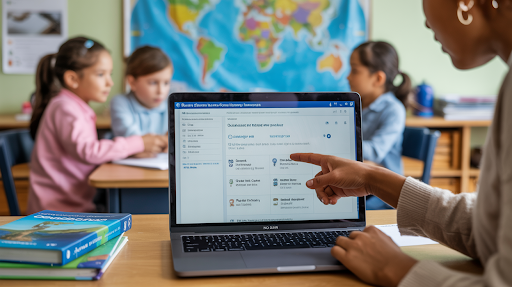
In today’s digital age, there’s an abundance of online platforms that make it easier for educators to teach oceanography in innovative ways.
Best Websites for Oceanography Resources
- National Oceanic and Atmospheric Administration (NOAA): NOAA’s website offers a wealth of oceanography resources, including lesson plans, videos, data, and much more.
- Ocean Literacy: Ocean Literacy’s website provides access to principles and content guidelines that align with current science standards and practices.
Online Platforms for Marine Science Courses
Platforms like Coursera, EdX, and Khan Academy offer a range of free and paid courses in oceanography and marine science. These platforms are ideal for self-paced learning, as well as for offering students a broader perspective on marine science.
Free and Paid Oceanography Learning Platforms
- Coursera offers courses like “Introduction to Oceanography”, perfect for introducing students to marine sciences.
- Marine Science Online provides a wide range of educational materials and online courses for oceanography students at various levels.
Oceanography Teaching Apps for Smartphones and Tablets
There are also many mobile apps available that can help make learning oceanography more fun and interactive for students.
- EarthViewer allows students to visualize the Earth's geological and oceanic history, providing context to the evolution of oceans.
- Marine Debris Tracker is an app that lets students participate in tracking ocean pollution, offering a hands-on approach to understanding environmental issues.
Collaboration and Networking Opportunities for Educators
Collaboration is key to expanding your knowledge as an oceanography educator. There are many opportunities for networking and sharing resources with other educators around the world.
Joining Oceanography Educator Networks and Forums
Online forums and educator networks such as Teachers of Oceanography or Marine Educators’ Alliance provide a platform for educators to share resources, lesson plans, and teaching strategies.
Attending Oceanography Conferences and Webinars
Attending oceanography conferences and webinars is an excellent way to stay up-to-date with the latest research and trends in ocean science education. Some events, like the International Oceanographic Congress, offer professional development opportunities and networking with leading oceanographers and educators.
How to Integrate Technology into Oceanography Teaching
Technology plays a crucial role in modern education. By integrating new technologies into your oceanography lessons, you can make learning more dynamic and engaging for your students.
Using Virtual Reality for Ocean Exploration
Virtual reality (VR) is an incredible tool for immersing students in underwater environments. With VR headsets, students can dive into the ocean and explore marine ecosystems, shipwrecks, and coral reefs as though they were actually there.
Teaching Oceanography with Augmented Reality (AR) Tools
AR apps can overlay oceanographic data and interactive elements onto the real world. Students can use their smartphones or tablets to interact with 3D models of ocean currents, marine ecosystems, and more, providing an interactive learning experience that helps them understand the material in a more tangible way.
Conclusion: Empowering Educators with Oceanography Resources
By utilizing the wide variety of teaching resources available, oceanography educators can inspire a new generation of students to explore the mysteries of the ocean. Whether you’re using interactive activities, oceanography textbooks, or digital tools for data visualization, these resources can help bring your lessons to life and foster a deeper understanding of the ocean’s role in our world.
Essential Insights for Oceanography Educators
- There are numerous resources available, from lesson plans to interactive tools, that can enhance oceanography education.
- Visual aids, hands-on activities, and digital platforms can help engage students and make complex topics more accessible.
- By leveraging technology and collaboration, educators can stay current with new teaching strategies and oceanography research.
Explore More Oceanography Resources Now Access Oceanographic Data and Lessons at Oceanography.com
Frequently Asked Questions (FAQs)
1. What are the best oceanography lesson plans?
Some of the best oceanography lesson plans come from resources like NOAA and National Geographic Education, which offer free downloadable plans.
2. How can I make oceanography more interactive in the classroom?
Using hands-on experiments, virtual ocean exploration tools, and interactive apps can significantly increase student engagement.
3. Where can I find oceanography textbooks for educators?
Books like Introduction to Oceanography by Tom Garrison and Essentials of Oceanography by Harold V. Thurman are great choices for educators.
4. What are some free oceanography resources?
Websites like Ocean Literacy and National Geographic offer free resources like lesson plans, articles, and videos for educators.
5. How can I incorporate technology into my oceanography lessons?
Consider using virtual reality, augmented reality tools, or interactive data visualization platforms to create an immersive learning experience.
6. Are there any online courses for oceanography teachers?
Yes, platforms like Coursera and EdX offer online oceanography courses that are suitable for both students and educators.
7. What are the benefits of using visual aids in teaching oceanography?
Visual aids, like ocean maps and charts, help students visualize complex ocean processes and make abstract concepts more tangible.
8. Can I use apps for teaching oceanography?
Yes, apps like EarthViewer and Marine Debris Tracker provide interactive tools for teaching oceanography and marine conservation.
9. What are the best websites for oceanography resources?
NOAA, National Geographic, and Ocean Literacy offer comprehensive resources for oceanography educators.
10. Are there oceanography-themed games for students?
Yes, there are interactive games that simulate ocean currents, marine biology, and ocean ecosystems that can make learning fun.
