
16Dec
Beginner’s Guide to Studying Oceanography: Key Concepts
Introduction: What Is Oceanography and Why Study It?
Oceanography is the study of the ocean and its various phenomena, including the physical, chemical, biological, and geological aspects of the marine environment. The ocean covers over 70% of the Earth's surface, making it an essential part of our planet’s climate, ecosystems, and the global economy. Oceanography enables us to understand the intricate workings of the ocean and its impact on weather patterns, marine life, and even human activities.
Understanding the Importance of Oceanography
Why should you study oceanography? Well, the oceans regulate weather, support diverse ecosystems, provide resources like seafood and minerals, and even help control the planet’s carbon balance. Oceanographers work to unravel these mysteries, contributing to our understanding of everything from climate change to marine conservation. Understanding the ocean is critical not only for preserving our planet but also for future generations.
Key Takeaways
- Oceanography is a broad field that examines the ocean’s physical, chemical, biological, and geological processes.
- The ocean plays a crucial role in regulating weather, supporting ecosystems, and contributing to human industries.
- Studying oceanography provides essential insights into global challenges like climate change, pollution, and marine conservation.
Key Concepts in Oceanography
Oceanography covers several key concepts that are essential for understanding the ocean’s dynamic systems. Whether you’re a beginner or an advanced student, grasping these concepts will lay the foundation for a deeper understanding of marine science.
Ocean Currents: How They Shape Our Climate

Ocean currents are massive flows of seawater that move continuously through the world’s oceans. These currents play a vital role in regulating Earth’s climate by redistributing heat from the equator toward the poles. The movement of ocean currents influences weather patterns, sea temperatures, and even the global carbon cycle. The Atlantic Meridional Overturning Circulation (AMOC), for instance, helps maintain a stable climate in Europe.
- Currents also impact the nutrient distribution in the oceans, which in turn affects the marine food chain.
The Role of Ocean Temperature and Salinity
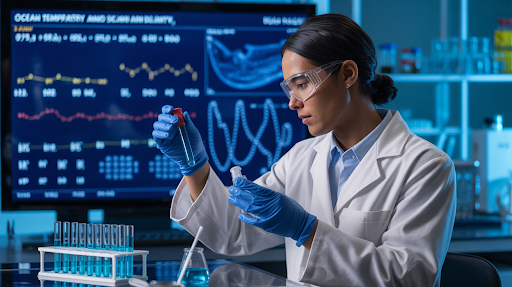
Ocean temperature and salinity are two of the most critical factors influencing ocean circulation. They directly affect the density of seawater, which drives the movement of water masses around the world. Variations in temperature and salinity can lead to changes in sea level and climate patterns.
Effects of Ocean Temperature on Weather Patterns
Ocean temperature directly influences weather patterns by affecting the water cycle. For example, warmer ocean waters can lead to more evaporation, which can cause hurricanes and other intense weather events. The El Niño and La Niña phenomena, both of which are linked to changes in ocean temperature, have profound global impacts on weather, from droughts to floods.
The Importance of Salinity in Ocean Circulation
Salinity impacts the density of seawater, and changes in salinity can cause the ocean’s currents to shift. For instance, fresh water from melting ice caps reduces salinity, altering the normal flow of ocean currents. Understanding salinity is key to predicting and analyzing global sea level rise and climate change.
Marine Biology: Understanding Ocean Life
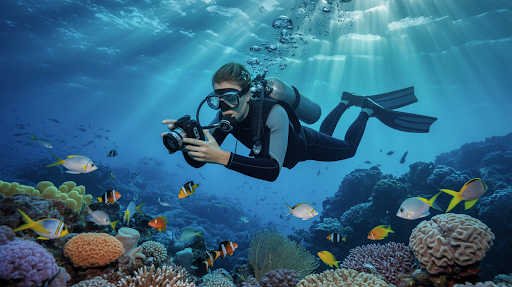
Ocean life is as diverse as it is fascinating, ranging from microscopic plankton to the massive blue whale. The study of marine biology helps us understand how organisms interact with their environment and with one another. Understanding marine biology is essential for conservation efforts, as well as for managing fisheries and ocean health.
Ocean Ecosystems: The Balance of Marine Life
Marine ecosystems are intricate and delicately balanced. Coral reefs, deep-sea habitats, and coastal wetlands each provide essential services, such as habitat for fish, protection for shorelines, and carbon storage.
Coral Reefs and Their Importance to the Ocean
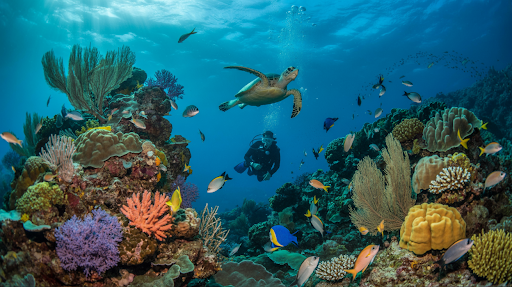
Coral reefs are often referred to as the "rainforests of the sea" because of their biodiversity. These ecosystems provide food, shelter, and breeding grounds for countless marine species. The health of coral reefs is vital for maintaining marine biodiversity and supporting the fishing industry. However, coral reefs are under threat from climate change, pollution, and overfishing.
Deep-Sea Ecosystems and Their Uniqueness
Deep-sea ecosystems, far below the ocean’s surface, are some of the least understood but most unique environments on Earth. They host a variety of organisms adapted to extreme conditions like high pressure and complete darkness. The exploration of deep-sea ecosystems could provide new insights into marine biology and even lead to discoveries of novel species and compounds.
How to Study Oceanography: A Beginner’s Approach
If you’re interested in studying oceanography, there are plenty of ways to start. Whether you’re pursuing it as a hobby or as a potential career, the first steps are all about finding the right tools, resources, and educational materials.
Basic Tools for Studying Oceanography
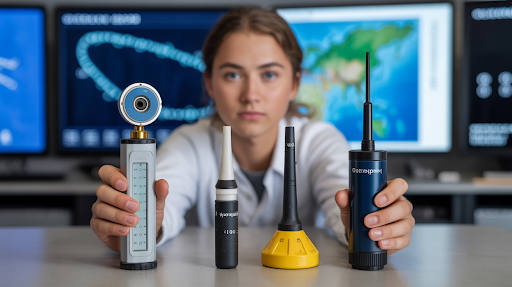
As a beginner, you won’t need a high-tech oceanographic vessel or a submarine, but having access to essential tools will help you get started. Here are some basics:
- Oceanography textbooks that explain the core concepts.
- Field equipment, such as water temperature sensors, salinity meters, and data loggers, for hands-on learning.
- Online databases like NOAA’s ocean data portal for accessing real-time ocean data.
Recommended Books and Online Resources
When it comes to studying oceanography, starting with books and online resources is a great way to build a solid foundation.
Top Textbooks for Oceanography Students
Some of the most popular textbooks include Introduction to Oceanography by Tom Garrison and Essentials of Oceanography by Harold V. Thurman. These books provide detailed explanations of oceanography concepts, such as marine geology, ocean currents, and marine ecosystems.
Online Platforms and Courses to Kickstart Your Learning
Online courses and platforms can be a great way to deepen your understanding of oceanography. Websites like Coursera and EdX offer courses from institutions like Stanford and MIT, where you can learn at your own pace. Some courses are free, while others offer certifications upon completion.
Essential Oceanography Software and Data Tools
For more advanced learning, oceanography software can help you analyze and interpret ocean data. Software like MATLAB or ArcGIS can be used to visualize data, simulate ocean currents, and model the impacts of climate change. Familiarizing yourself with these tools can open up career opportunities in marine geology and marine conservation.
The Role of Oceanography in Environmental Science
Oceanography plays an integral role in addressing global environmental challenges, especially those related to climate change and conservation.
Studying Climate Change Through Oceanography
The oceans act as the Earth’s heat sink, absorbing much of the excess heat generated by greenhouse gases. Understanding how the oceans are absorbing this heat helps scientists predict future climate patterns and sea-level rise. Oceanographers study these changes in ocean temperature and salinity to forecast long-term environmental shifts.
Oceanography and Conservation Efforts
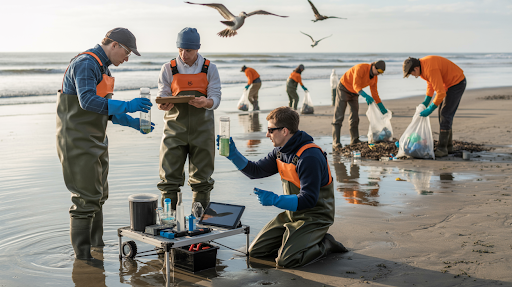
Marine conservation efforts depend heavily on oceanographic data. From understanding the health of coral reefs to tracking the migration patterns of endangered species, oceanographers provide critical insights that help shape conservation policies and management strategies.
Career Opportunities in Oceanography
Oceanography offers a variety of career paths, whether you’re interested in academic research, environmental conservation, or marine engineering.
Academic and Research Careers
For those with a deep interest in the scientific aspects of the ocean, pursuing an advanced degree in oceanography can lead to a career in research or teaching. Many oceanographers work for universities, government agencies, or research institutions, studying everything from marine geology to ocean ecosystems.
Jobs in Marine Conservation and Environmental Agencies
Marine conservationists work with non-profit organizations, governmental bodies, and environmental agencies to protect marine life and ecosystems. A background in oceanography, especially in marine biology or environmental oceanography, is essential for these roles.
Conclusion: Starting Your Oceanography Journey
Studying oceanography is a rewarding and intellectually stimulating path. Whether you are interested in the science of the ocean, its ecosystems, or its role in global climate regulation, there are numerous resources and opportunities available to you. Start with a solid foundation, explore new concepts, and stay curious the ocean is vast, and there is always more to learn.
Explore More Ocean Data for Climate Research Access Oceanographic Data Now
Frequently Asked Questions (FAQs)
1. What is oceanography?
Oceanography is the scientific study of the ocean, including its physical, chemical, biological, and geological components.
2. Do I need a degree to study oceanography?
While a formal degree helps, you can start studying oceanography through online resources and self-study.
3. What are the key concepts in oceanography?
Important concepts include ocean currents, marine biology, ocean temperature, salinity, and ocean ecosystems.
4. What is the role of oceanography in climate change?
Oceanography helps scientists understand how the oceans absorb heat from global warming, which impacts weather patterns and sea levels.
5. Where can I find oceanography resources?
You can access resources through online platforms, textbooks, and real-time ocean data portals like NOAA and Oceanography.com.
6. What are marine ecosystems?
Marine ecosystems include environments like coral reefs, deep-sea habitats, and coastal regions that support marine life.
7. How does ocean temperature affect the climate?
Warmer ocean waters contribute to changes in weather patterns, including more intense storms and altered rainfall patterns.
8. Can I study oceanography as a hobby?
Yes, many people start studying oceanography through free online courses and resources to deepen their understanding of the ocean.
9. What software do oceanographers use?
Oceanographers often use MATLAB, ArcGIS, and other data visualization tools to analyze and model ocean data.
10. What jobs are available in oceanography?
Careers include research positions, marine biology roles, and jobs in environmental agencies and conservation efforts.
