
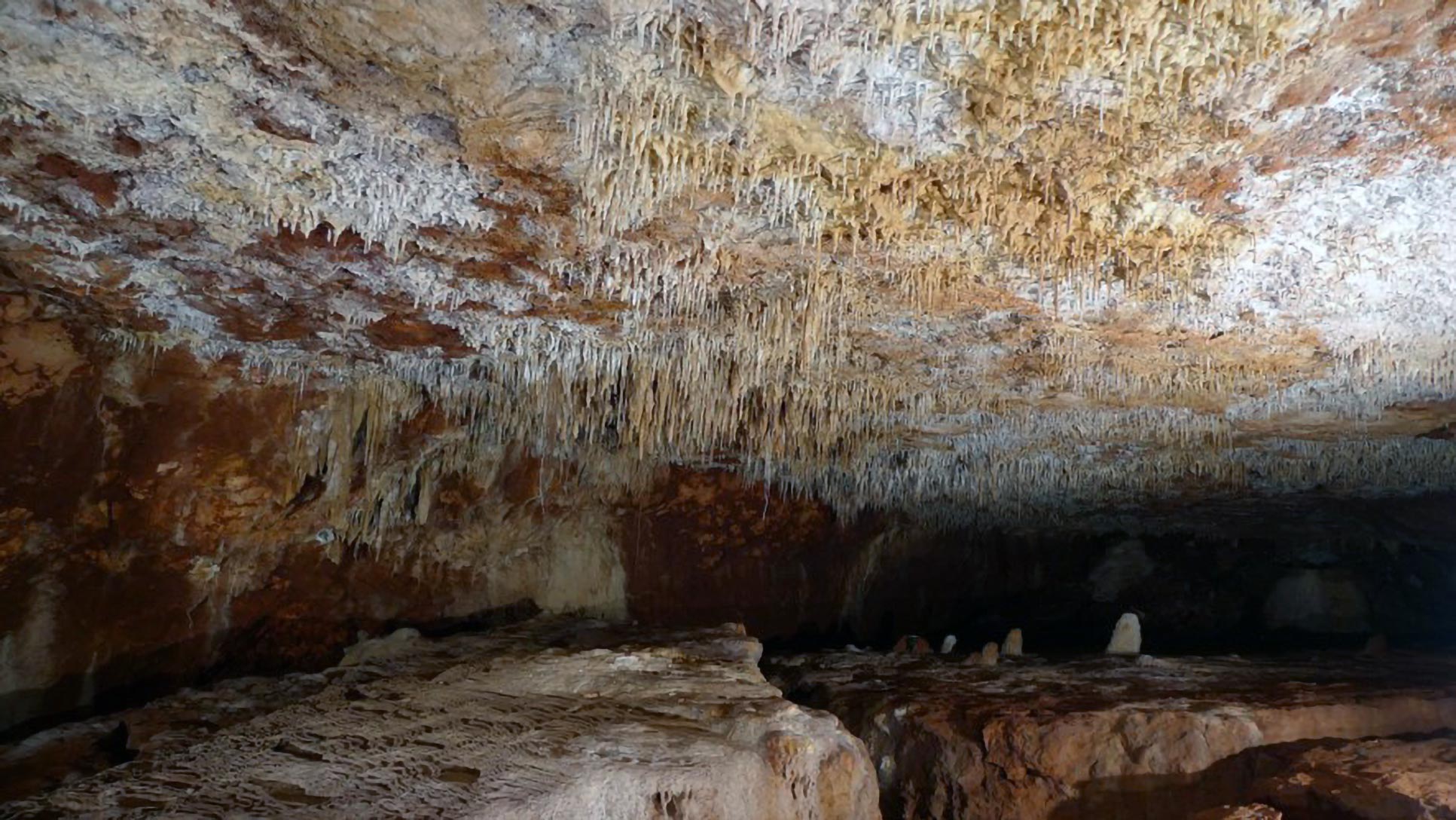
Research reveals new links behind climate change in Australia
Woods Hole Oceanographic Institution
Published: 11 January 2023
Scientists linked monsoon rains and tropical cyclone activity in Australia over 1,500 years using stalagmites and climate models, showing both are influenced by the ITCZ’s position—offering insight into future climate impacts and rainfall patterns.
Keywords: ITCZ, monsoon rainfall, tropical cyclones, Australia climate, stalagmites, climate modeling, Woods Hole Oceanographic Institution
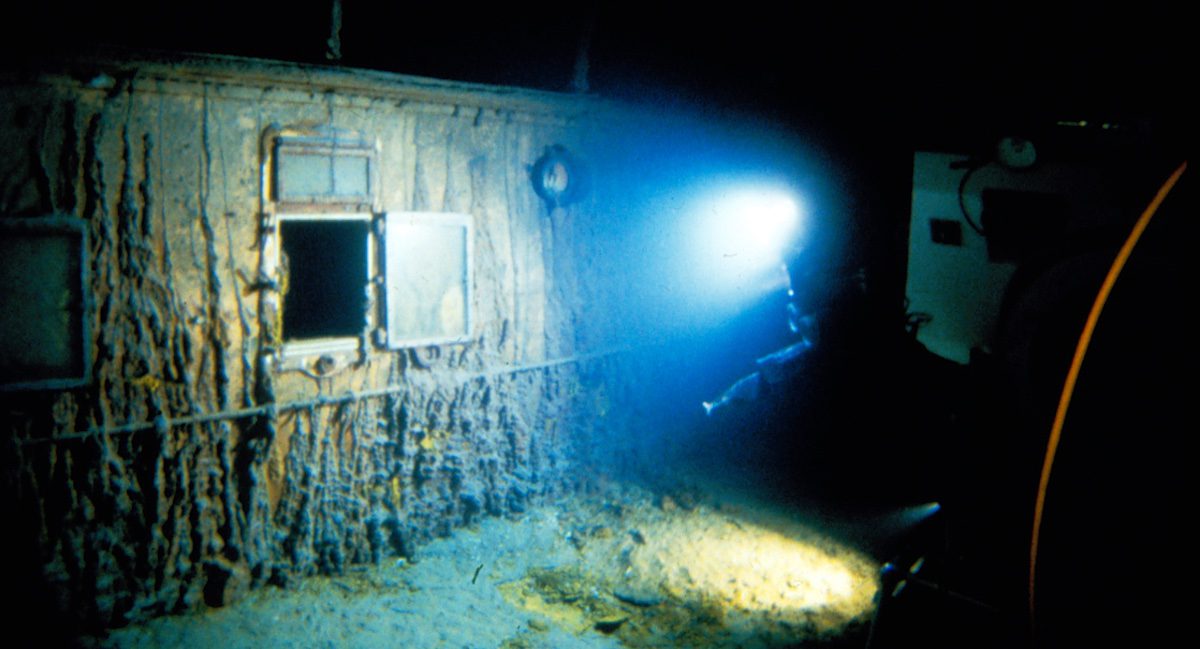
Woods Hole Oceanographic Institution releases rare video footage from the first submersible dives to RMS Titanic
Woods Hole Oceanographic Institution
Published: 15 February 2023
WHOI has released rare 1986 footage from Alvin and Jason Jr.’s expedition to the Titanic wreck, marking the first human visit since 1912. The release coincides with the film Titanic’s 25th anniversary and highlights advances in deep-sea exploration.
Keywords: Titanic, Alvin, Jason Jr., WHOI, Robert Ballard, deep-sea exploration, 1986 expedition, underwater footage, submersible, ROV
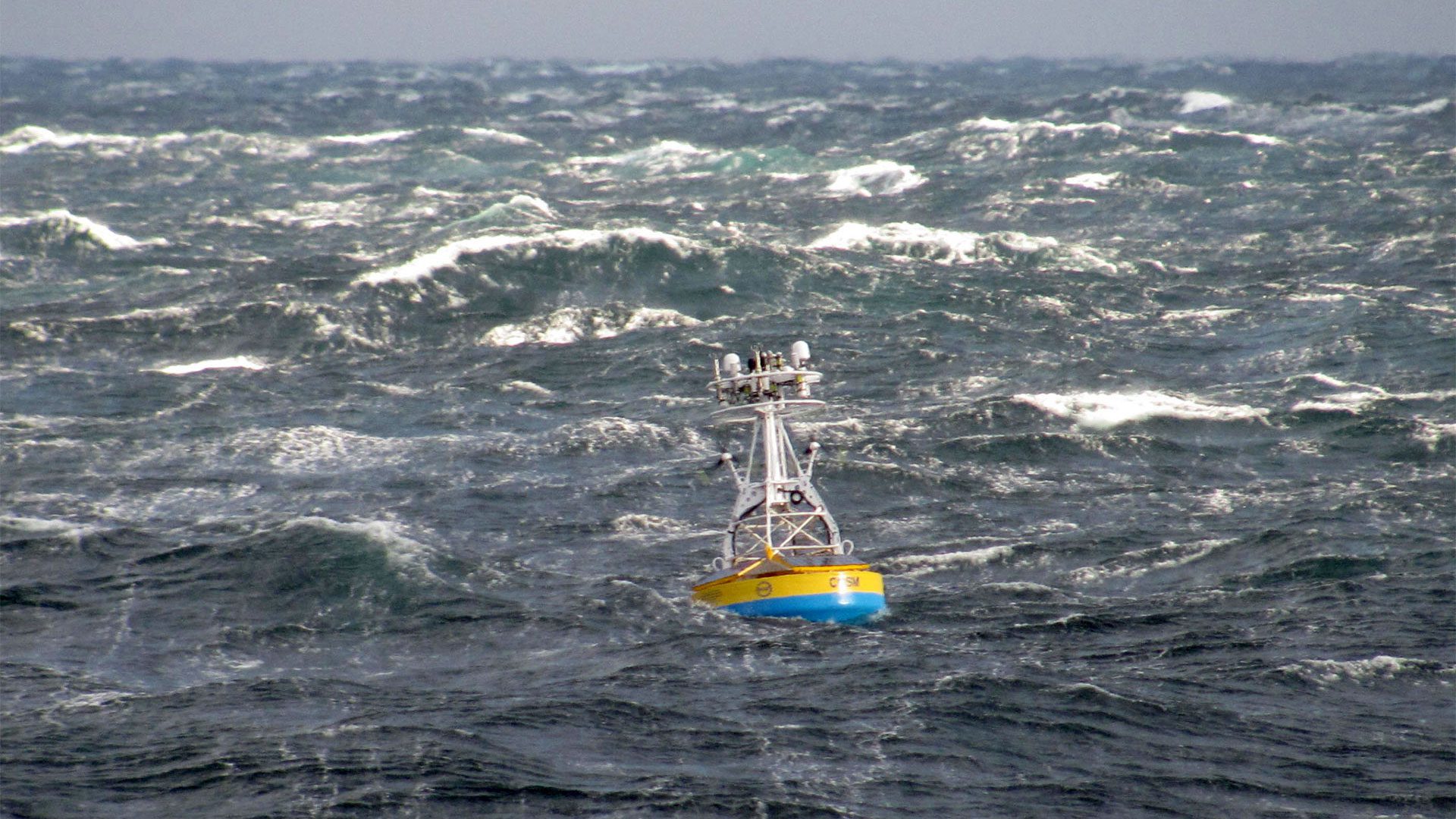
Ocean Observatories Initiative‘s Pioneer Array Relocating to Southern Mid-Atlantic Bight
Woods Hole Oceanographic Institution
Published: 21 February 2023
WHOI has begun test deployments for relocating the Ocean Observatories Initiative’s Pioneer Array to the Mid-Atlantic Bight, offering new research opportunities and real-time ocean data access starting in 2024.
Keywords: Pioneer Array, WHOI, Mid-Atlantic Bight, ocean data, coastal monitoring, NSF, ocean observing system
